

The character 跤 (jiāo) is fascinating because it’s a relatively modern character, and its creation is tied to the evolution of the Chinese language and the need to represent new concepts.
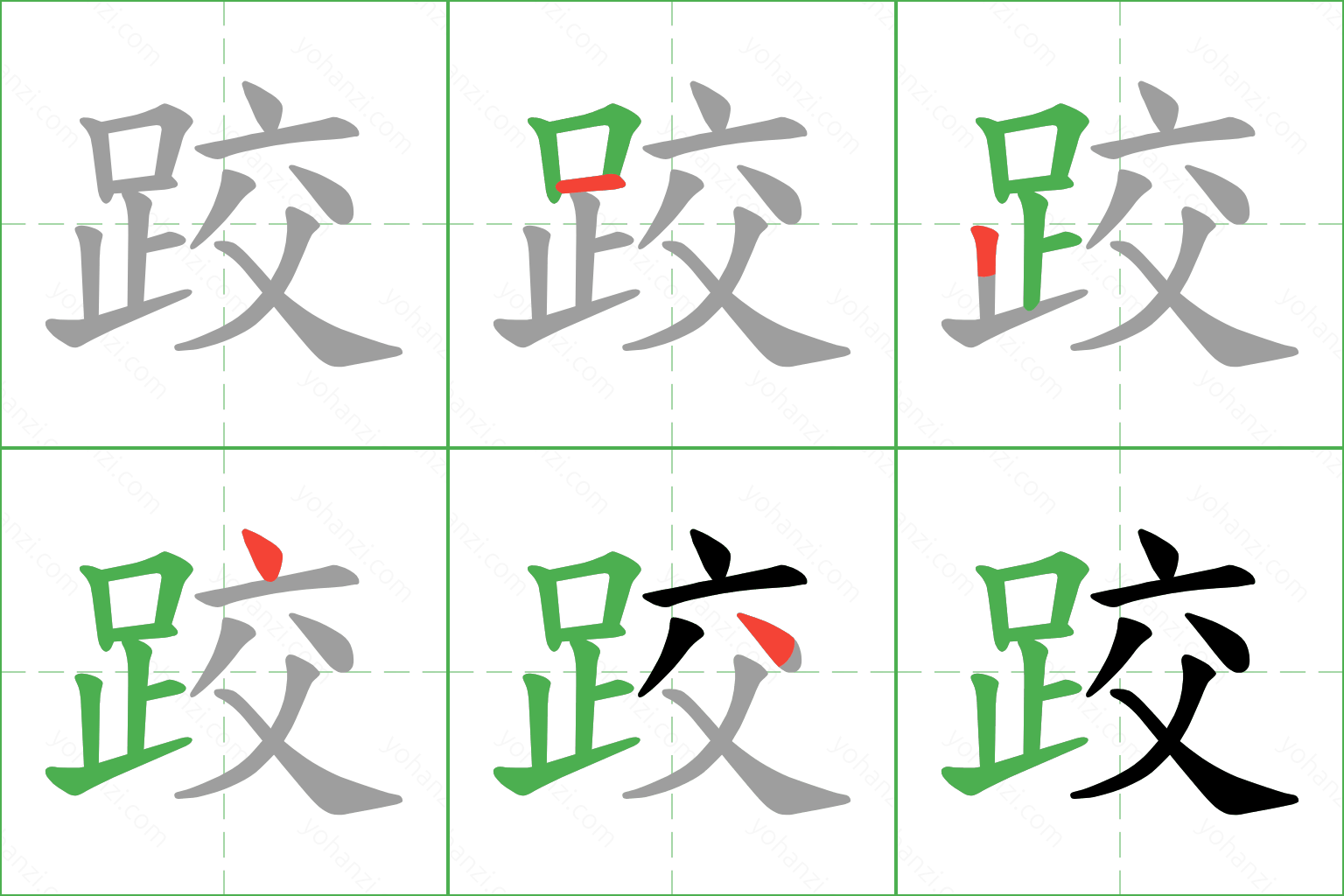
Here’s a breakdown of its components and likely origin:
- 足 (zú): This radical clearly represents a foot. This makes sense given that 跤 relates to actions involving the feet.
- 交 (jiāo): This component has a complex origin, but its early forms depicted a person with crossed legs or intertwined elements. It carries meanings like “to mix,” “to intersect,” or “to exchange.”

Putting it together, 跤 likely originated by combining these elements to represent:
- Entangled feet: The “foot” radical combined with “交,” representing intertwined elements, could depict feet becoming entangled or tripped. This aligns with 跤 often referring to wrestling, tripping, or stumbling.
- A place where paths cross: “交” can also mean a crossroads or intersection. 跤 might have initially referred to a place where people’s paths crossed, leading to potential collisions or falls.
It’s important to note that 跤 is not an ancient character found in oracle bone script or early bronze inscriptions. It emerged later, likely sometime during the medieval or pre-modern period, as the need arose for a specific term to describe wrestling and related actions.
Therefore, while we can analyze its structure, pinpointing the exact original meaning and the precise moment of its creation is challenging.
To delve deeper, you could explore:
- 《汉语大字典》(Hanyu Da Zidian): This comprehensive dictionary often includes information on the evolution and first appearances of characters.
- Specialized dictionaries on Chinese etymology: These resources might provide more specific insights into the creation of relatively modern characters like 跤.


