

流血 (liúxuè), meaning “to bleed,” is a vivid word that combines two characters to create a powerful image. Let’s explore the original meanings of their structures:
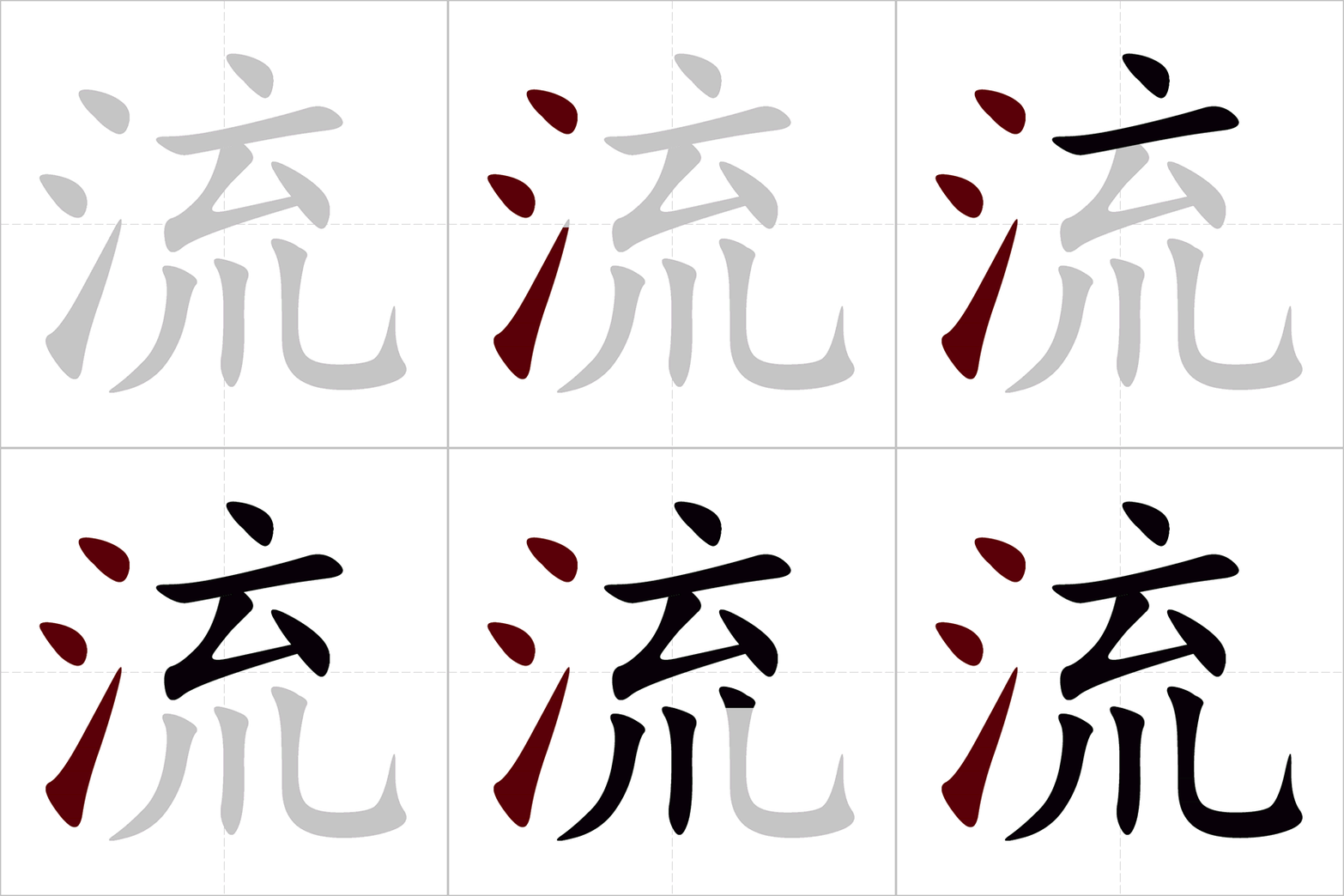

流 (liú):
- Early form: Depicted water flowing or moving.
- Original meaning: To flow, to circulate, to drift, to spread.
- Evolution: The visual of water in motion extended to represent any kind of flowing movement, whether liquid, time, or even emotions.

血 (xuè):
- Early form: Showed a vessel or container filled with drops of blood.
- Original meaning: Blood.
- Evolution: The image clearly represented the life-giving fluid, often associated with injury, sacrifice, and kinship.
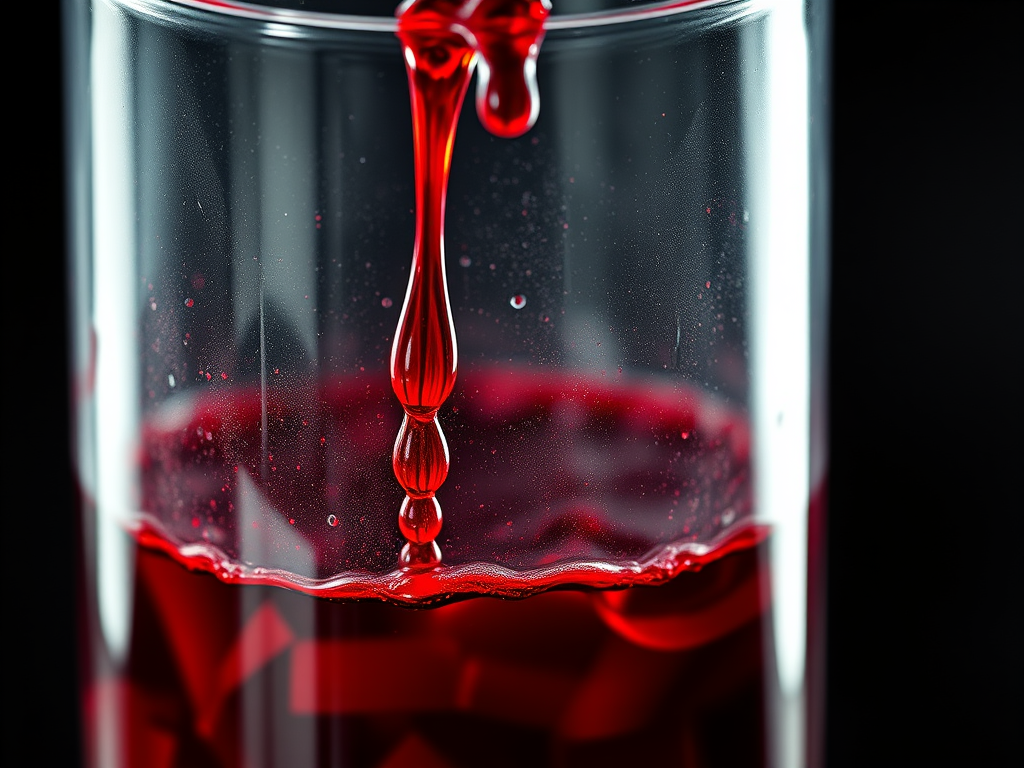
Combining these, 流血 (liúxuè) paints a picture of:
- Blood flowing out: The “flow” (流) combined with “blood” (血) creates a direct and visceral image of blood moving out of the body, often due to an injury.
This combination effectively captures the essence of bleeding, emphasizing the movement and loss of blood.
Interestingly, the character 血 (xuè) itself has a fascinating origin. Some scholars suggest the vessel in its early form might represent a sacrificial vessel, connecting blood to ancient rituals and offerings.
To explore further, you could consult:
- 《說文解字》(Shuowen Jiezi): This ancient dictionary provides explanations of character structures and their original meanings.
- Medical texts and historical records: These resources could offer insights into how bleeding and wounds were perceived and treated in ancient China, and how the word 流血 was used in those contexts.


