

Unfortunately, the exact original meaning of the writing structure of the Chinese character 摔 (shuāi) is not entirely clear. Ancient scripts and their evolution can be complex!
However, we can break down the character and look at its components to try and understand its possible origins:
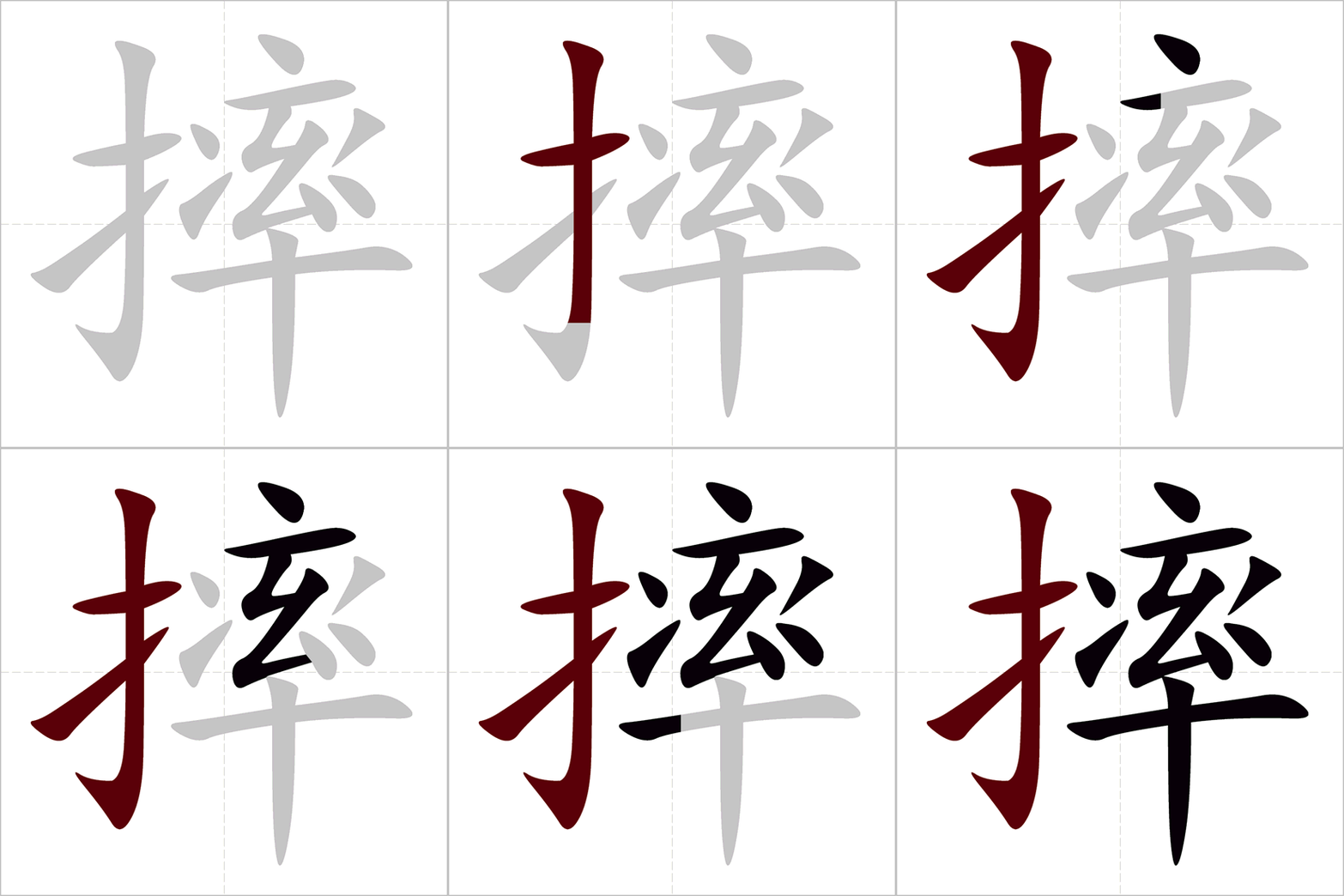
- 扌 (shǒu): This radical indicates the character is related to the hand or an action performed with the hand. This makes sense as 摔 often involves a physical action resulting in something being thrown or falling.
- 率 (shuài/lǜ): This component is more complex and its original meaning is debated. Some suggest it depicted a hand holding reins, implying leading or guiding. Others propose it was related to a rope or net, possibly hinting at something being pulled or thrown.
It’s possible the original meaning of 摔 combined these elements to represent an action like:
- Throwing something with the hand: The hand radical combined with 率, if related to pulling or throwing, could depict the act of forcefully throwing an object.
- Losing control: If 率 was related to reins or leading, 摔 might have conveyed the idea of losing control or letting go, resulting in a fall.
Over time, the character evolved and its meaning settled as “to fall,” “to throw,” or “to break by dropping.”
While we can’t be certain of the exact original meaning, analyzing the components provides clues and a glimpse into the potential evolution of this character.
To find more detailed information, you could explore resources like:
- Written Chinese Dictionary: This resource often provides detailed information on character evolution and etymology.
- Chinese Etymology (汉字字源): This website delves into the origins and historical development of Chinese characters.


