

客厅 (kètīng) means “living room” in modern Chinese. It’s a compound word made up of two characters, each with its own history:
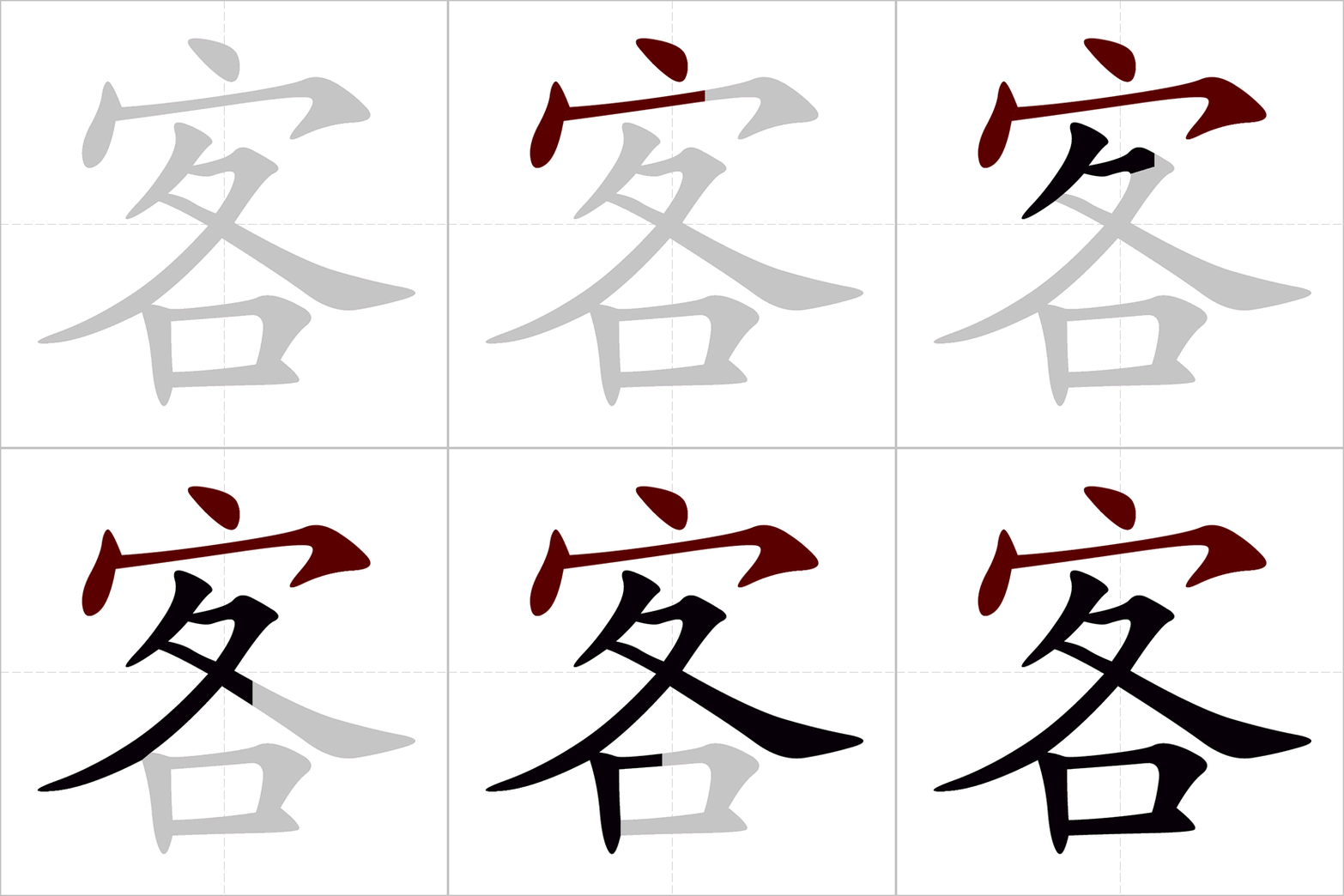
客 (kè):
- Original form: The earliest forms of 客 depicted a person (亻, rén) under a roof (宀, miān). This suggests a visitor or guest staying at someone’s house.
- Evolution of meaning: The original meaning of 客 was indeed “guest” or “visitor.” It later expanded to include meanings like “stranger,” “customer,” and “objective.”

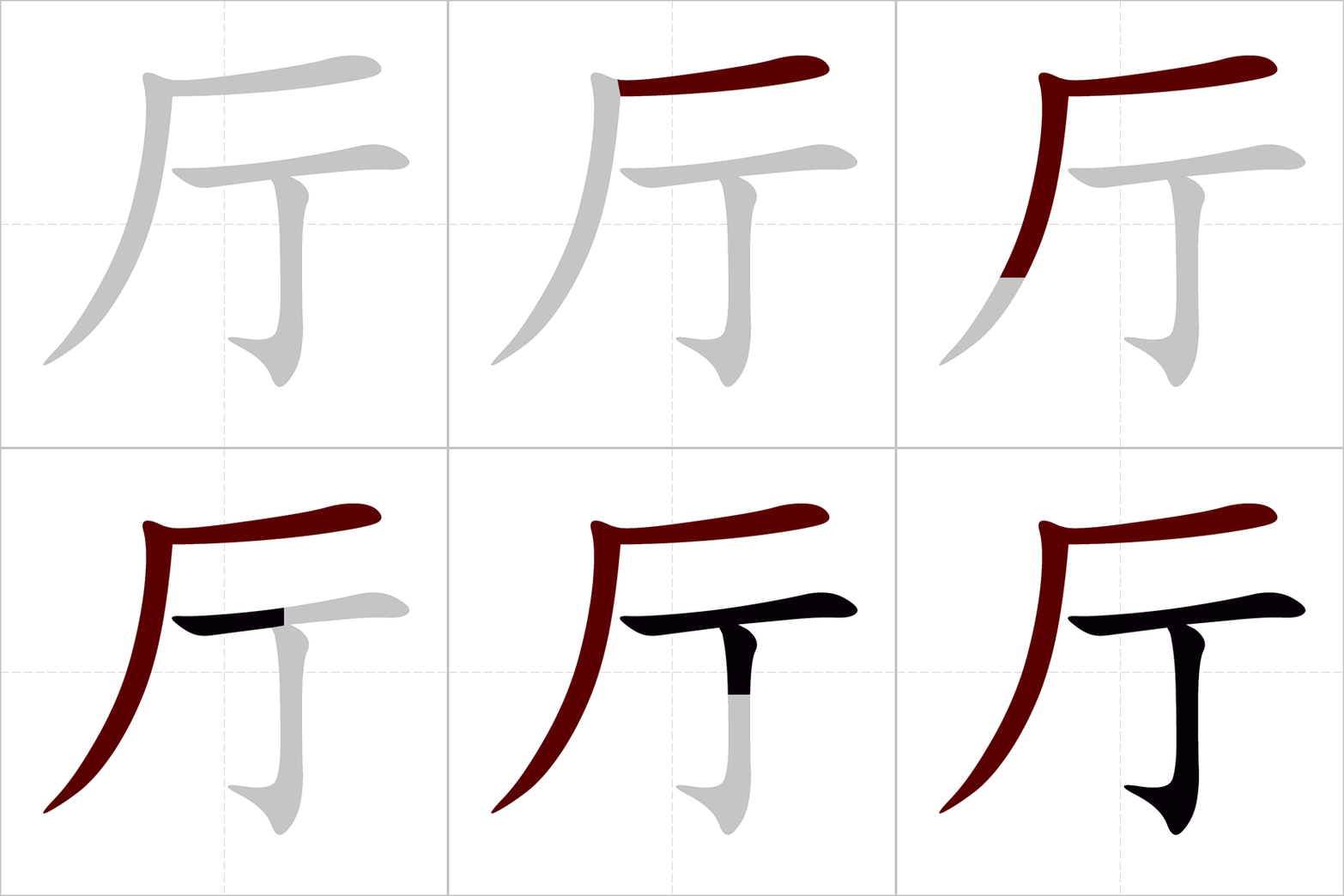
厅 (tīng):
- Original form: The earliest forms of 厅 depicted a building with a prominent front hall or open space. This space was often used for receiving guests or holding gatherings.
- Evolution of meaning: 厅 originally referred to a hall or large room within a building, particularly one used for receiving guests. This meaning has largely remained consistent over time.
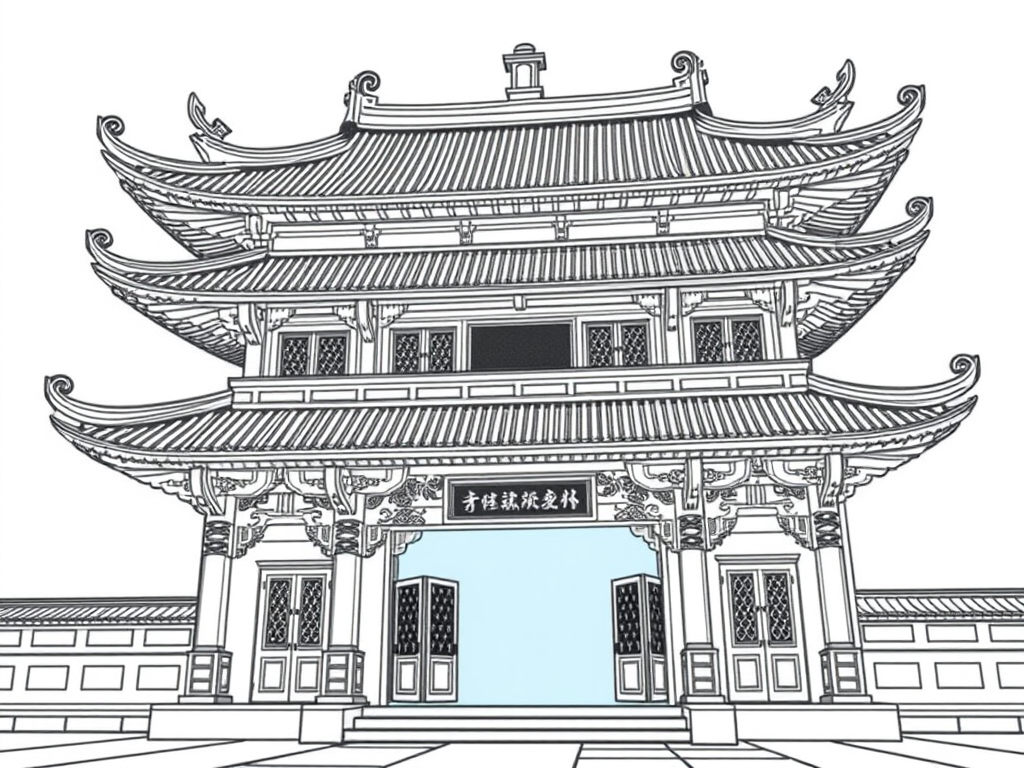
Combining the characters:
When combined to form 客厅, the meaning becomes clear:
- 客 (kè) – relating to guests or visitors
- 厅 (tīng) – a hall or large room
Therefore, 客厅 (kètīng) literally means “guest hall” or the room where guests are received. This aligns perfectly with the modern concept of a “living room,” which is often the central space in a home used for socializing and entertaining.
In summary:
The word 客厅 reflects the importance of hospitality and social gatherings in Chinese culture. The characters’ original meanings relating to guests and spacious halls combine to create the modern term for the room where we welcome and entertain others.


