

比较 (bǐjiào), meaning “to compare” or “relatively,” is a two-character word where the meaning emerges from the combination of the individual characters. Let’s explore their original meanings:
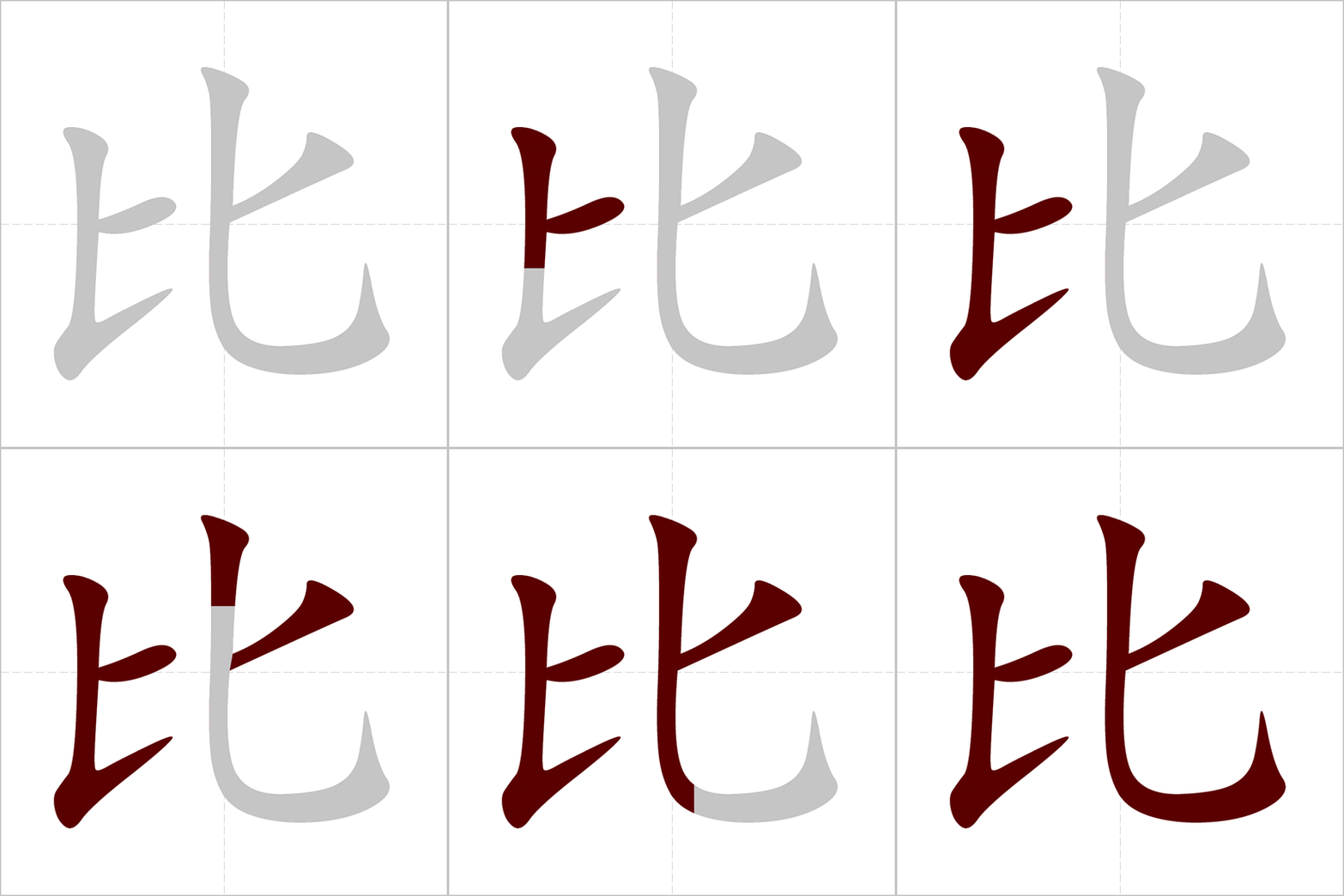
比 (bǐ):
- Early form: Depicted two people standing side-by-side.
- Original meaning: To compare, to be close to, to be alike.
- Evolution: The visual of two people together naturally led to the concept of comparing, contrasting, or being similar.

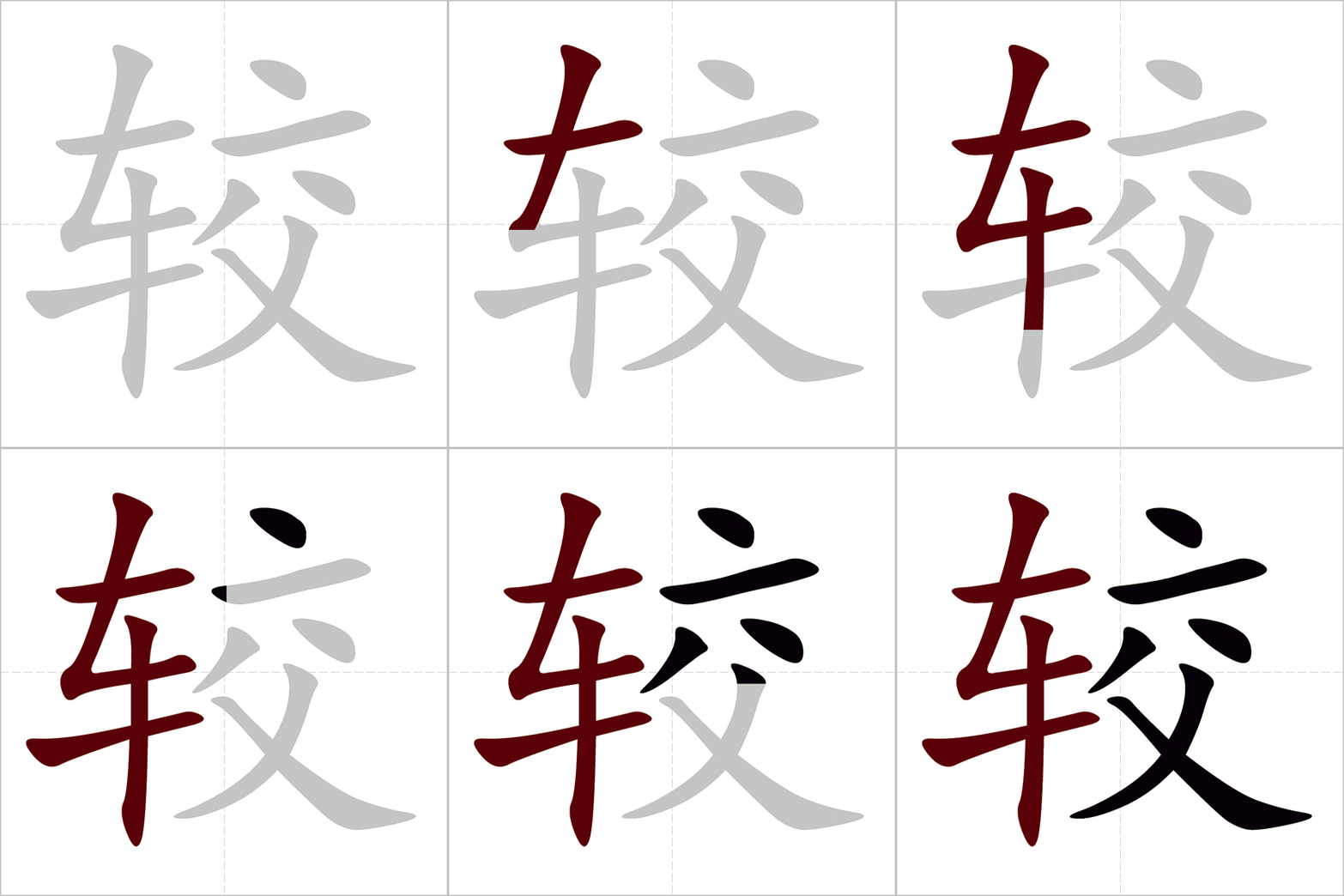
较 (jiào):
- Early form: Showed two hands holding and examining something, possibly weighing or measuring it.
- Original meaning: To compare, to contest, to compete, to haggle.
- Evolution: The image of two hands engaged in assessment extended to the ideas of comparing, competing, and determining value or differences.

Combining these, 比较 (bǐjiào) originally conveyed:
- Placing things side-by-side for examination: The “two people together” (比) and “two hands examining” (较) create a scene of careful observation and comparison, highlighting the act of assessing similarities and differences.
- Determining relative value or merit: The characters suggest a process of close scrutiny to determine which is better, bigger, or more suitable.
Therefore, 比较 emphasized the act of careful comparison and evaluation to understand the relative qualities or characteristics of things.
It’s interesting to note that both characters individually carry the meaning of “compare,” but their combination reinforces and strengthens this concept, adding nuances of detailed examination and assessment.
To explore further, you could consult:
- 《說文解字》(Shuowen Jiezi): This ancient dictionary can provide more details on the original forms and meanings of 比 and 较.
- Historical texts and literature: Analyzing how 比较 is used in different contexts throughout history can reveal how its meaning has evolved and nuanced over time, from simple comparisons to more complex evaluations.
This explanation hopefully provides a deeper understanding of the origins and imagery behind this commonly used word!


