

游戏 (yóuxì), meaning “game” or “play,” is a fascinating word with roots in ancient rituals and entertainment. Let’s break down the two characters:
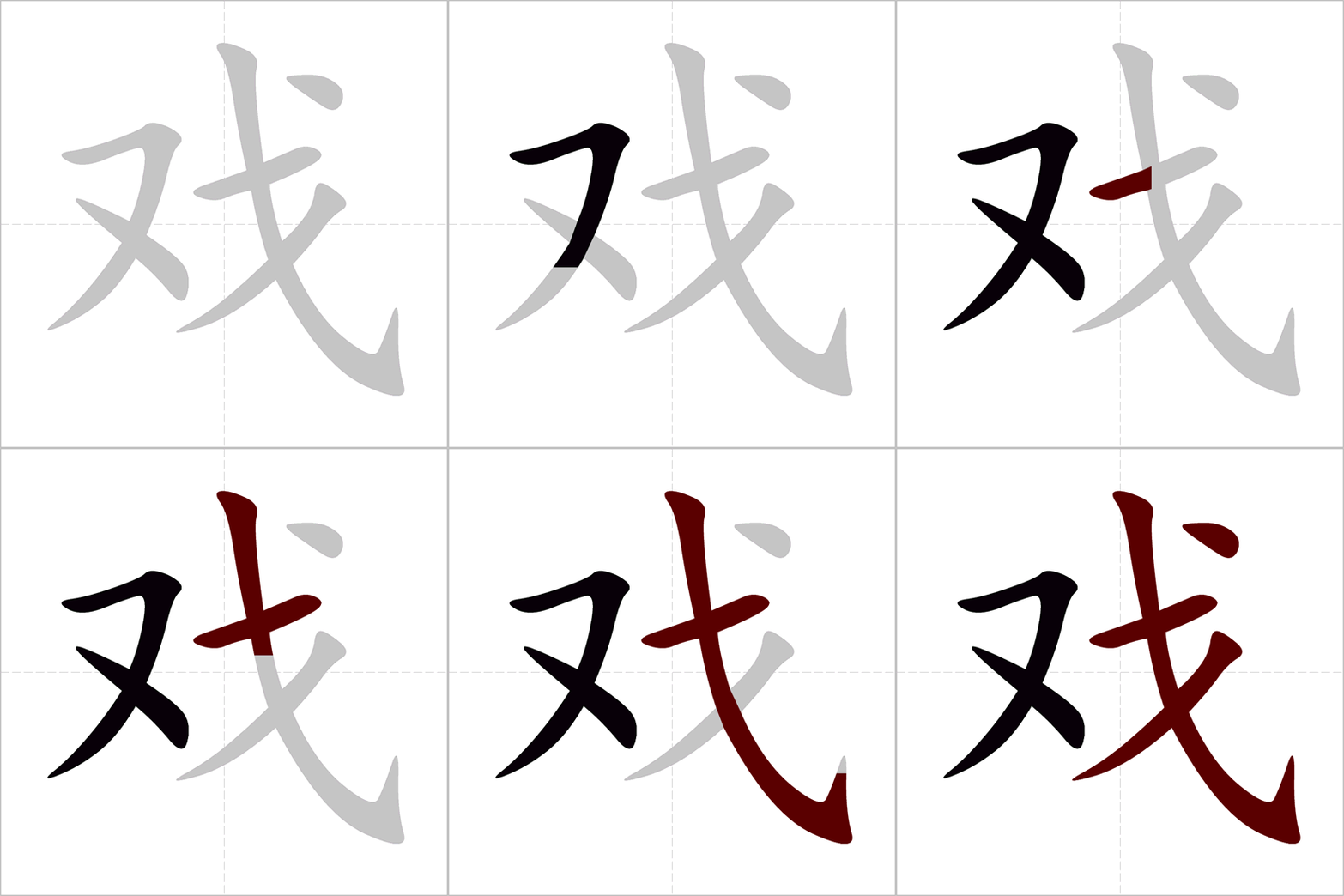

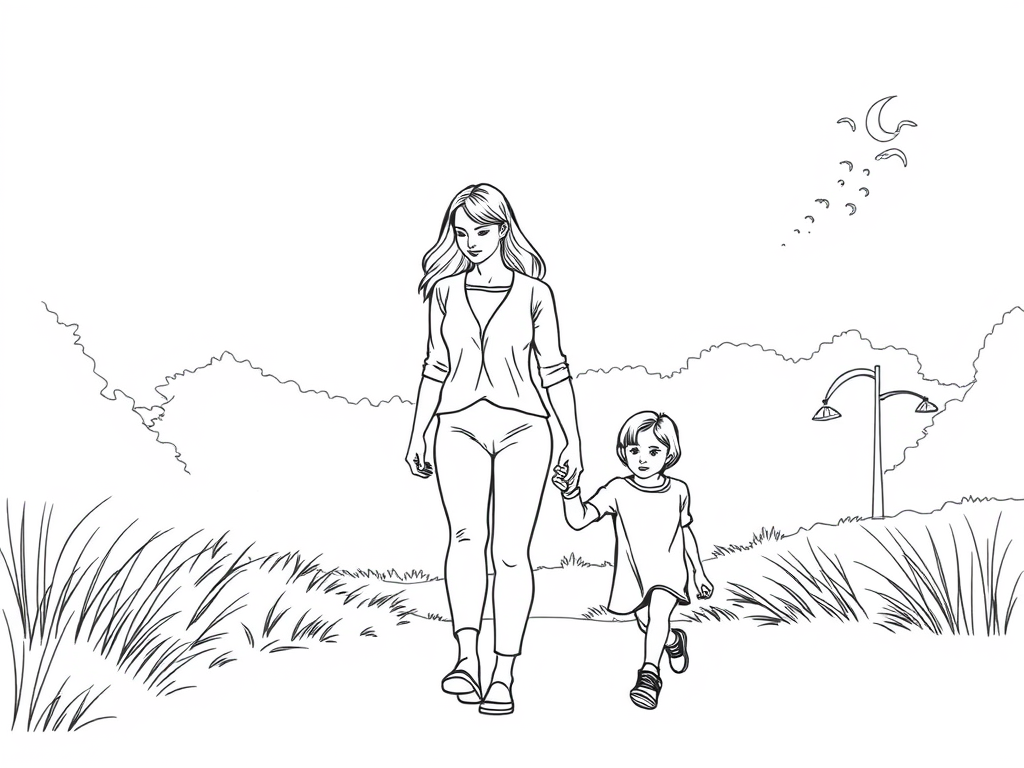
遊 (yóu):
- Original form: The earliest forms of 遊 depicted a child (子, zi) moving or walking (辶, chuò). This suggests the carefree movement and exploration associated with children.
- Evolution of meaning: From this initial concept of a child’s movement, 遊 evolved to encompass broader meanings like “to wander,” “to travel,” “to roam,” and “to enjoy oneself.” It captures the sense of freedom and leisure.
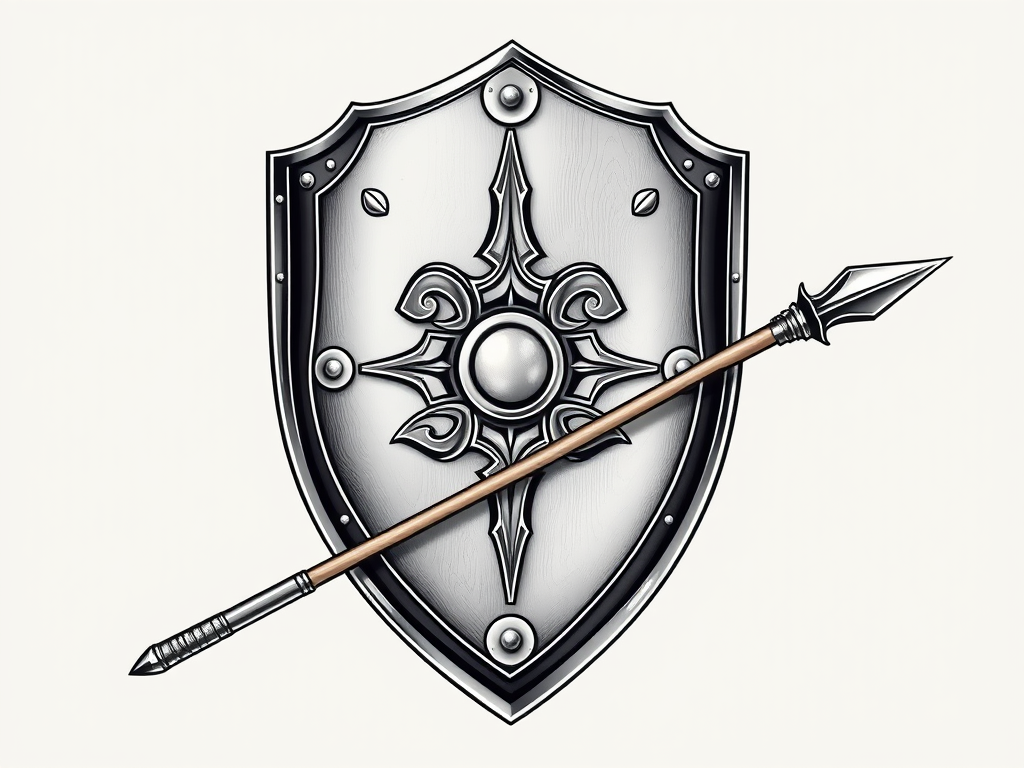
戲 (xì):
- Original form: The earliest forms of 戲 combined elements representing a religious ceremony or ritual (戈, gē, a type of weapon often used in rituals) and a joyful performance with music and dance (豆, dòu, a type of sacrificial vessel, also associated with music).
- Evolution of meaning: 戲 originally referred to ritual performances or ceremonies with music and dance, often with religious significance. Over time, the meaning broadened to include various forms of entertainment, amusement, and playful activities, eventually leading to the modern meaning of “game” or “play.”
Combining the characters:
The combination of 遊 (yóu) and 戲 (xì) in 游戏 beautifully captures the essence of games:
- 遊 (yóu) brings the sense of freedom, exploration, and enjoyment.
- 戲 (xì) adds the element of playful activity, amusement, and entertainment.
Together, they create a word that encompasses the diverse world of games, from simple childhood pastimes to complex video games and competitive sports.
In summary:
The word 游戏 reflects the deep connection between games and human culture, tracing its origins back to ancient rituals and the joyful movements of children. It reminds us that games are not just frivolous activities, but an integral part of human expression, creativity, and social interaction.

 How to write Chinese