

叔叔 (shūshu) is composed of two identical characters: 叔 (shū). Let’s break down the original structure and meaning of 叔:
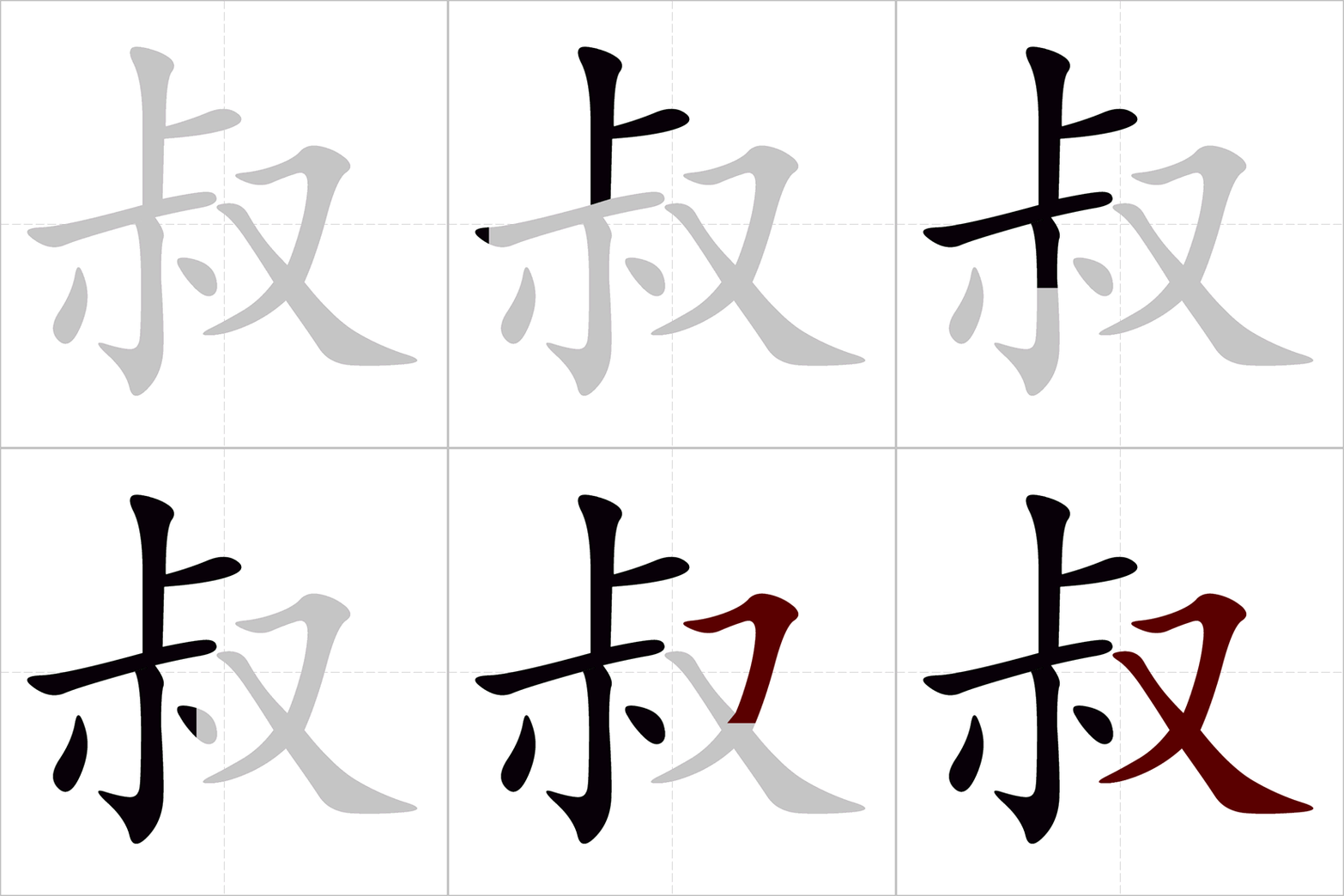
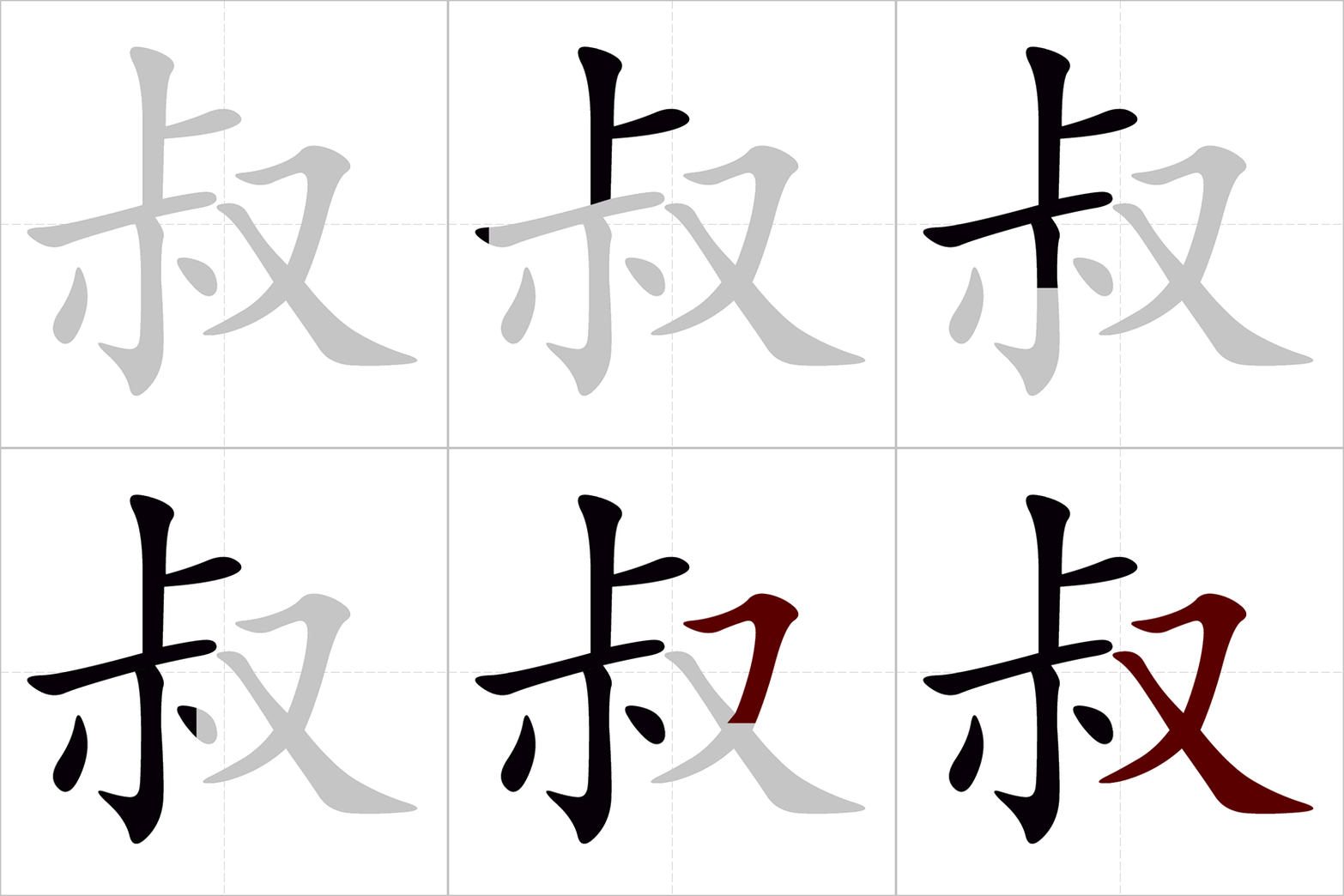
- Original form: The earliest forms of 叔 depicted a hand (右手, yòushǒu) holding a small broom or brush (帚, zhǒu). This suggests the original meaning was related to cleaning or sweeping.
- Evolution of meaning: Over time, the meaning evolved. In ancient China, younger brothers often had duties related to cleaning and maintaining the ancestral temple. This association with younger brothers and their responsibilities led to 叔 taking on the meaning of “younger brother” or “junior.”
- Further semantic shift: Eventually, 叔 came to specifically refer to the younger brother of one’s father, hence “uncle.”

Why the repetition?
In Chinese, repeating a character often intensifies its meaning or adds a sense of familiarity or affection. Using 叔叔 instead of just 叔 emphasizes the familial connection and shows respect. It’s similar to how we might say “daddy” instead of “father” in English.
In summary:
The character 叔 originally depicted a hand holding a cleaning tool, evolving to mean “younger brother” due to the duties associated with that role in ancient times. By repeating the character in 叔叔, the word for “uncle” conveys a sense of closeness and respect.

 How to write Chinese