

The Chinese word 刚才 (gāngcái) is a bit different from the previous examples because it’s not a single character with a pictographic origin. Instead, it’s a two-character word where each character contributes to the overall meaning.
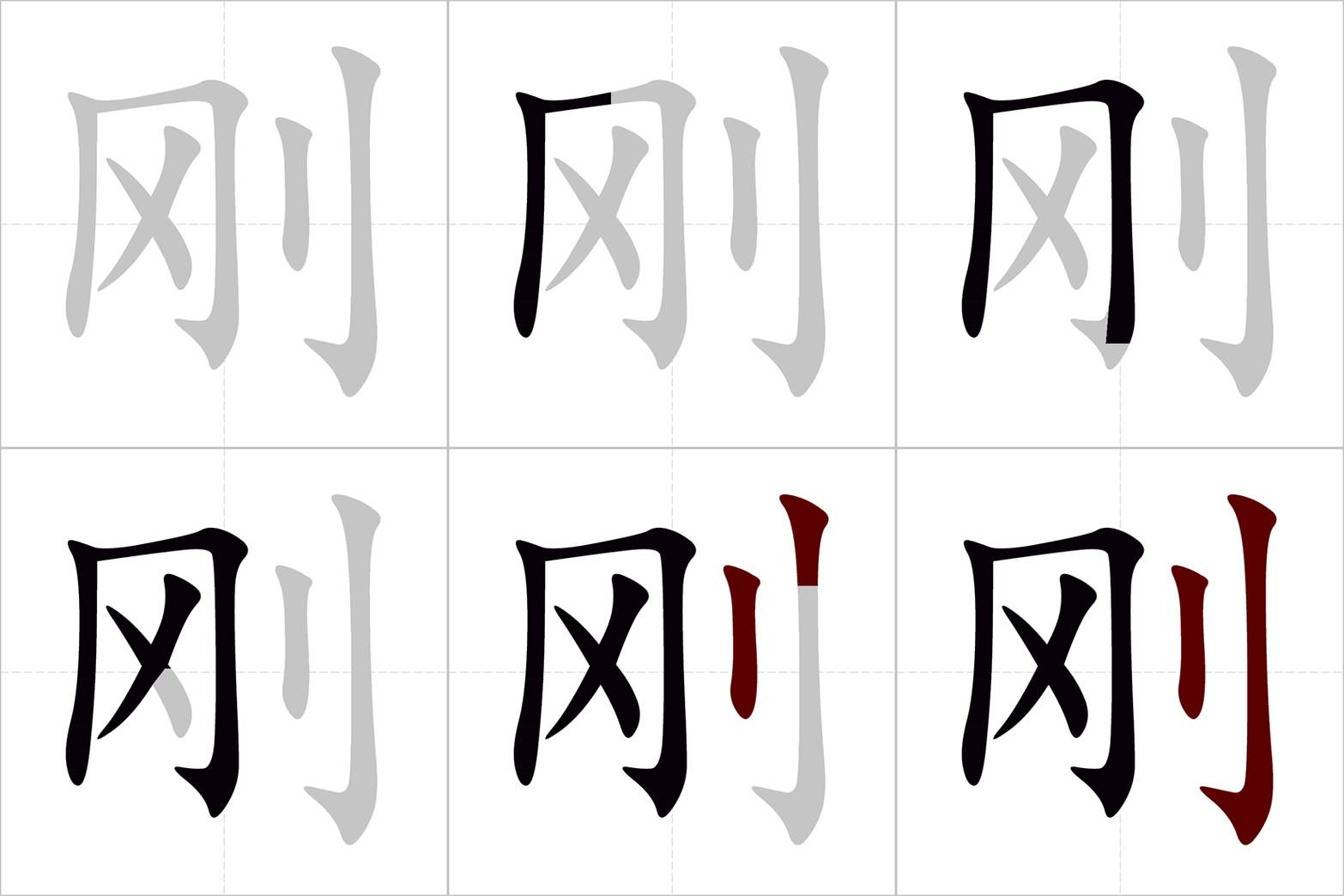
Let’s break down each character:
- 剛 (gāng):
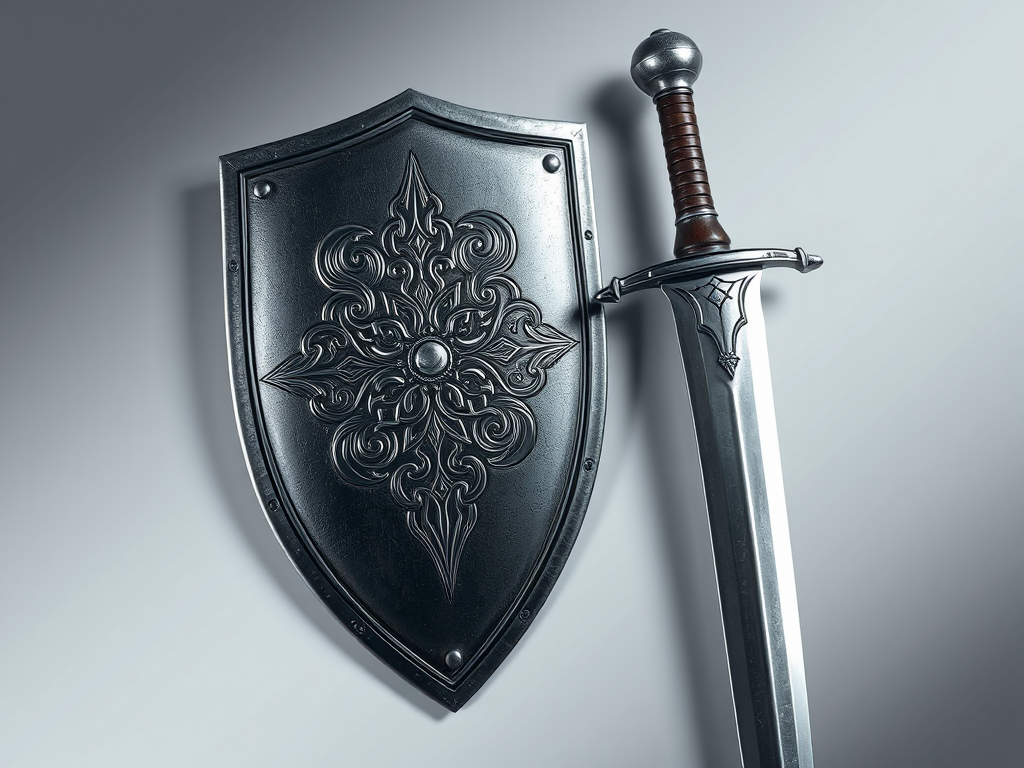
- This character originally depicted a cliff or a steep, rigid object.
- The top part resembles a cliff face, while the bottom part might represent the base or the ground.
- Over time, its meaning extended to include concepts like “hard,” “firm,” “just,” and “barely.”
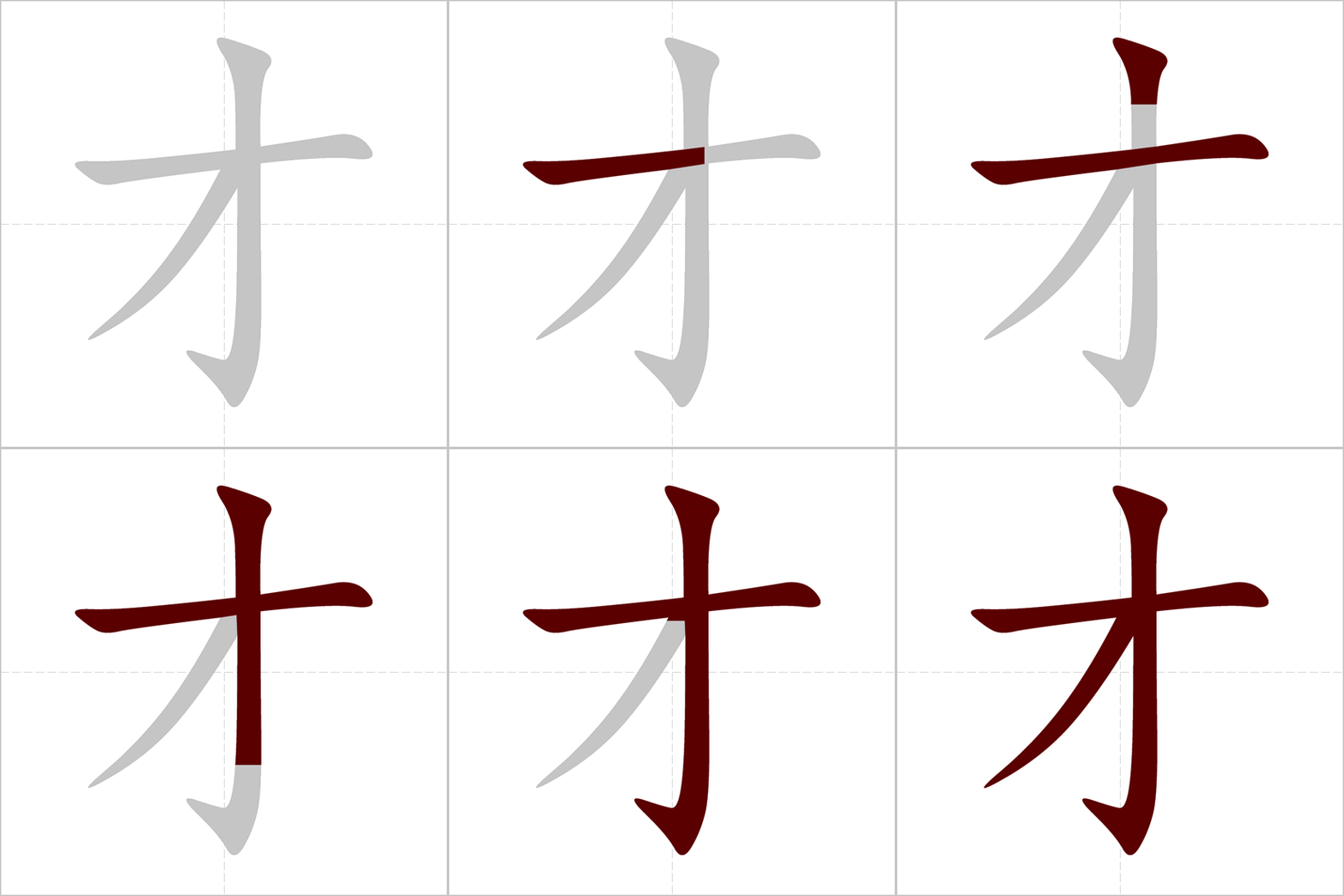
- 才 (cái):
- This character’s original form depicted a young sprout emerging from the ground.
- It symbolized new beginnings, talent, ability, and just recently.
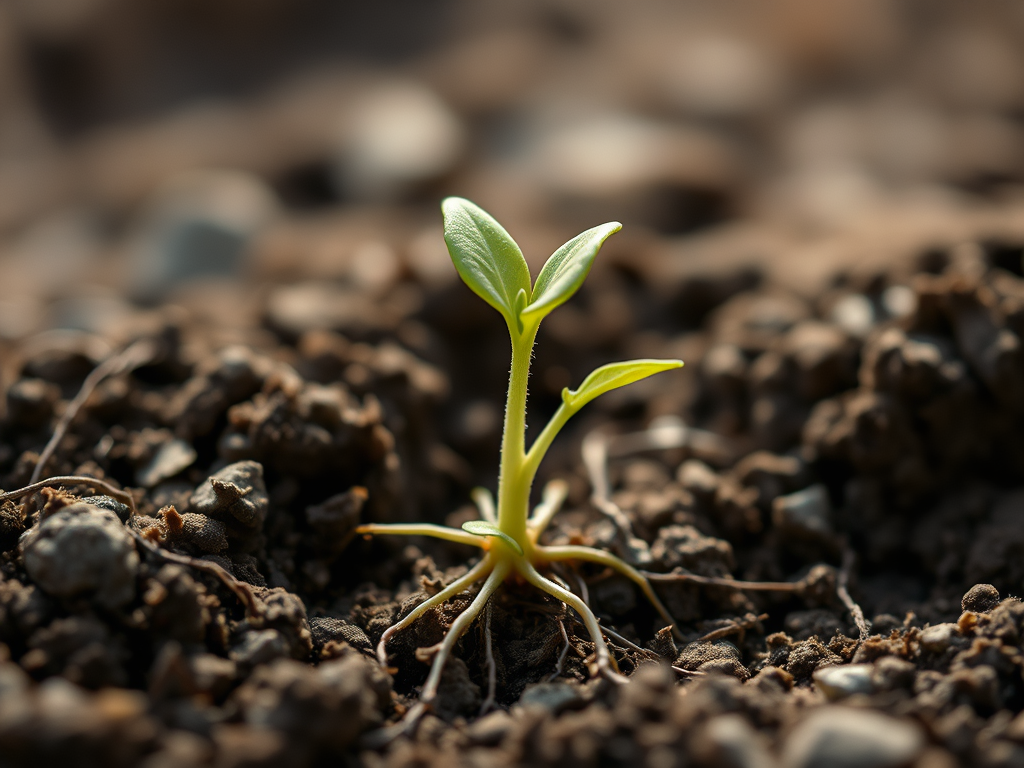
When combined to form 刚才, the original meaning likely stemmed from the idea of something having “just sprouted” or “just emerged.” This aligns with its modern meaning of “just now” or “a moment ago.”
Think of it like this:
- 剛 (gāng): Represents a fixed point in the very recent past.
- 才 (cái): Represents something new emerging from that point, signifying the action or event that just occurred.
Therefore, 刚才 paints a picture of an action happening in the immediate past, right at the edge of the present moment.
It’s important to note that while the individual characters have ancient origins, the combination 刚才 might have solidified its meaning later as the language evolved.
To further explore the evolution of these characters and the word 刚才, you could consult:
- 《說文解字》(Shuowen Jiezi): This ancient dictionary provides explanations of character structures and their original meanings.
- Historical texts and literature: Analyzing how 刚才 is used in different time periods can shed light on its evolving meaning.

 How to write Chinese