

The Chinese word 简单 (jiǎn dān) means “simple” or “easy.” Let’s analyze the structure and meaning of each character:
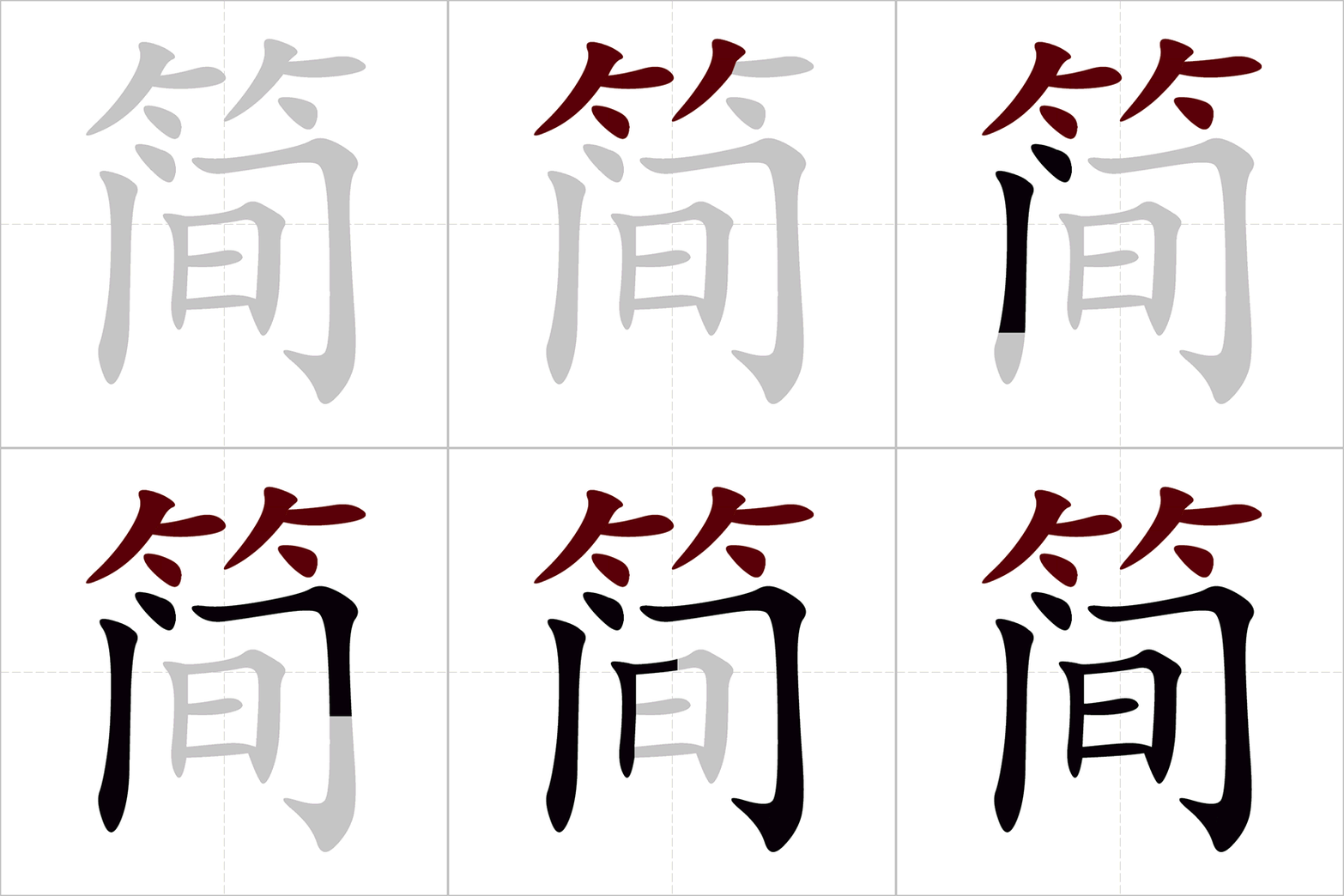
- 简 (jiǎn): This character is composed of two parts:
- 竹 (zhú): This component represents “bamboo.” Bamboo is known for its straight, simple structure and is often associated with simplicity and straightforwardness in Chinese culture.间 (jiān): This component originally depicted a door with a person standing in the middle. It carries the meaning of “between,” “interval,” or “divide.”
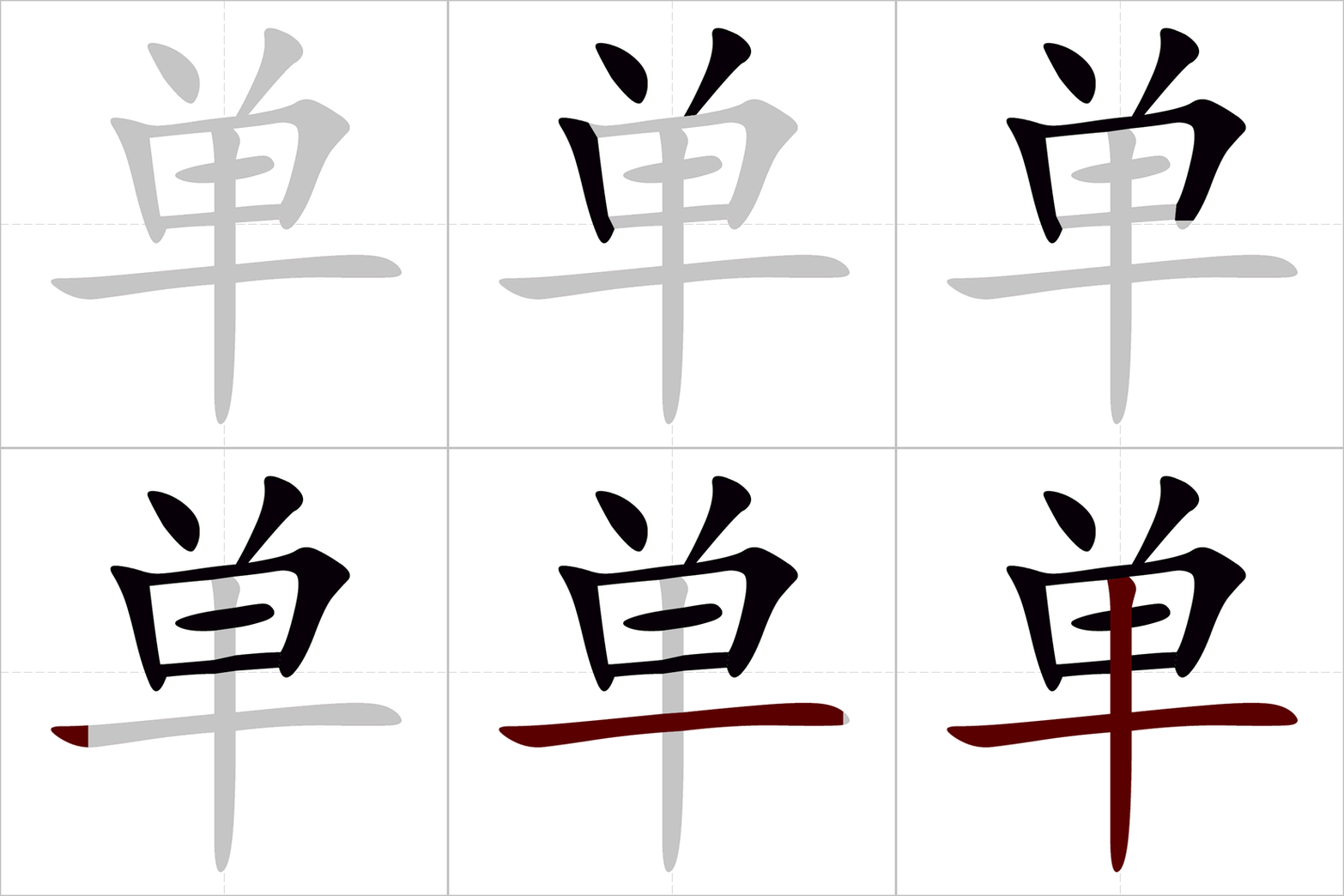
- 单 (dān): This character also consists of two parts:
- 廿 (niàn): This component represents the number “twenty.” While its exact connection to “simple” is debated, some suggest it relates to the idea of fewness or a limited number.
- 尚 (shàng): This component means “still,” “yet,” or “even.” It can also imply something being superior or esteemed.

Therefore, the written structure of 简单 conveys the meaning of “simple” through different aspects: 简 emphasizes reducing complexity and focusing on the essential, while 单 highlights singularity and lack of complication. Together, they create a comprehensive picture of simplicity.

 How to write Chinese