

硬 (yìng) means “hard,” “stiff,” or “firm” in Chinese. It can refer to the physical properties of an object or someone’s resolute attitude. Let’s explore its original structure and meaning:
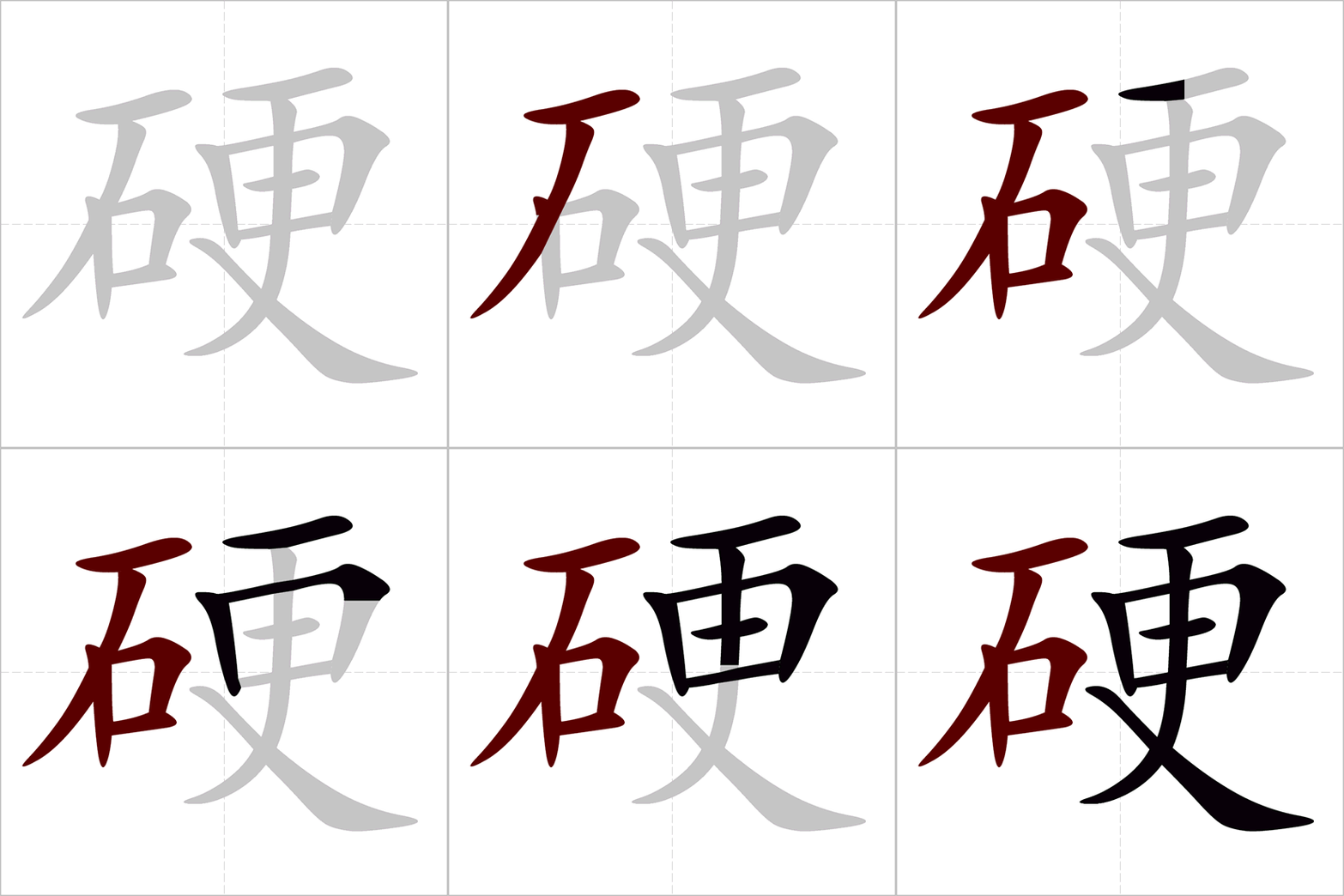
Original Structure
硬 (yìng) is composed of two parts:
- 石 (shí): This is a pictogram of a stone, representing something solid and unyielding.
- 更 (gèng): This component originally depicted a hand hitting a bell or drum, signifying a change or alteration.
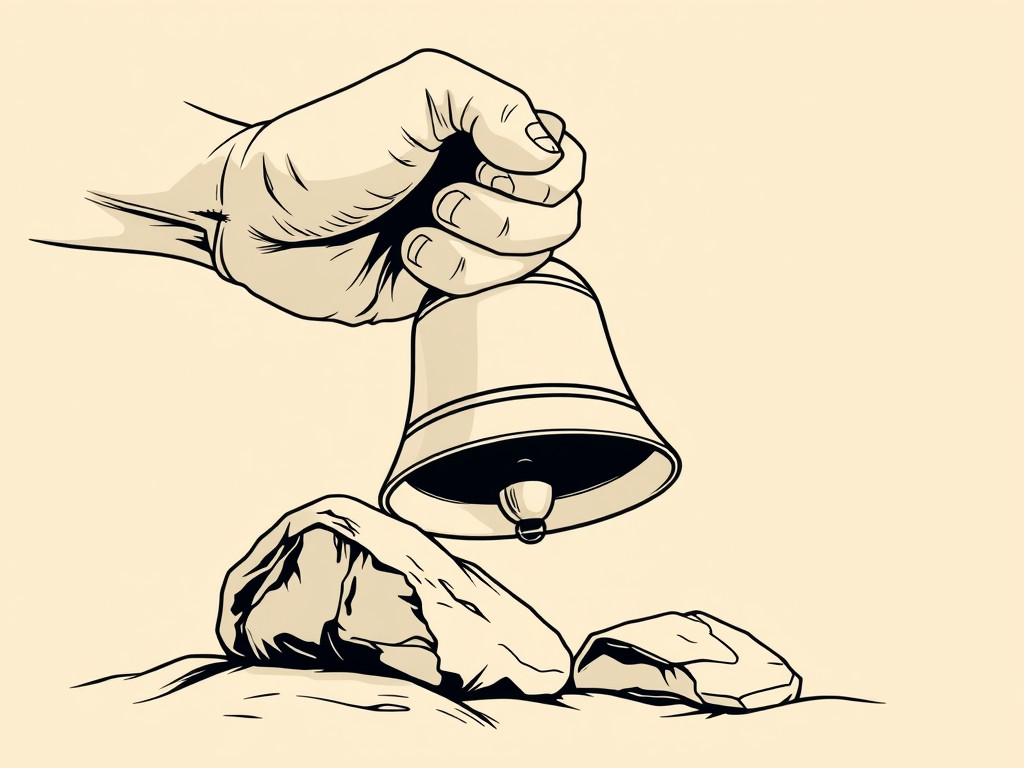
Meaning
The combination of these two components suggests the idea of something becoming like a stone – solid, unyielding, and resistant to change. This gives rise to its primary meanings:
- Hard, solid: This is the most literal meaning, referring to the physical property of being hard or solid, like a rock (硬石头, yìng shítou) or a metal (硬金属, yìng jīnshǔ).
- Stiff, rigid: It can also describe something that lacks flexibility or is difficult to bend, like a stiff board (硬板, yìngbǎn) or a frozen limb (僵硬, jiāngyìng).
- Strong, firm: 硬 can also convey strength and firmness, either physically or metaphorically. For example, a strong defense (硬防守, yìng fángshǒu) or a firm determination (硬决心, yìng juéxīn).
- Resolute, unyielding: This meaning relates to a person’s attitude or character, describing someone who is determined, stubborn, or unwilling to compromise.
Evolution
The original imagery of a stone being struck or altered likely evolved to encompass the broader meanings of hardness, stiffness, and firmness. The character 硬 retains its connection to the unyielding nature of stone, both physically and metaphorically.

 How to write Chinese