
落 (luò) is a fascinating character with a rich history! Here’s a breakdown of its meaning and original structure:

Original Structure
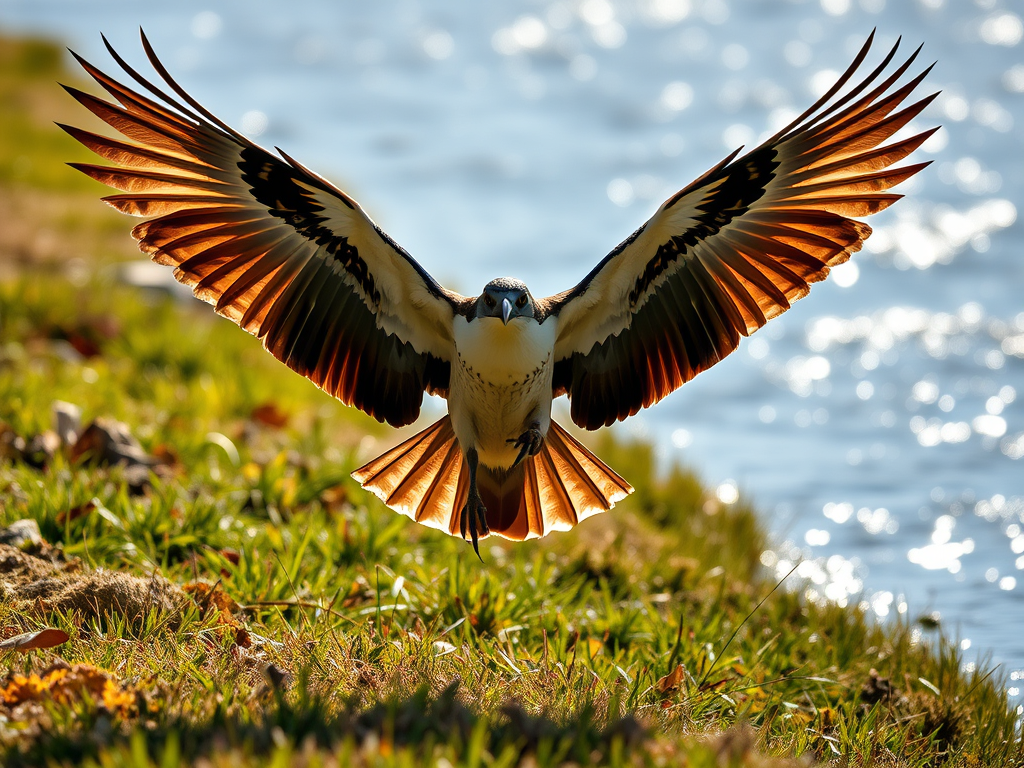
落 (luò) was originally a pictograph depicting a bird with outstretched wings descending to the ground. Imagine a bird with its wings spread wide, gracefully landing.
Meaning

This original structure directly relates to its primary meanings:
- To fall, descend: Just like the bird in the pictogram, 落 conveys the idea of something falling or descending from a higher position. This can be literal, like leaves falling from a tree (落叶, luòyè), or more figurative, like a decline in prices (价格下落, jiàgé xiàluò).
- To drop, shed: This meaning extends to things that are shed or dropped, such as tears (流泪, liúlèi) or flowers losing their petals (落花, luòhuā).
- To lag behind, fall behind: 落 can also indicate falling behind in a race or competition, or being in a disadvantaged position.
- To set, sink (of the sun): The setting sun descends below the horizon, hence the use of 落 in 日落 (rìluò), meaning “sunset.”
- To come to rest, settle: This meaning relates to the final position of the bird after it lands. It can be used in phrases like 落脚 (luòjiǎo), meaning “to find a place to stay.”
Evolution
While the original pictographic form of 落 has evolved and simplified over time, the core meaning of “descending” or “coming to rest” remains central to its various uses.
Understanding the original imagery of a bird landing helps to connect the different meanings of 落 and appreciate the richness of the Chinese language.

 How to write Chinese