

The word 而且 (érqiě) in Chinese means “moreover” or “furthermore.” It’s used to add information or emphasize a point. Let’s break down the original structure and meaning of each character:
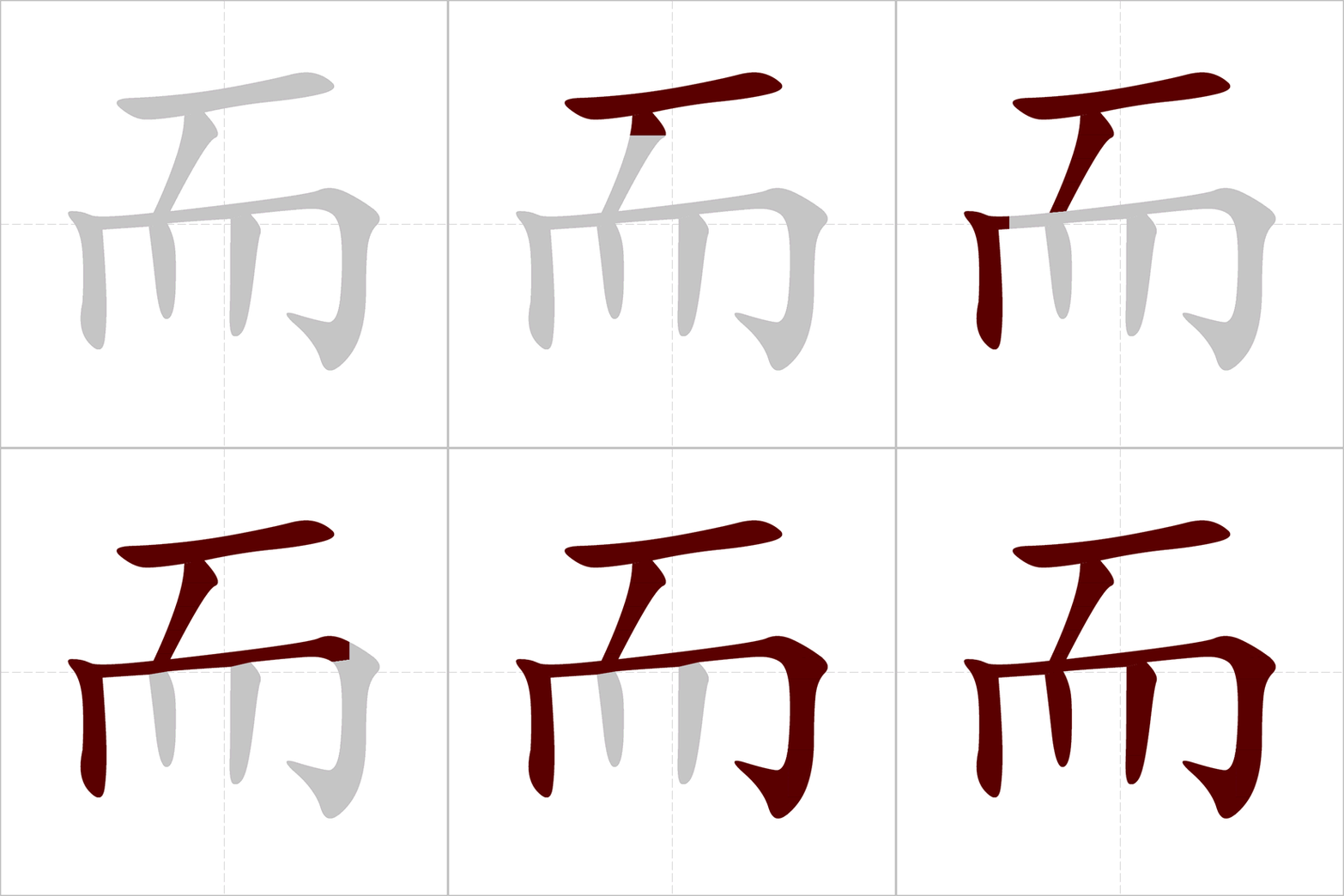
而 (ér)
- Original Structure: This character was originally a pictogram of a beard. In ancient China, beards were a symbol of adulthood and masculinity.
- Meaning: and, but, yet, (indicates change of state)

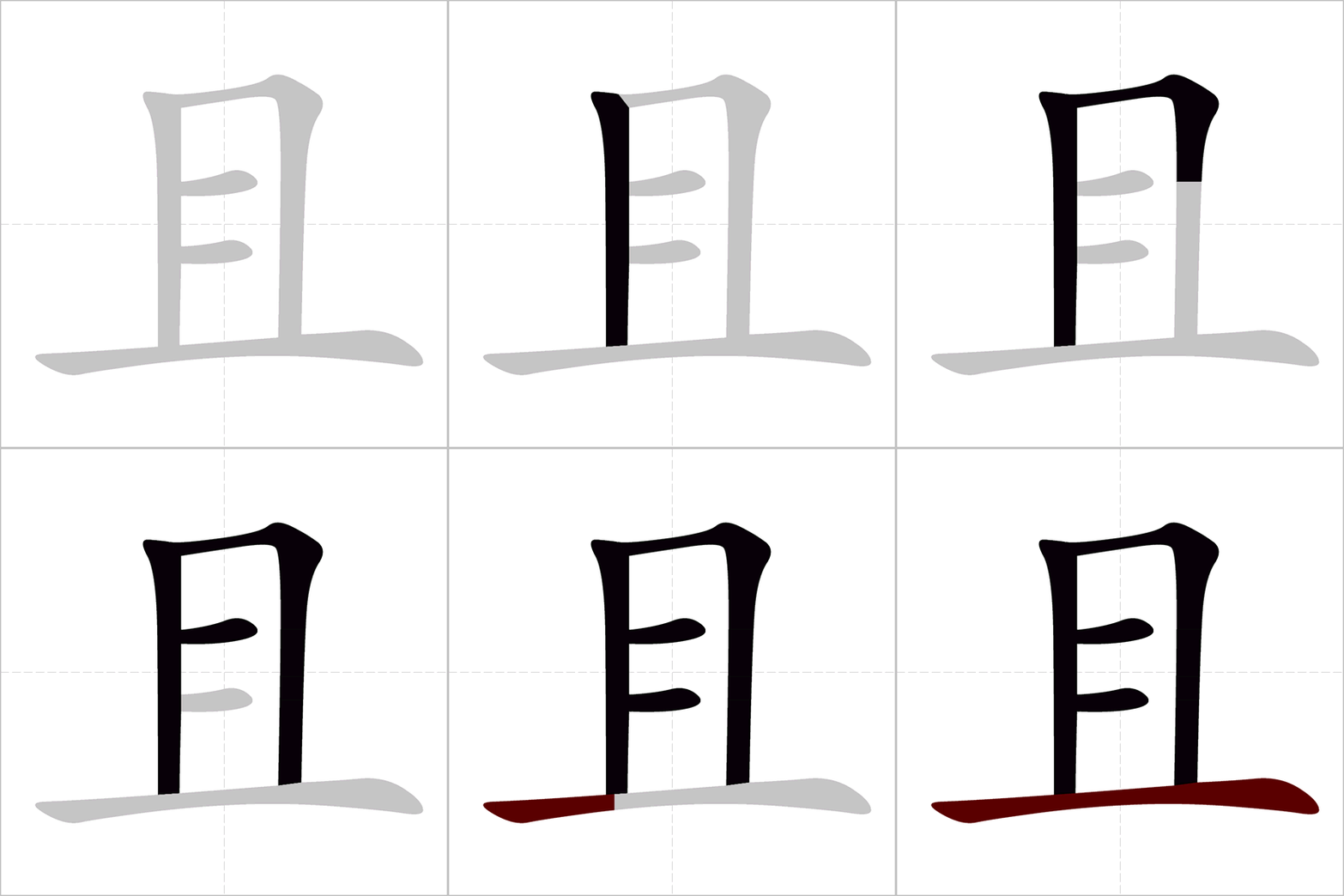
且 (qiě)
- Original Structure: This character’s original form depicted a human figure standing on a raised platform, possibly an altar. This symbolized something being presented or offered.
- Meaning: moreover, furthermore, and, also

Combined Meaning
When combined as 而且 (érqiě), the meaning becomes “and also” or “moreover.” It functions as a conjunction to connect phrases or sentences, adding supplementary information or reinforcing a previous statement.
Evolution of Characters
Over time, the pictographic origins of 而 and 且 have become less obvious in their modern forms. However, understanding their original structures can provide a richer understanding of their meanings and how they contribute to the overall meaning of 而且.

 How to write Chinese