
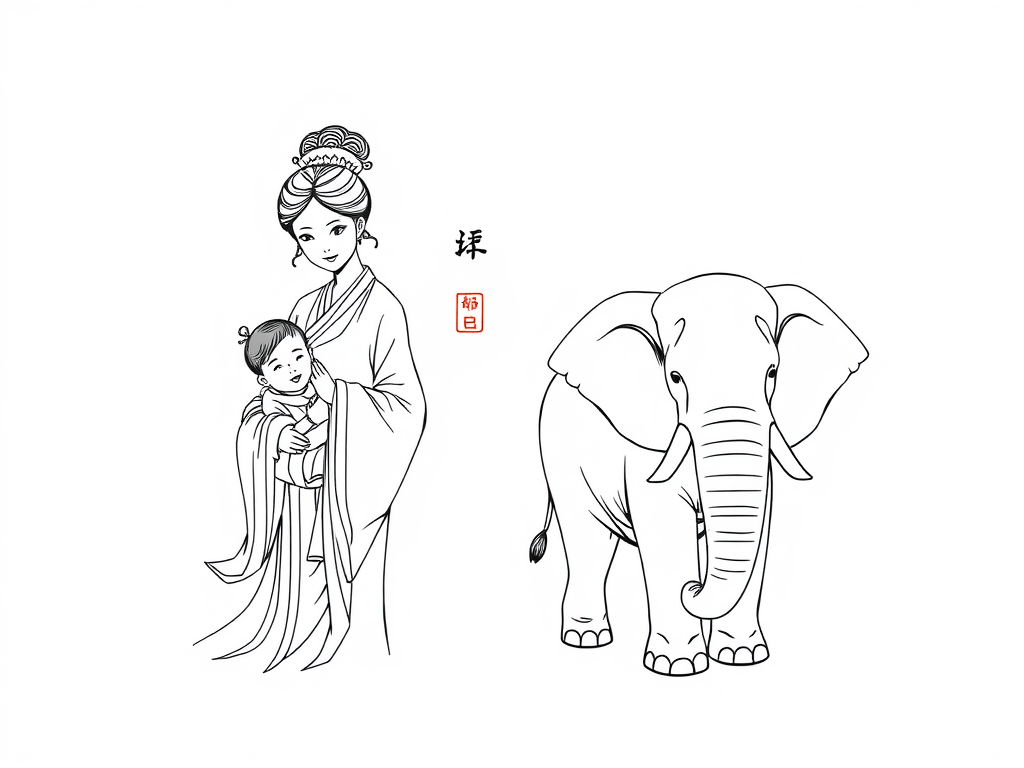
The Chinese word 好像 (hǎoxiàng) is composed of two characters: 好 (hǎo) and 像 (xiàng). Let’s break down the original structure and meaning of each:
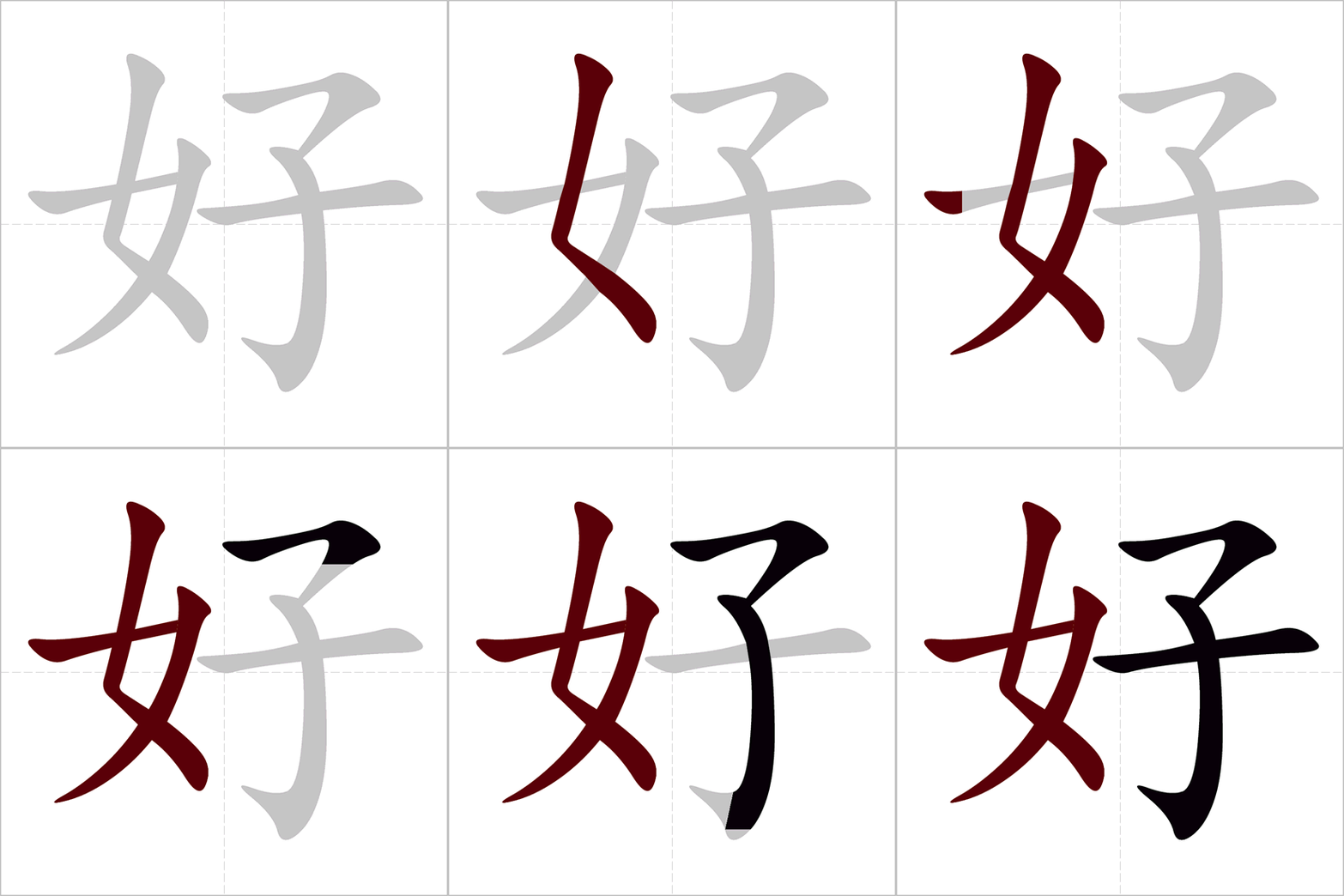
好 (hǎo)
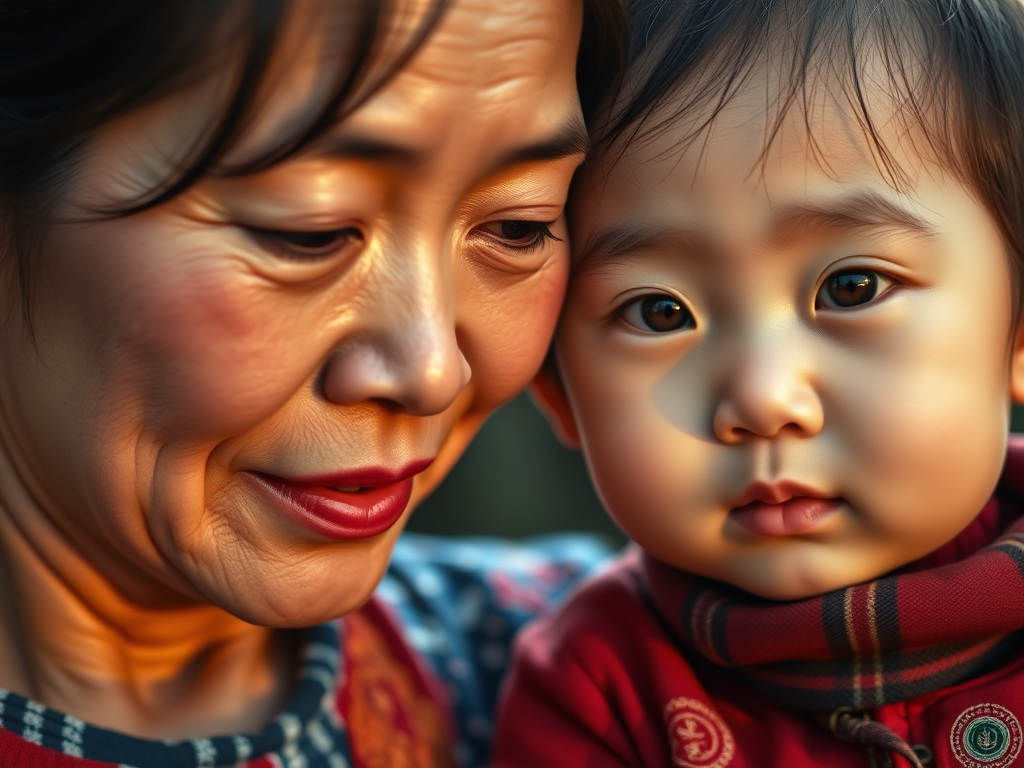
- Original Structure: The character 好 originated from a pictogram of a woman with a child. This symbolized goodness and beauty, as women and children were associated with positive qualities.
- Meaning: good, well, fine, OK
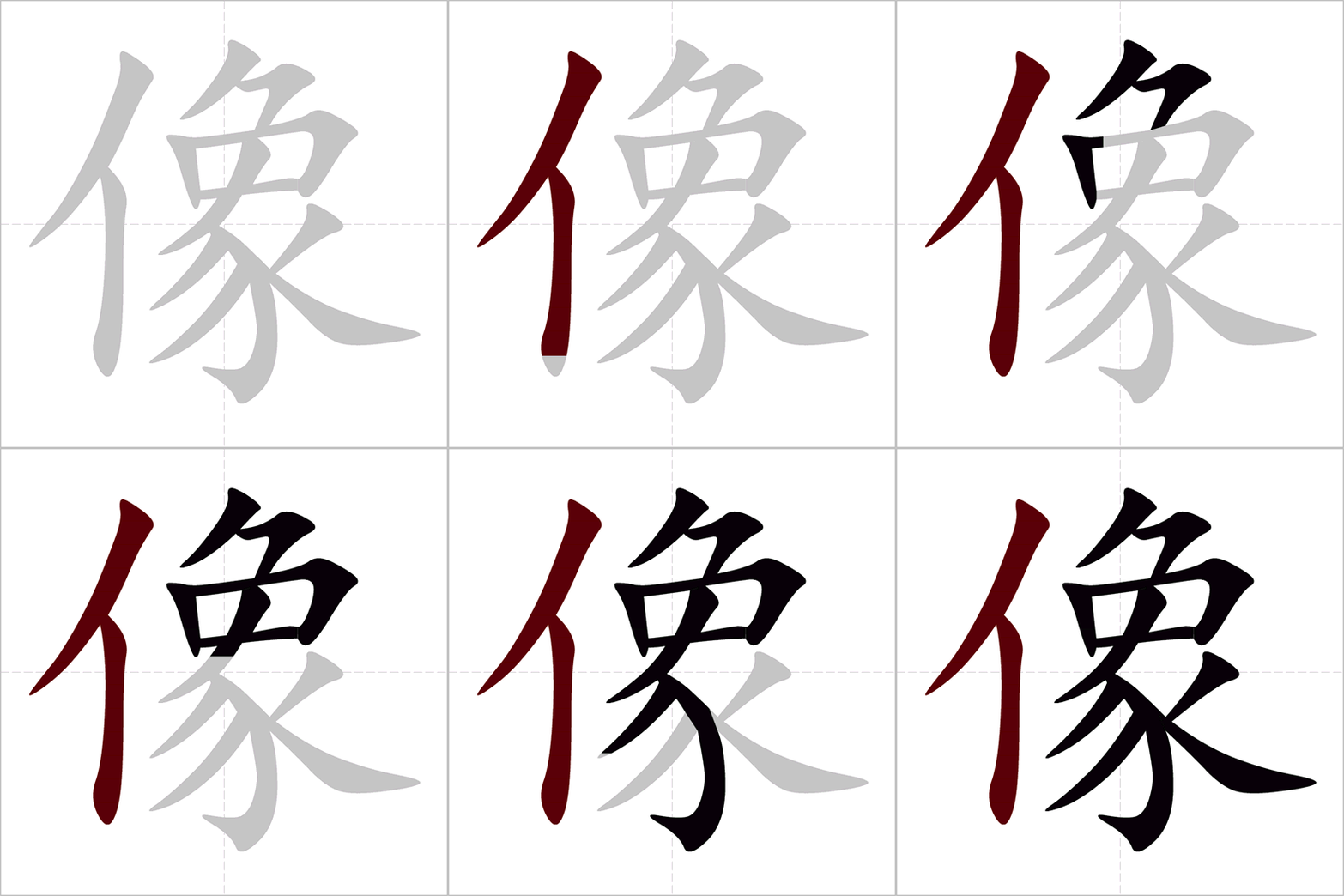
像 (xiàng)
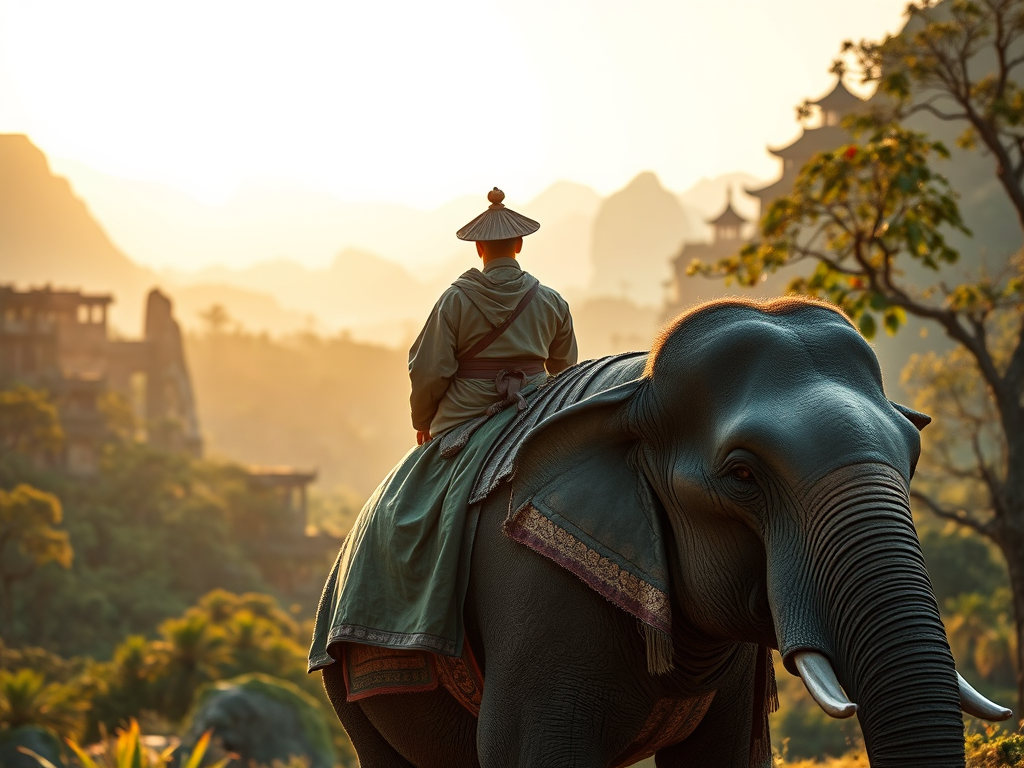
- Original Structure: The character 像 was originally composed of two parts: “人” (rén – person) and “象” (xiàng – elephant). An elephant was seen as a powerful and majestic animal, and the combination of “person” and “elephant” conveyed the idea of imitating or resembling something grand.
- Meaning: resemble, be like, look like, image, portrait
Combined Meaning
When combined, 好像 (hǎoxiàng) takes on the meaning of “seemingly” or “as if.” It implies a sense of resemblance or similarity, but with a degree of uncertainty.
Evolution of the Characters
Over time, the structures of both characters have evolved and simplified. The original pictographic elements are no longer readily apparent in their modern forms, but understanding their origins can provide deeper insight into their meanings.

 How to write Chinese