

样子 (yàngzi) means “appearance,” “manner,” or “style” in Chinese. Let’s delve into the original structure of its two characters:
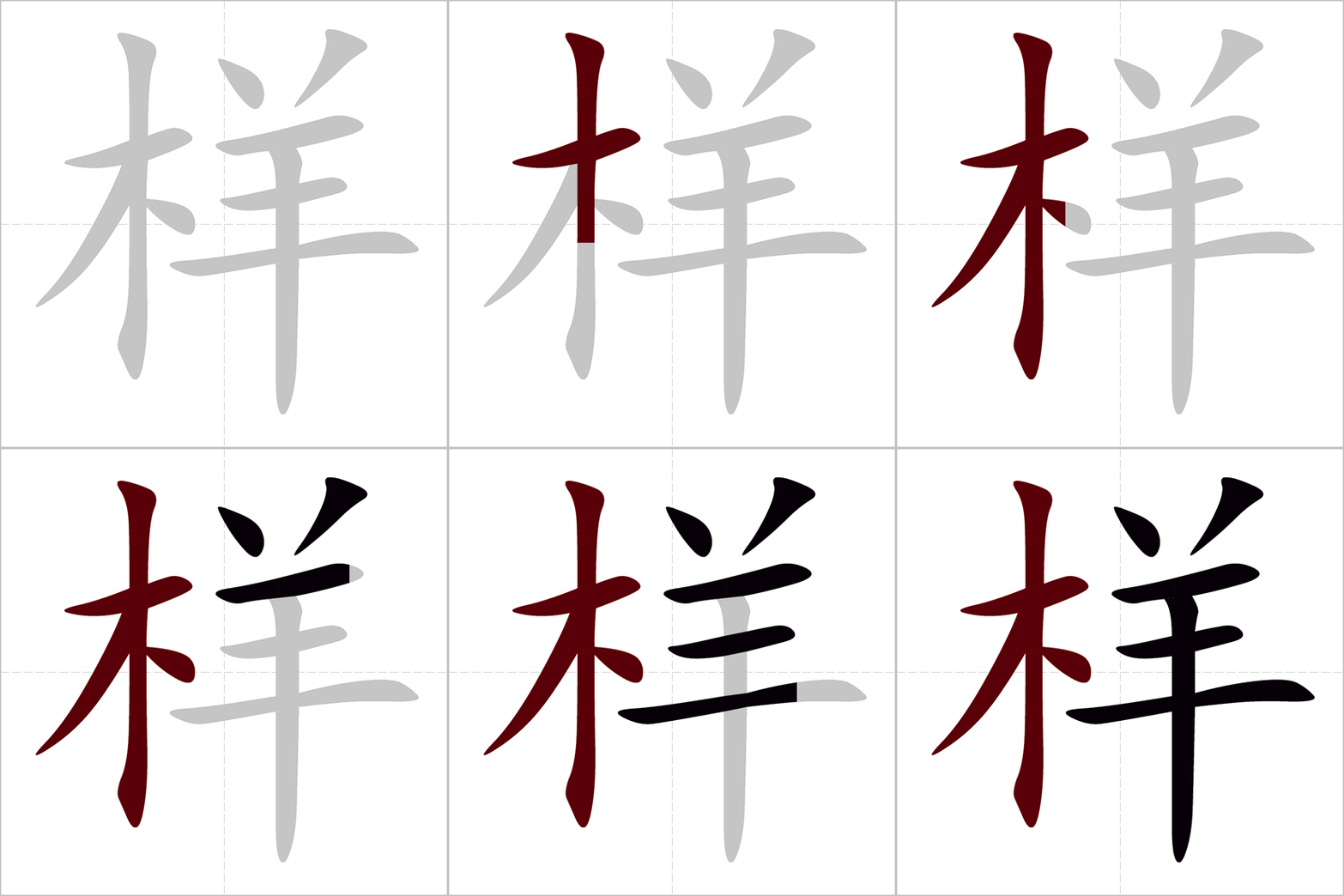
- 样 (yàng): This character is a combination of two parts:
- 木 (mù): A pictogram of a tree, representing wood or something growing.
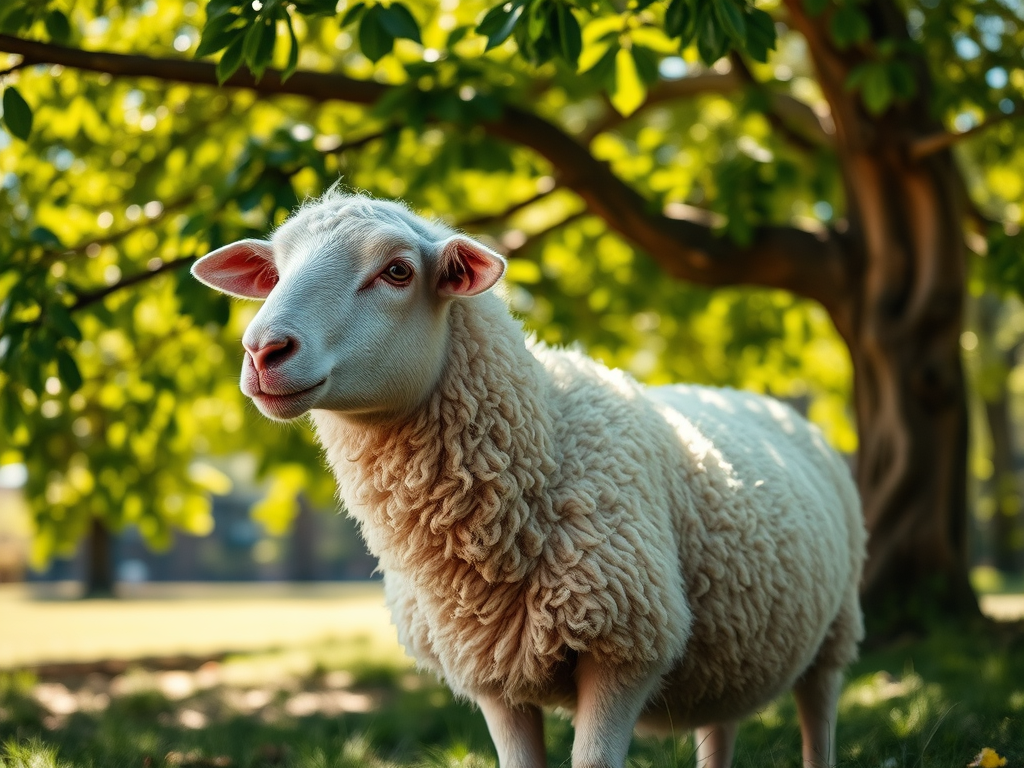
- 羊 (yáng): Originally a pictogram of a sheep’s head, representing sheep or animals in general.
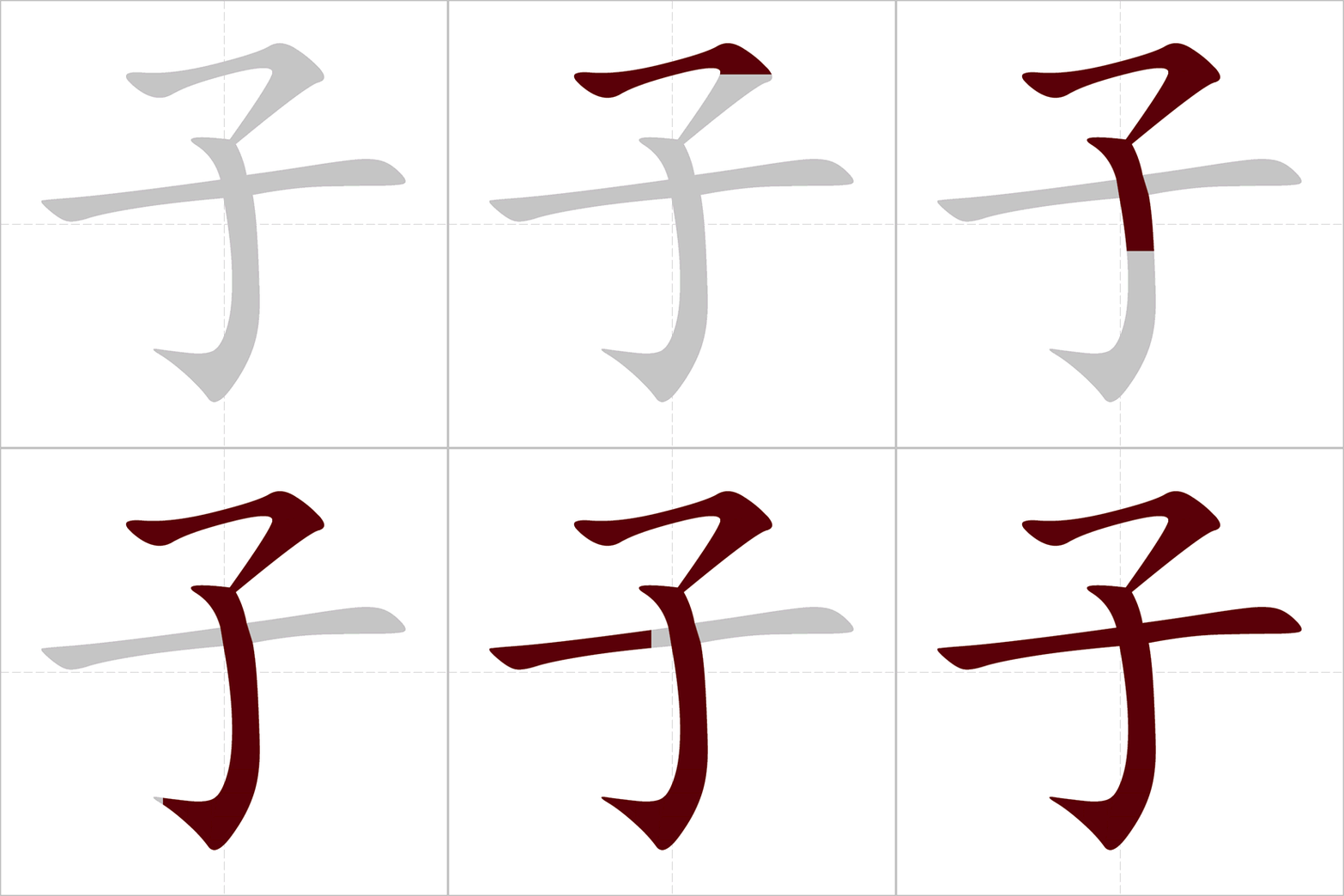
- 子 (zi): This character originally depicted a baby wrapped in swaddling clothes. It symbolizes a child, offspring, or something small. While it often functions as a suffix with no specific meaning, in this case, it might contribute to the nuance of “a specific appearance” or “a small representation.”
Therefore, the original structure of 样子 likely conveyed the idea of a “wooden model” or a “pattern of something,” emphasizing the visual form or shape. This evolved into the broader meaning of “appearance” or “style” that we use today

 How to write Chinese