

人家 (rénjiā) in modern Chinese usually refers to “other people” or “someone else,” often with a slight connotation of “their family/household.” It can also be used in a more endearing or polite way to refer to someone, especially a young woman.
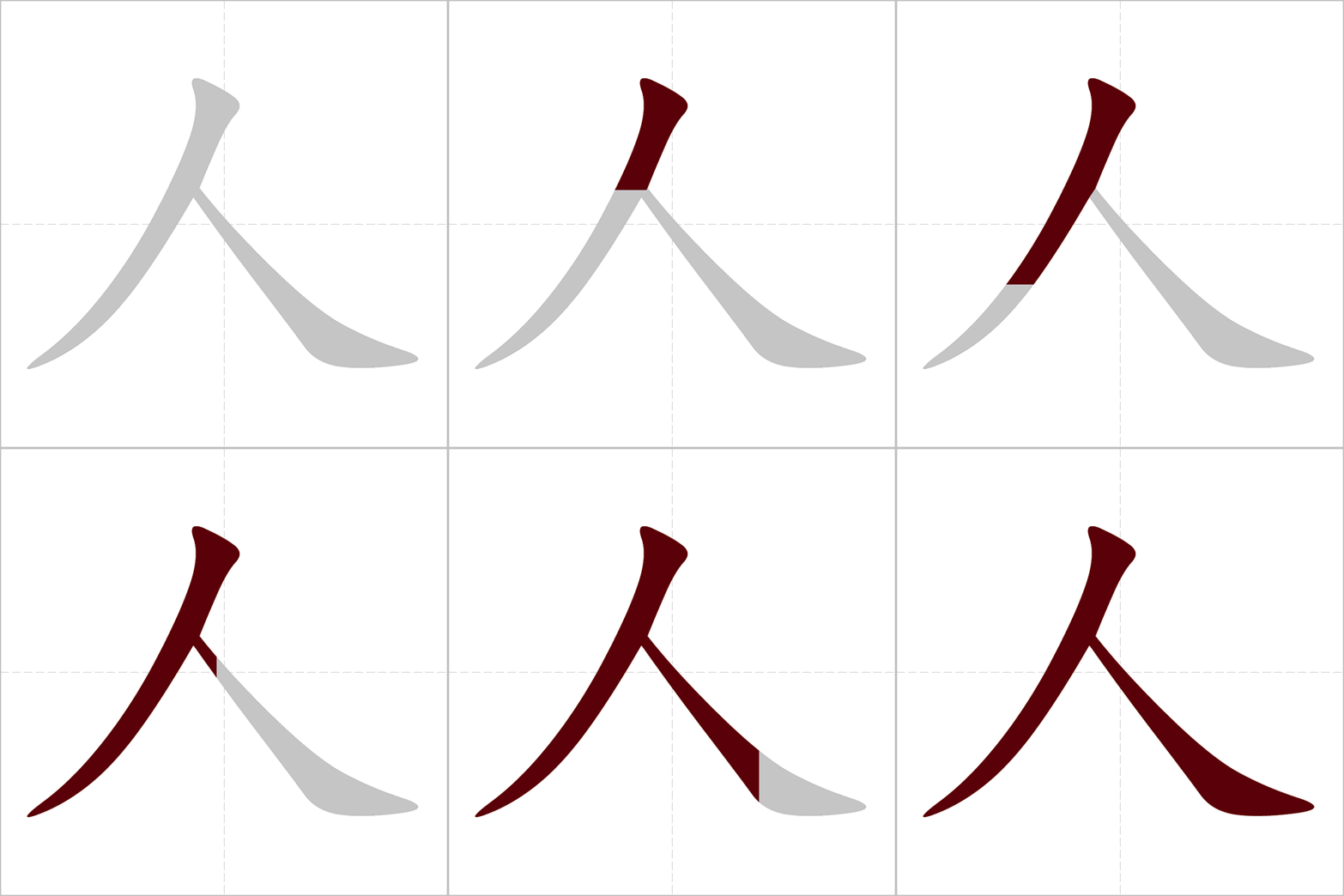
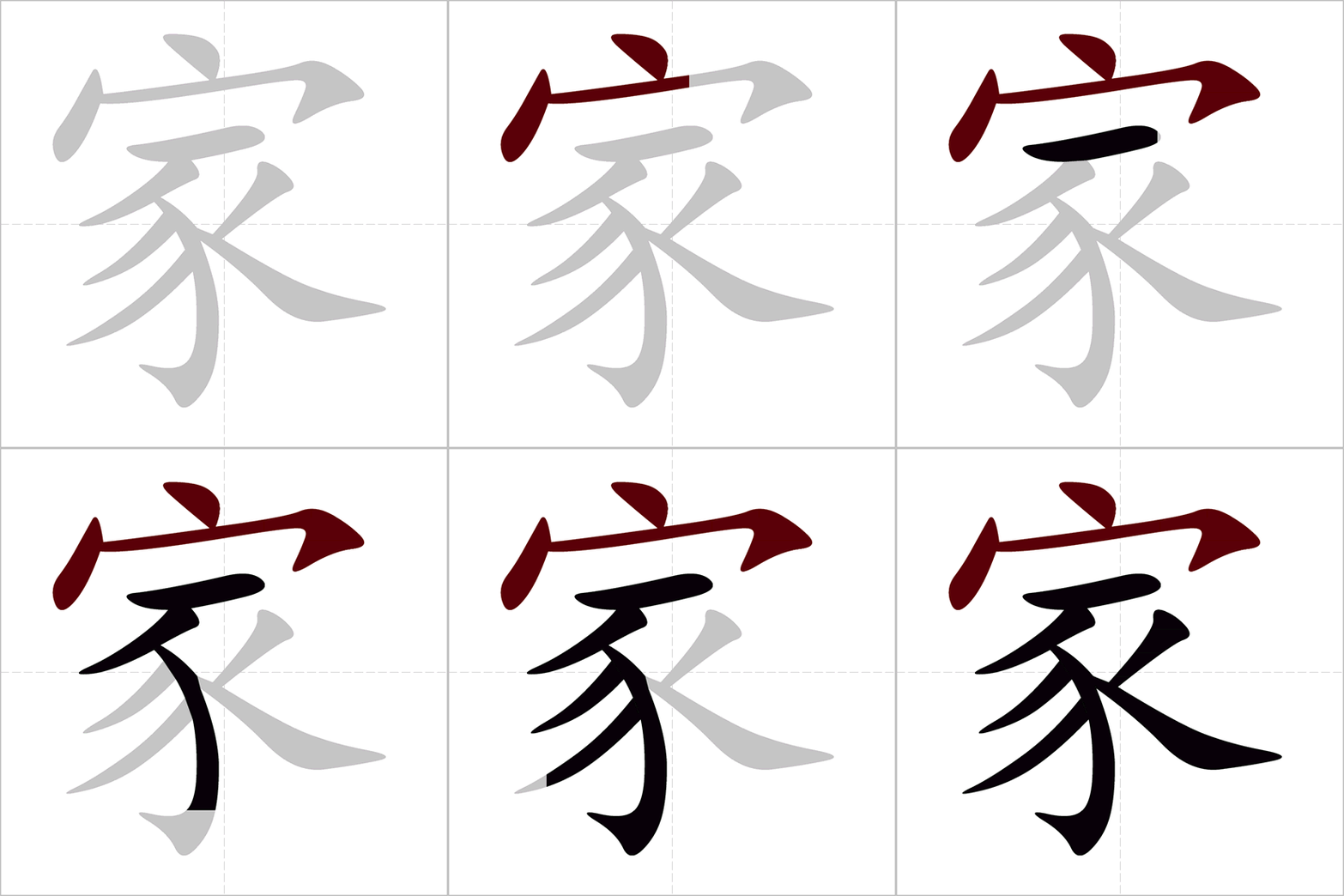
To understand the original meaning, let’s break down the characters:
- 人 (rén): This is a simple pictogram of a person standing, with legs and arms outstretched. Its meaning has remained consistent throughout history.

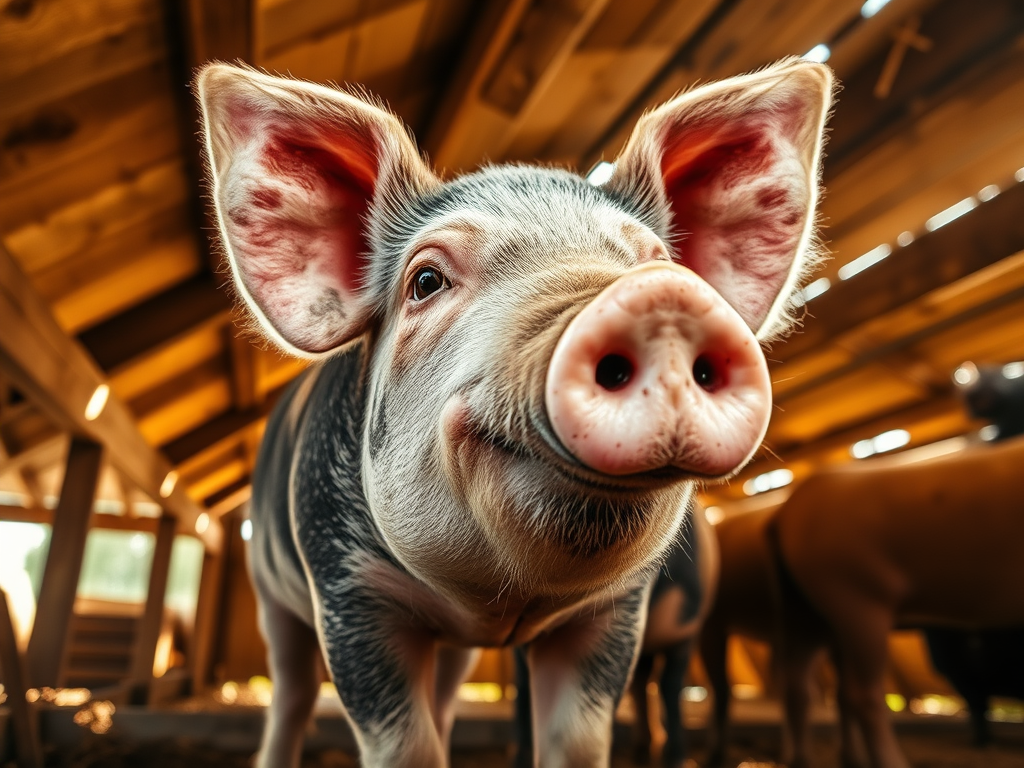
- 家 (jiā): This character originally depicted a pig under a roof. In ancient China, pigs were a significant part of the household, representing wealth and prosperity. The character 家 thus came to represent the concept of “family,” “home,” or “household.”
So, combining these original meanings, 人家 literally meant “people’s home” or “another person’s household.” This makes sense considering its modern usage, which still carries the sense of referring to someone else and their domestic sphere.
Over time, the meaning has expanded and become more nuanced, but the core idea of referring to others and their homes remains present in the word 人家.

 How to write Chinese