

没办法 (méi bànfǎ) means “no way” or “can’t be helped” in Chinese. To understand its original structure, let’s break down each character:
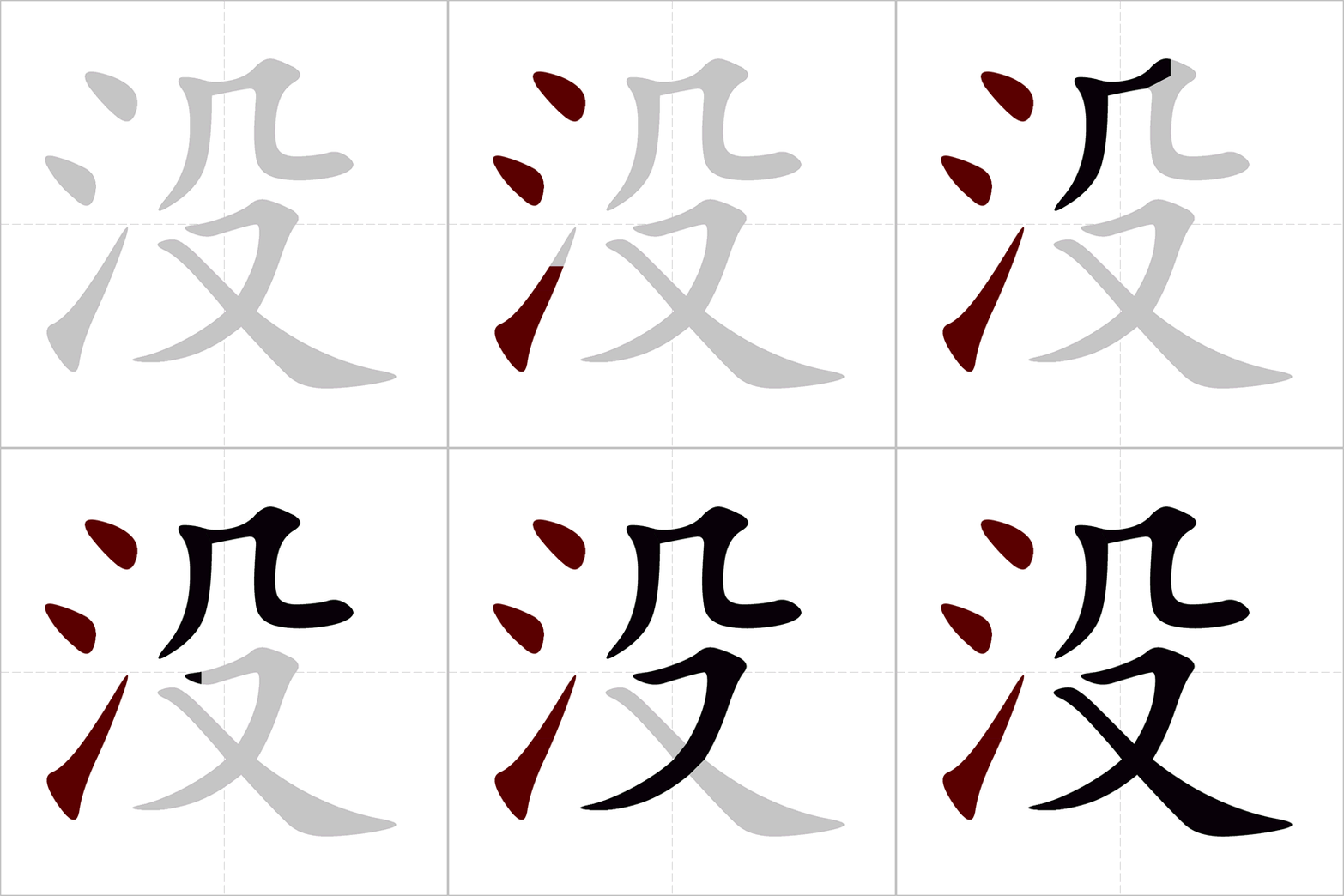
- 没 (méi): This character originated from the combination of two components: 水 (shuǐ – water) and 冘 (mò – to disappear). The original meaning was related to water disappearing or running out. This sense of something being absent or lacking evolved into the modern meaning of “not have” or “not.”

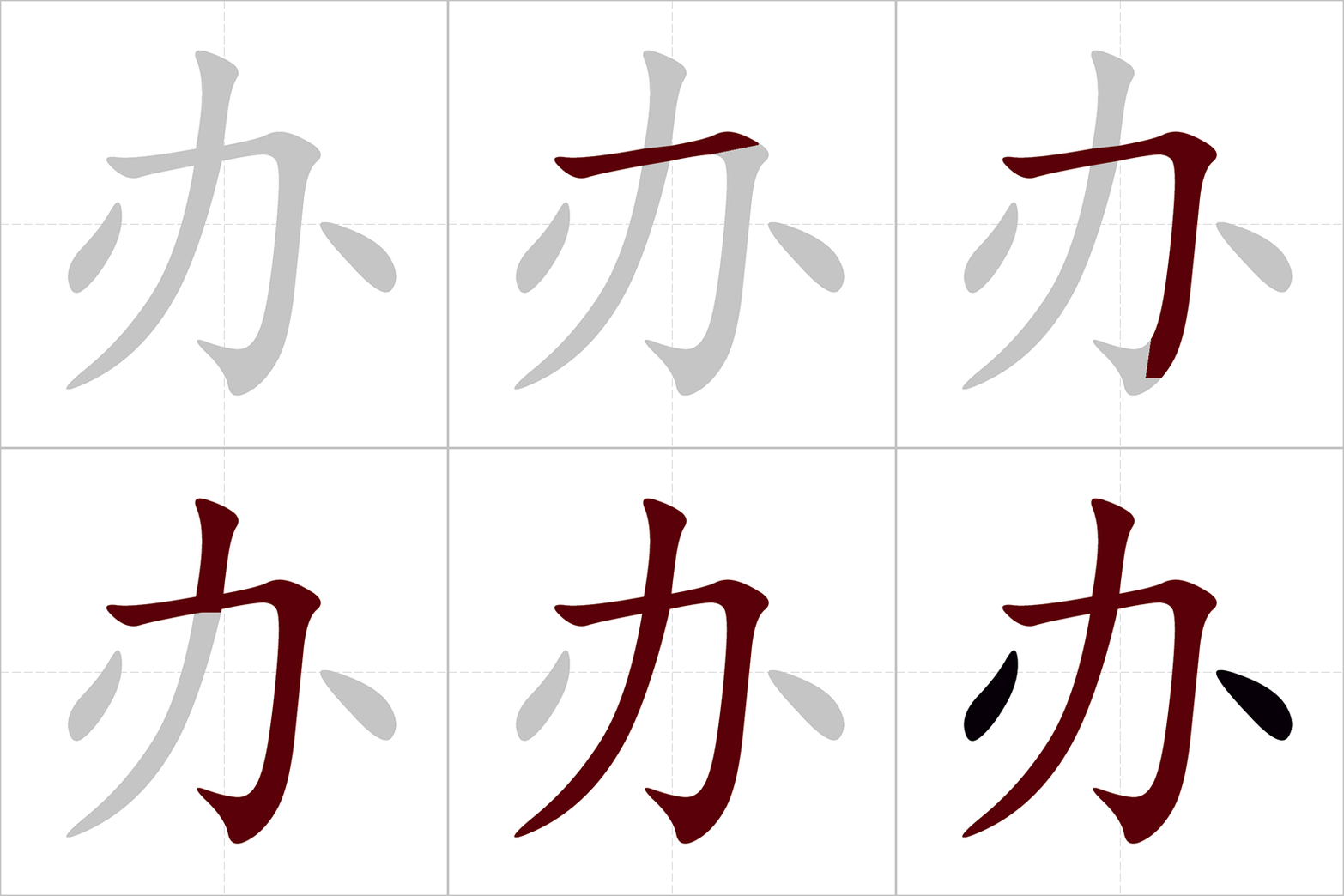
- 办 (bàn): This character is composed of two parts:
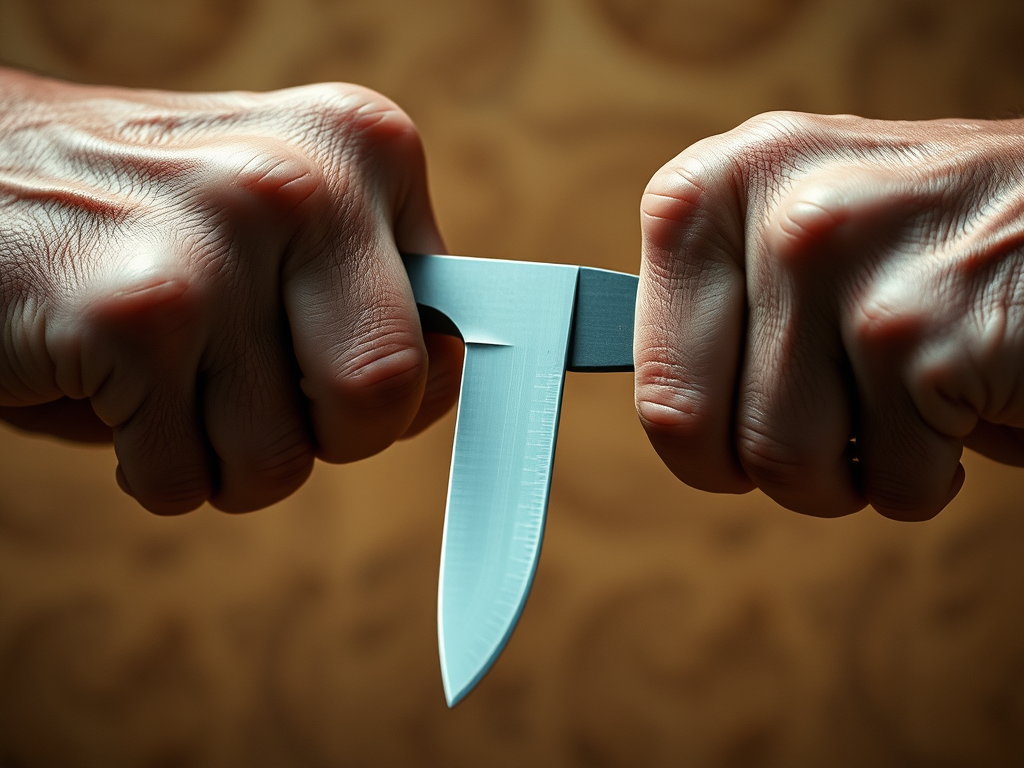
- 𠂊 (lì): originally depicted a hand holding a knife, symbolizing power and execution.
- 辛 (xīn): originally depicted a tool used for punishment, representing hardship or suffering.
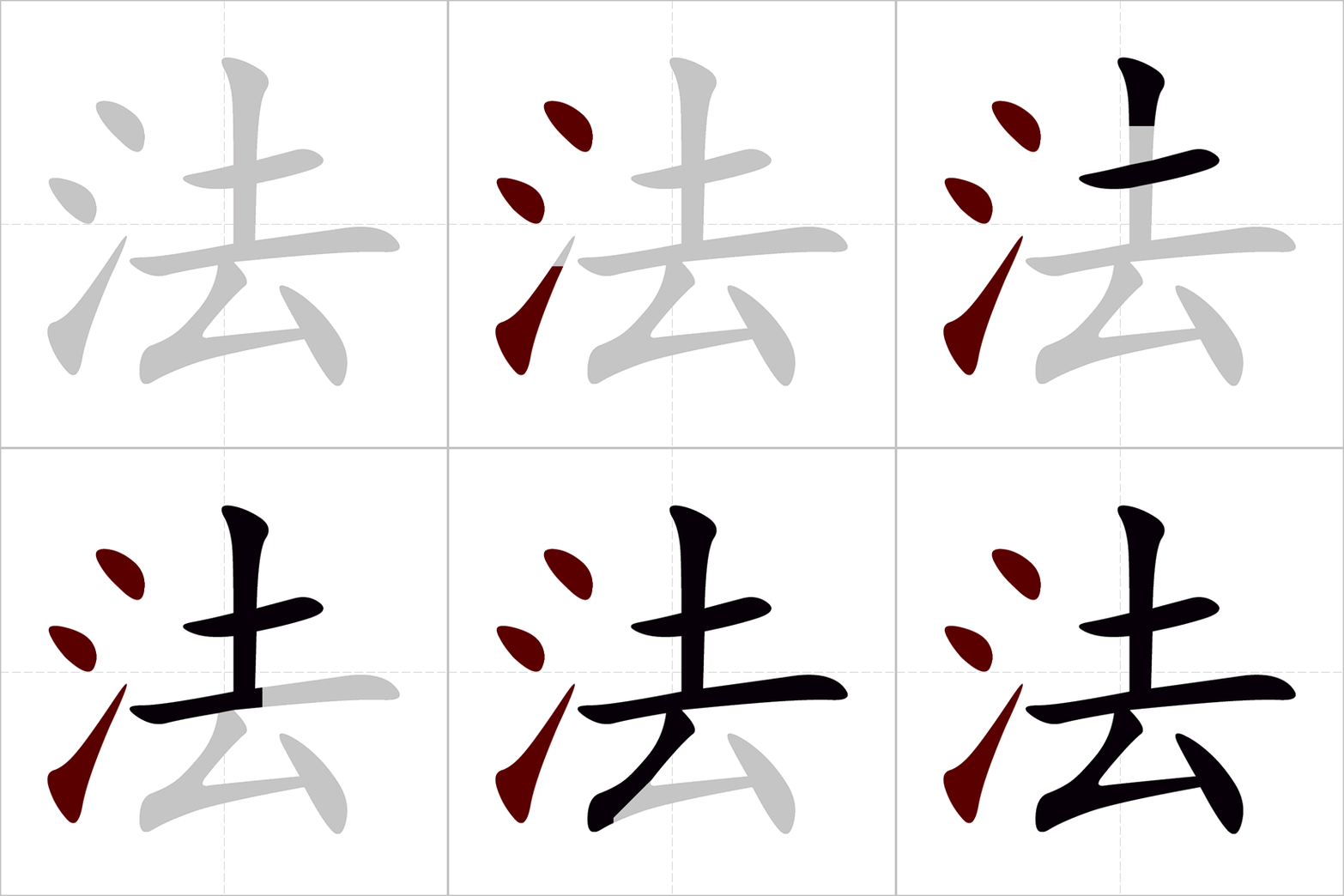
- 法 (fǎ): This character is also a combination of two elements:
- 氵 (shuǐ): represents water.
- 去 (qù): means “to go.”

Therefore, looking at the original structure, 没办法 literally translates to “not have the way to manage/handle (according to the rules/law).” This reflects the meaning of being unable to find a solution or method to deal with a situation, hence “no way” or “can’t be helped.”

 How to write Chinese