
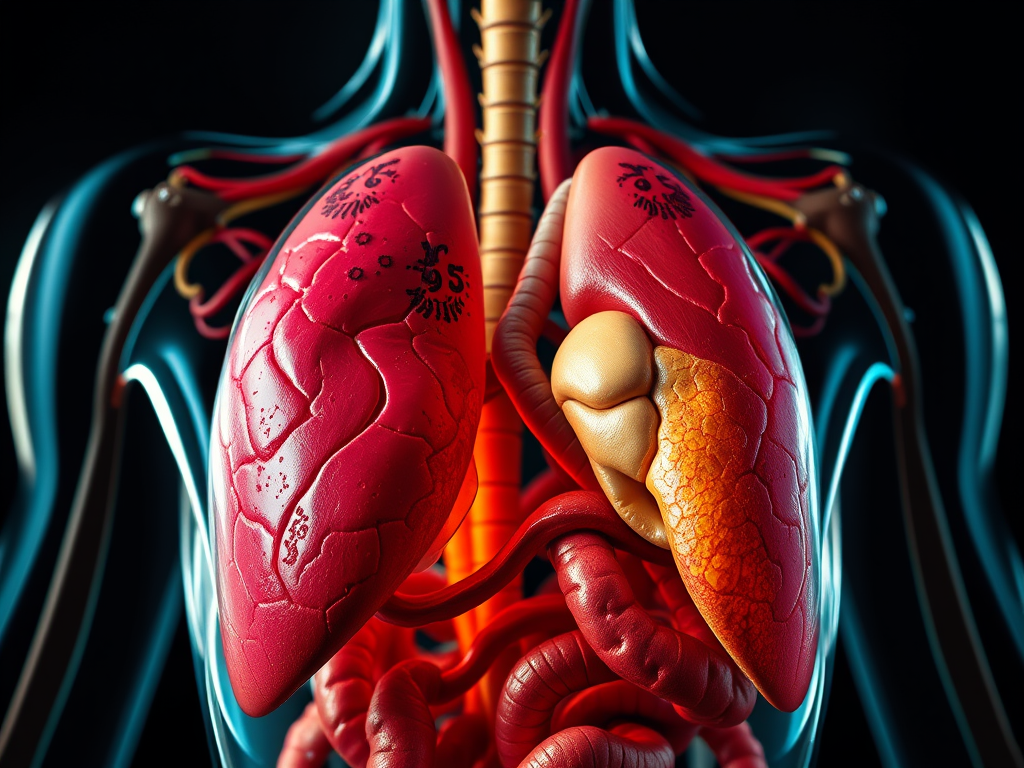
The Chinese character 脏 (zāng) meaning “dirty” or “filthy” has an interesting origin that reveals a deeper connection to the human body.

Here’s a breakdown of its original structure:
- ⺼ (ròu): This is the “meat radical,” often indicating parts of the body or things related to the flesh.
- 庄 (zhuāng): This component originally referred to a village or dwelling. However, in this context, it primarily serves as a phonetic component, giving a clue to the pronunciation.

Combining these elements, the original structure of 脏 suggests a meaning of “inner body” or “hidden flesh.” This likely relates to the ancient Chinese understanding of the internal organs as being hidden away and potentially susceptible to uncleanliness or disease.
Over time, the meaning of 脏 shifted from specifically referring to internal organs to encompass a broader sense of dirtiness or filth. This evolution reflects how the character’s meaning expanded from the physical body to a more general concept of uncleanliness.
Therefore, while the modern meaning of 脏 focuses on “dirty,” its original structure reveals a connection to the internal workings of the body and a more literal sense of “hidden flesh.”

 How to write Chinese