
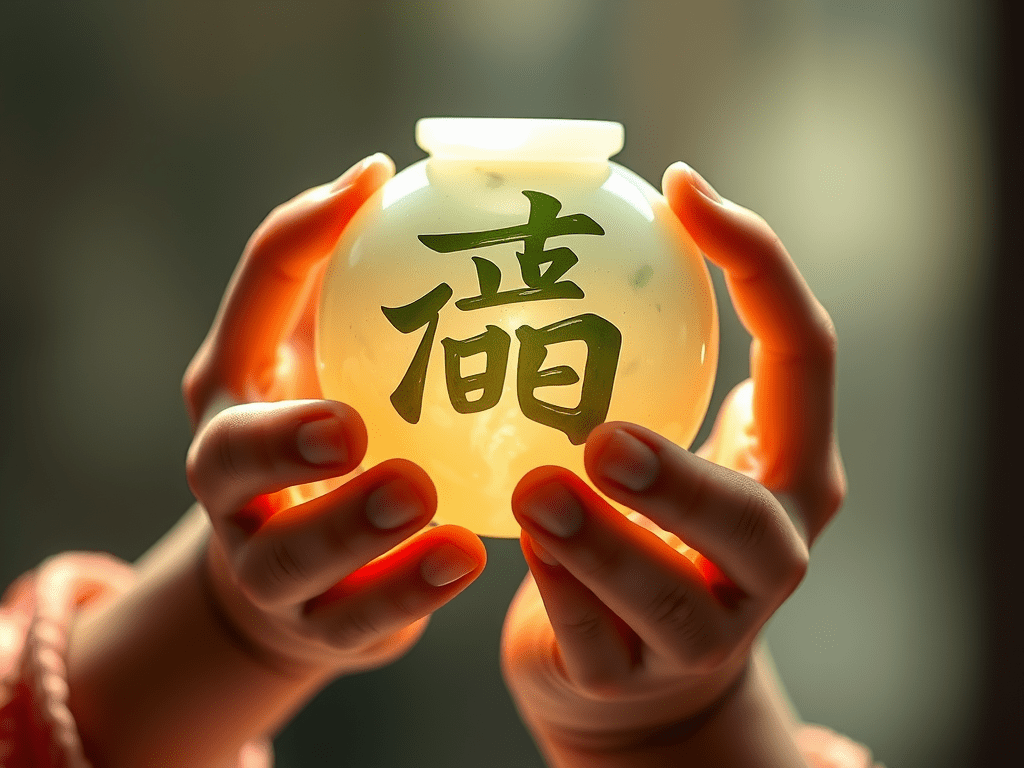
The Chinese character 弄 (nòng) has a fascinating evolution, and its original structure provides insight into its diverse meanings.
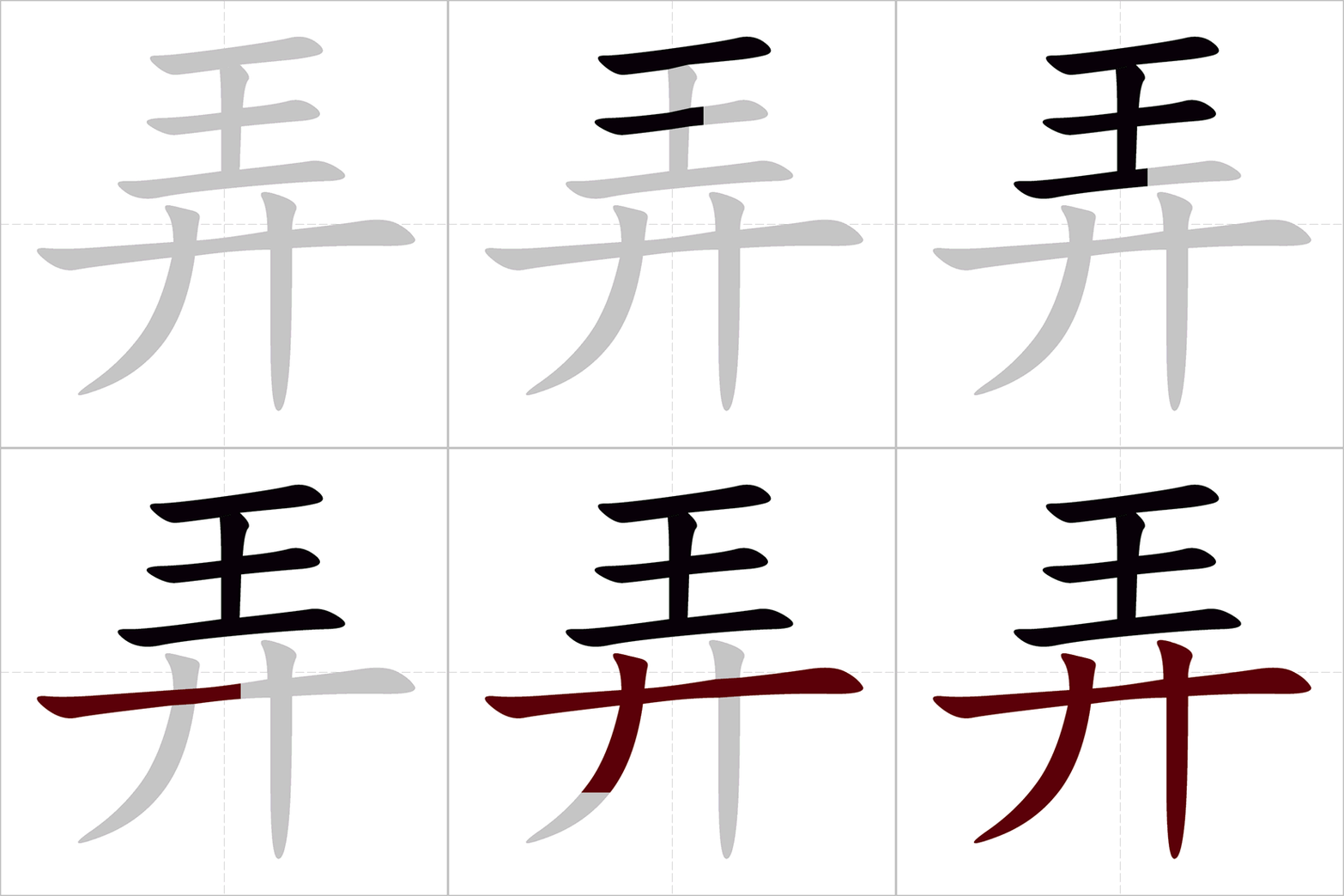
Here’s a breakdown:
- Original form: It depicted a hand holding a jade ornament with both hands. This symbolized careful handling, manipulation, or playing with something.
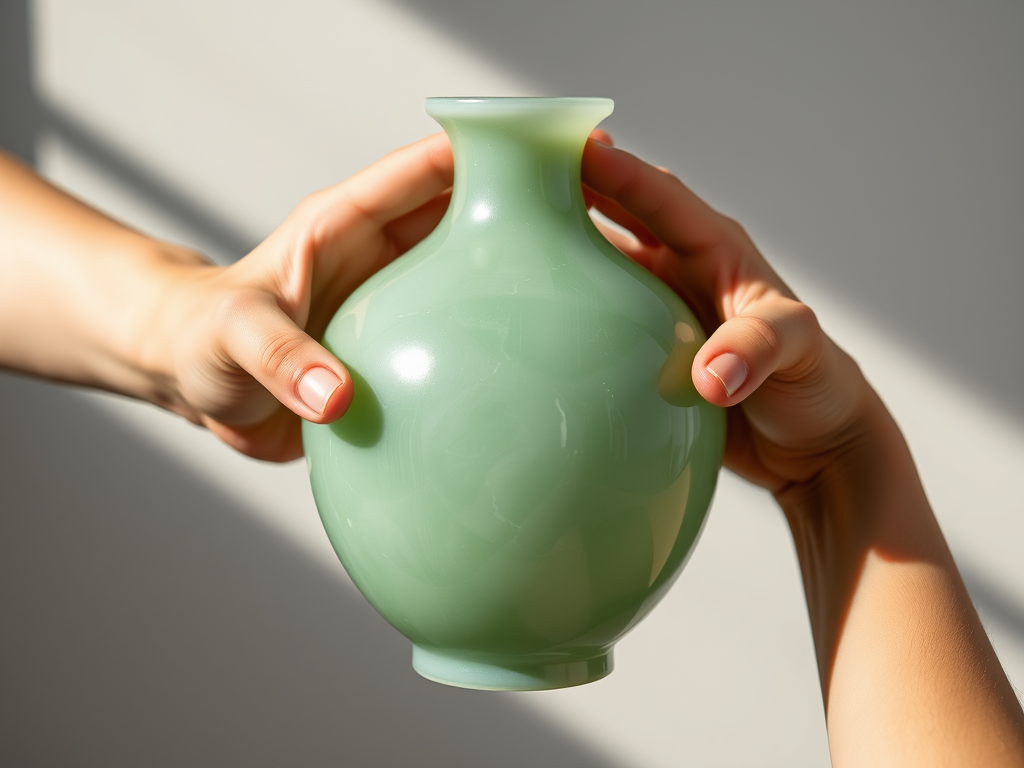
This core idea of “manipulating with hands” branched out into various meanings over time:
- To do, to make, to handle: This relates to the original sense of using hands to manipulate something. For example, 弄饭 (nòng fàn) means to prepare a meal.
- To play with, to trifle with: This emphasizes the playful aspect of handling something. 弄璋 (nòng zhāng) is a classical phrase celebrating the birth of a boy.
- To make a mess, to cause trouble: This stems from the idea of mishandling something and causing unintended consequences. 弄坏 (nòng huài) means to break or damage something.
- To get, to obtain: This likely evolved from the idea of manipulating things to achieve a desired outcome. 弄到 (nòng dào) means to obtain or acquire something.
Even though 弄 has acquired various meanings, they all trace back to the original concept of using hands to interact with and manipulate something. This evolution showcases the dynamic nature of Chinese characters and how their meanings can expand and adapt over time.

 How to write Chinese