

晕车 (yùnchē), meaning “motion sickness” or specifically “carsickness,” is a compound word composed of:
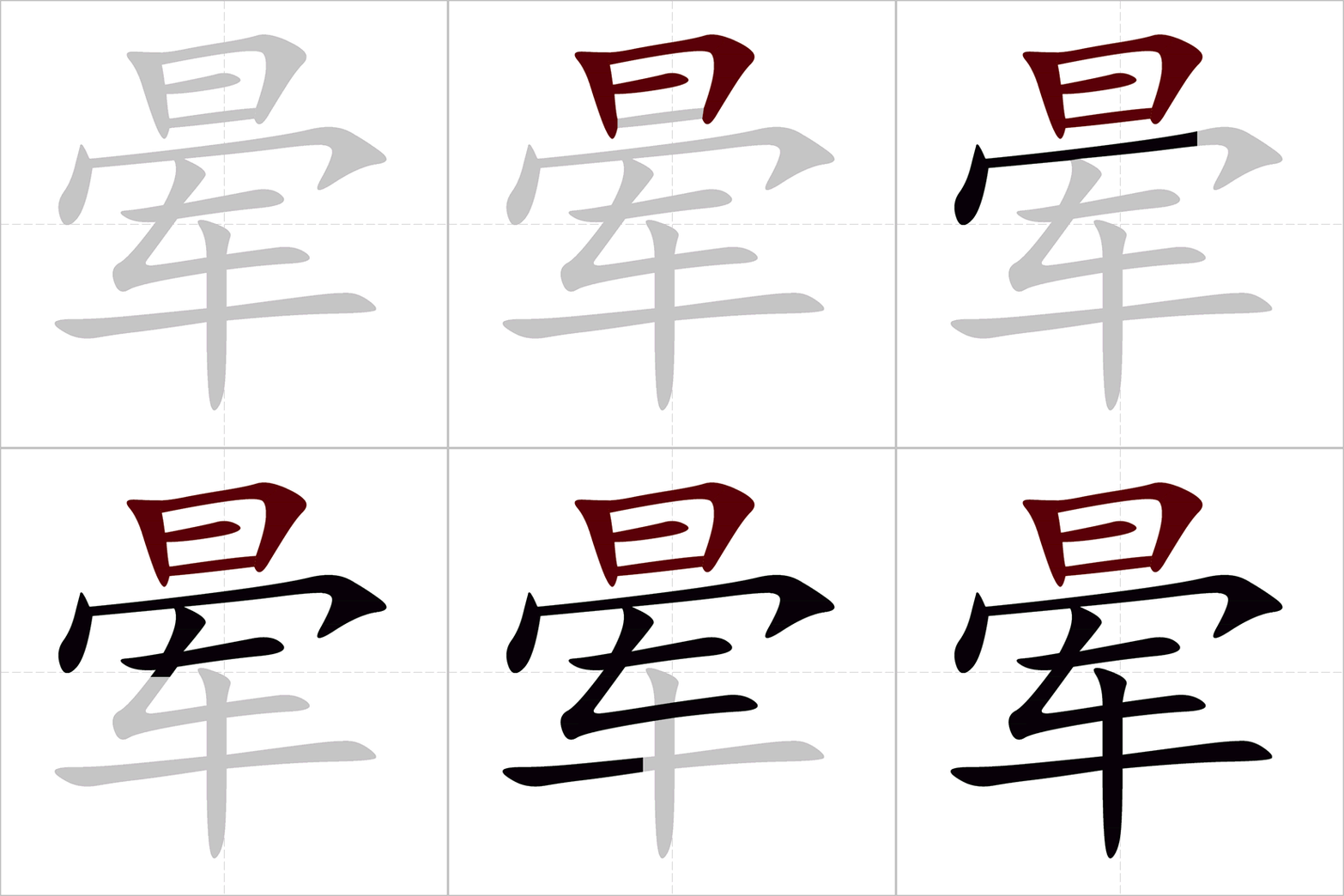
- 晕 (yūn): This character originally depicted a swirling cloud pattern. It evolved to represent dizziness, fainting, or a loss of consciousness. This relates to the feeling of disorientation and nausea associated with motion sickness.
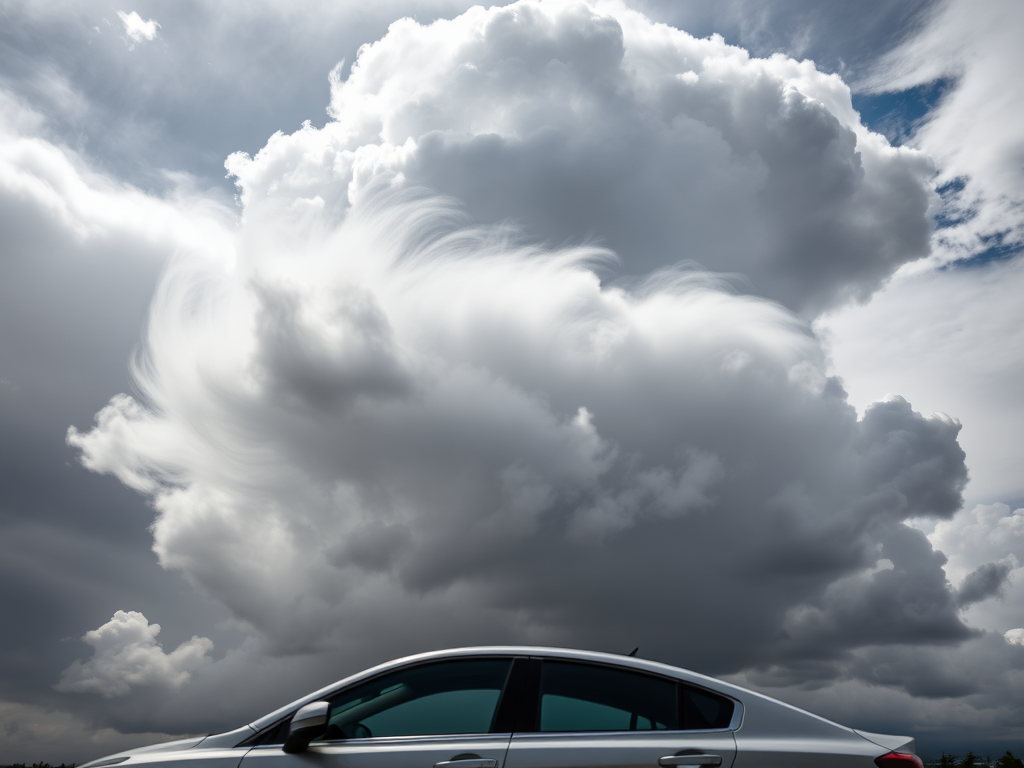
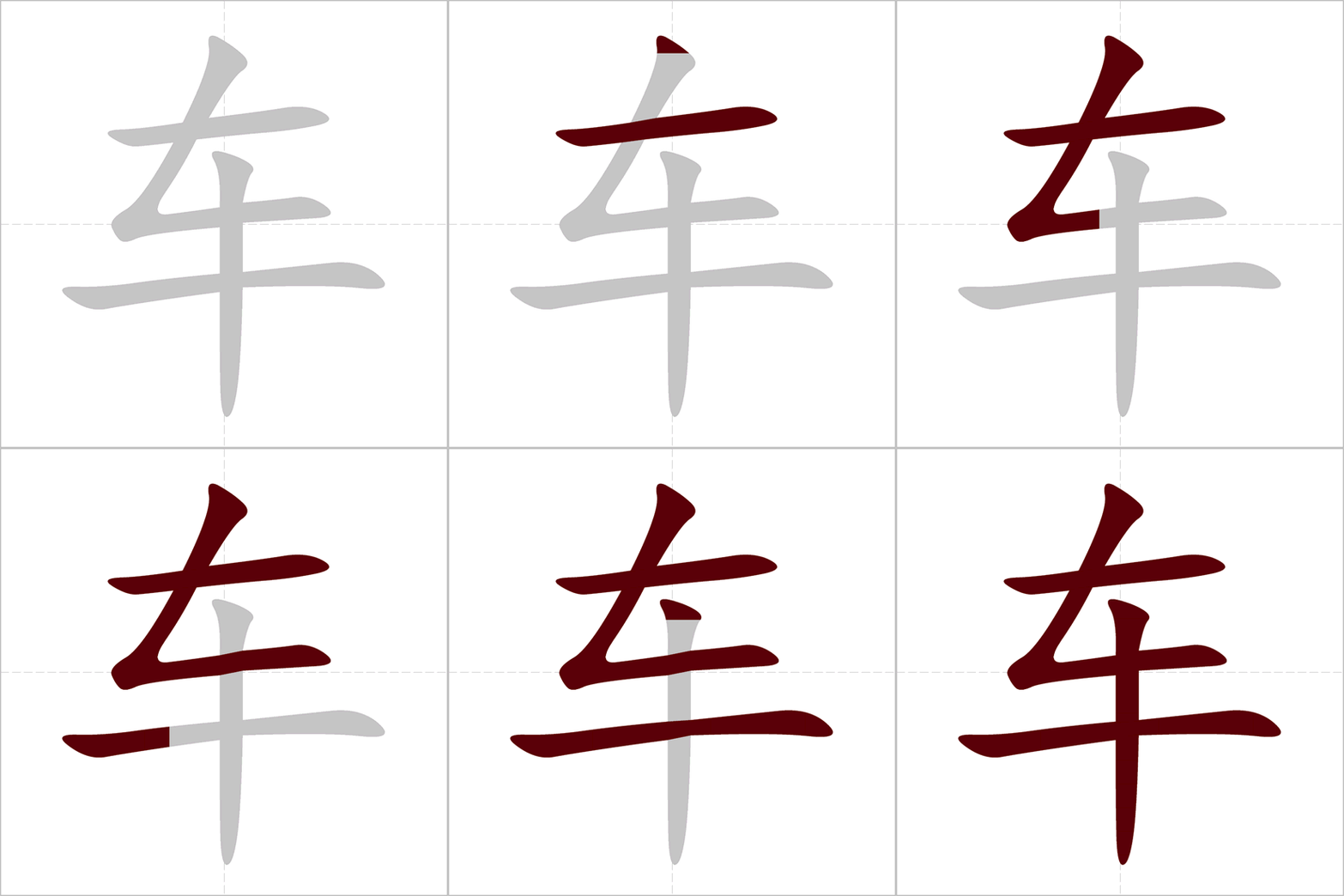
- 车 (chē): This is a pictograph of a vehicle with two wheels, and it broadly represents any mode of transportation, although most commonly a car in modern usage.

Therefore, the original structure of 晕车 literally paints a picture of “dizziness in a vehicle.” It combines the visual imagery of swirling clouds (representing the feeling of dizziness) with the concept of a vehicle, resulting in the specific meaning of motion sickness experienced while traveling.
This example demonstrates how Chinese characters often combine concrete imagery with abstract concepts to create new meanings.

 How to write Chinese