

放假 (fàngjià), meaning “to have a holiday/vacation” or “to go on holiday,” combines:
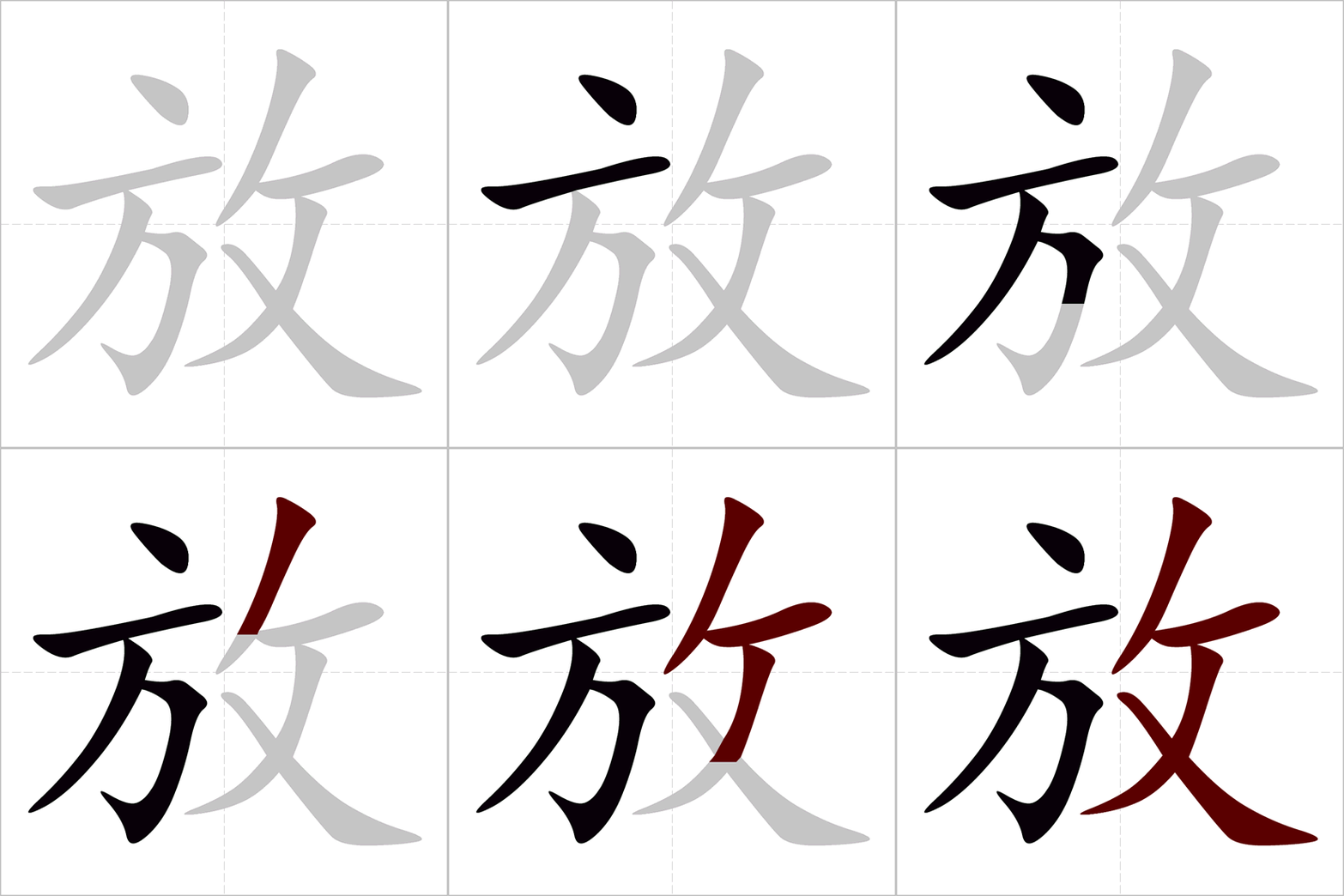
- 放 (fàng): Originally depicted a hand releasing a bird. It signifies to release, to let go, or to set free.

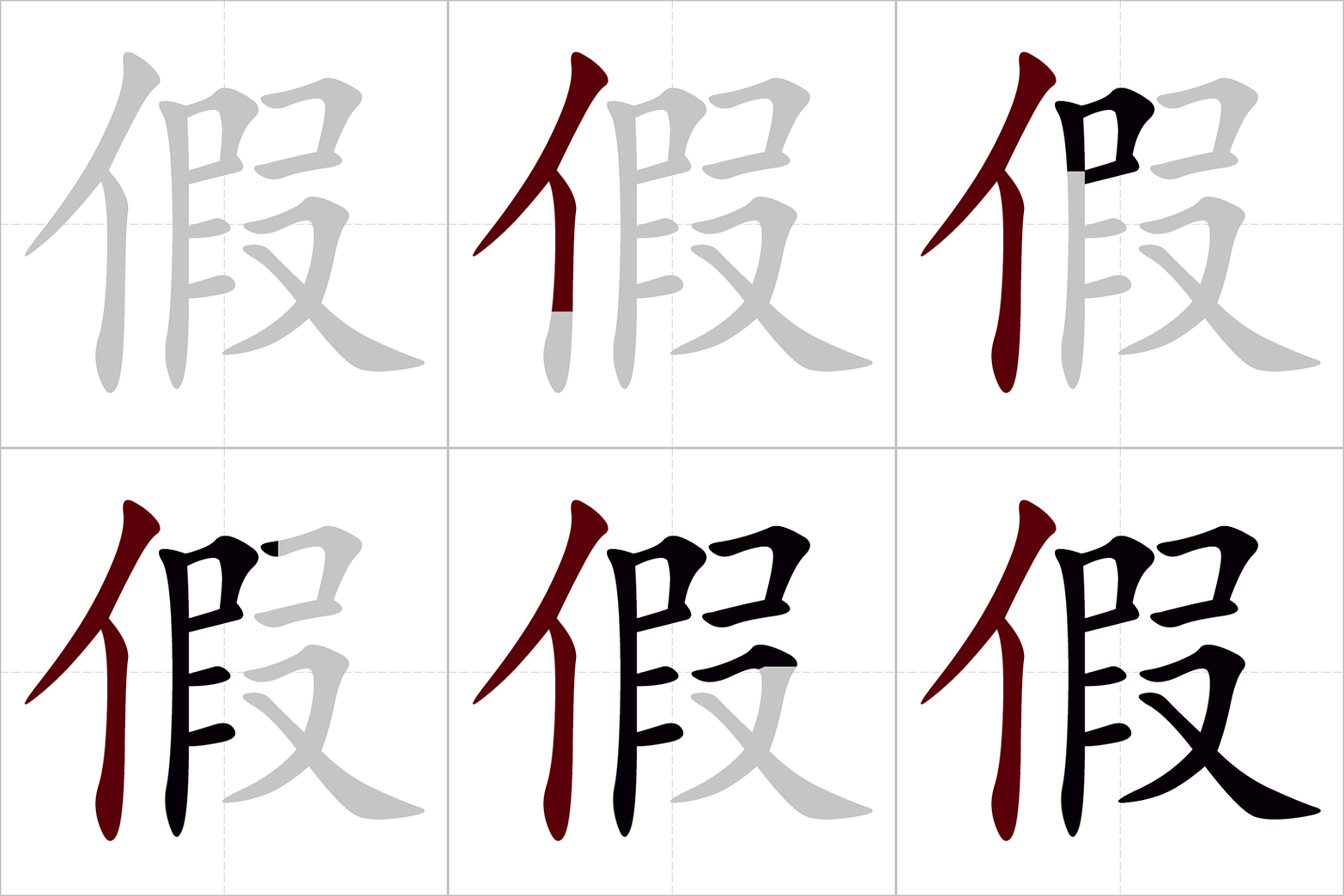
- 假 (jià): This character has a complex origin, possibly related to “person” and “borrowing.” In this context, it refers to something temporary, not real, or an imitation. Think of it like a “borrowed” time away from usual duties.
Therefore, the original structure of 放假 implies “releasing from the false” or “setting free from the unreal.” This reflects the idea of taking a break from routine work or study, temporarily suspending “real life” to enjoy leisure time.
This etymology highlights the temporary and somewhat illusory nature of holidays – a break from the ordinary, a time set apart.

 How to write Chinese