

跌打损伤 (diēdǎ sǔnshāng) is a four-character idiom in Chinese that describes injuries related to falls, blows, and sprains. Each character contributes to the overall meaning, painting a vivid picture of the types of injuries it encompasses. Let’s break down the original meaning of each character’s structure:
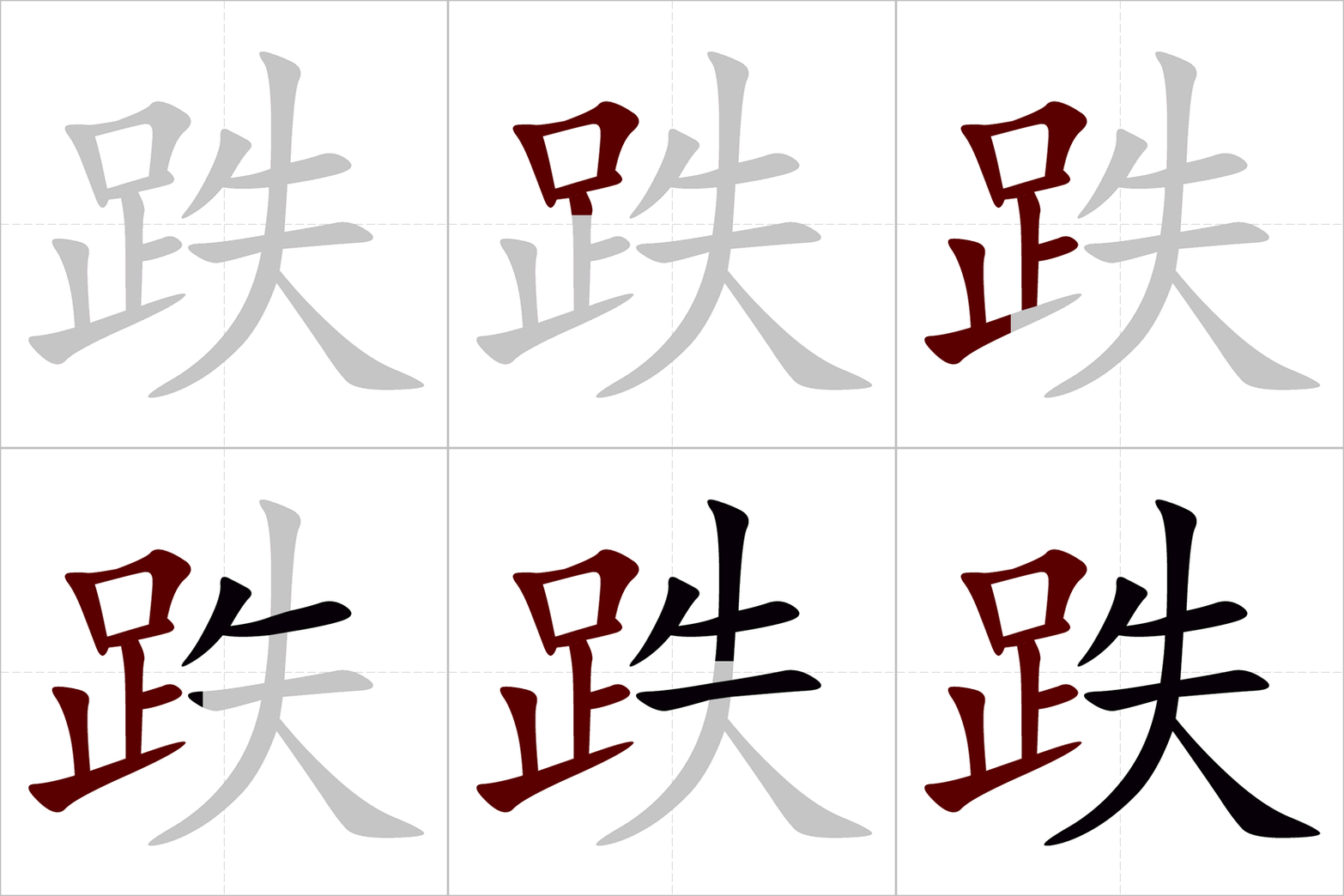
跌 (diē):
- Early form: Depicted a person tripping and falling.
- Original meaning: To fall, to tumble, to stumble.
- Evolution: The visual representation of a person falling clearly conveyed the concept of losing one’s balance and falling to the ground.

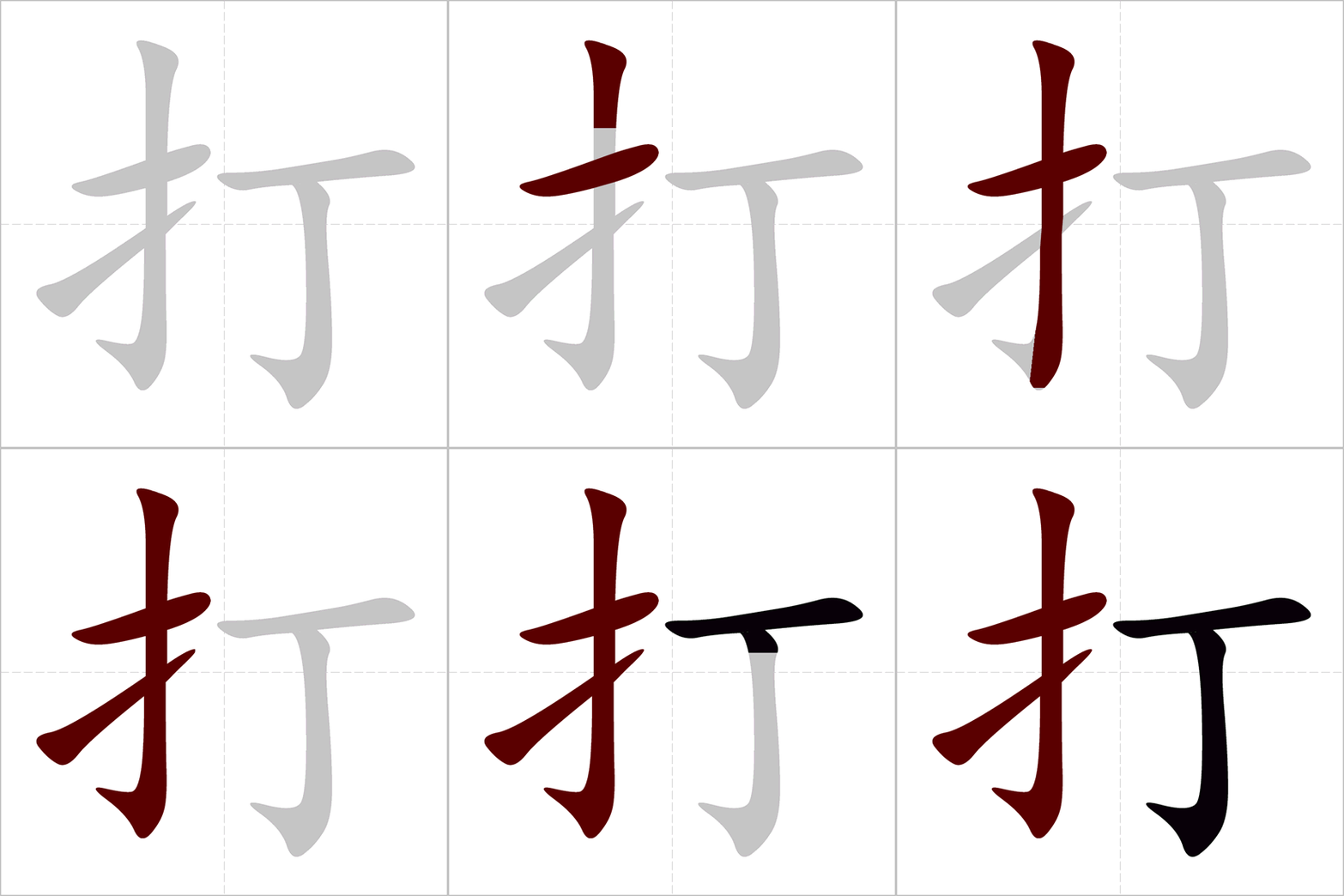
打 (dǎ):
- Early form: Showed a hand hitting or striking something.
- Original meaning: To hit, to strike, to beat.
- Evolution: The image of a hand delivering a blow conveyed the action of forcefully impacting something.

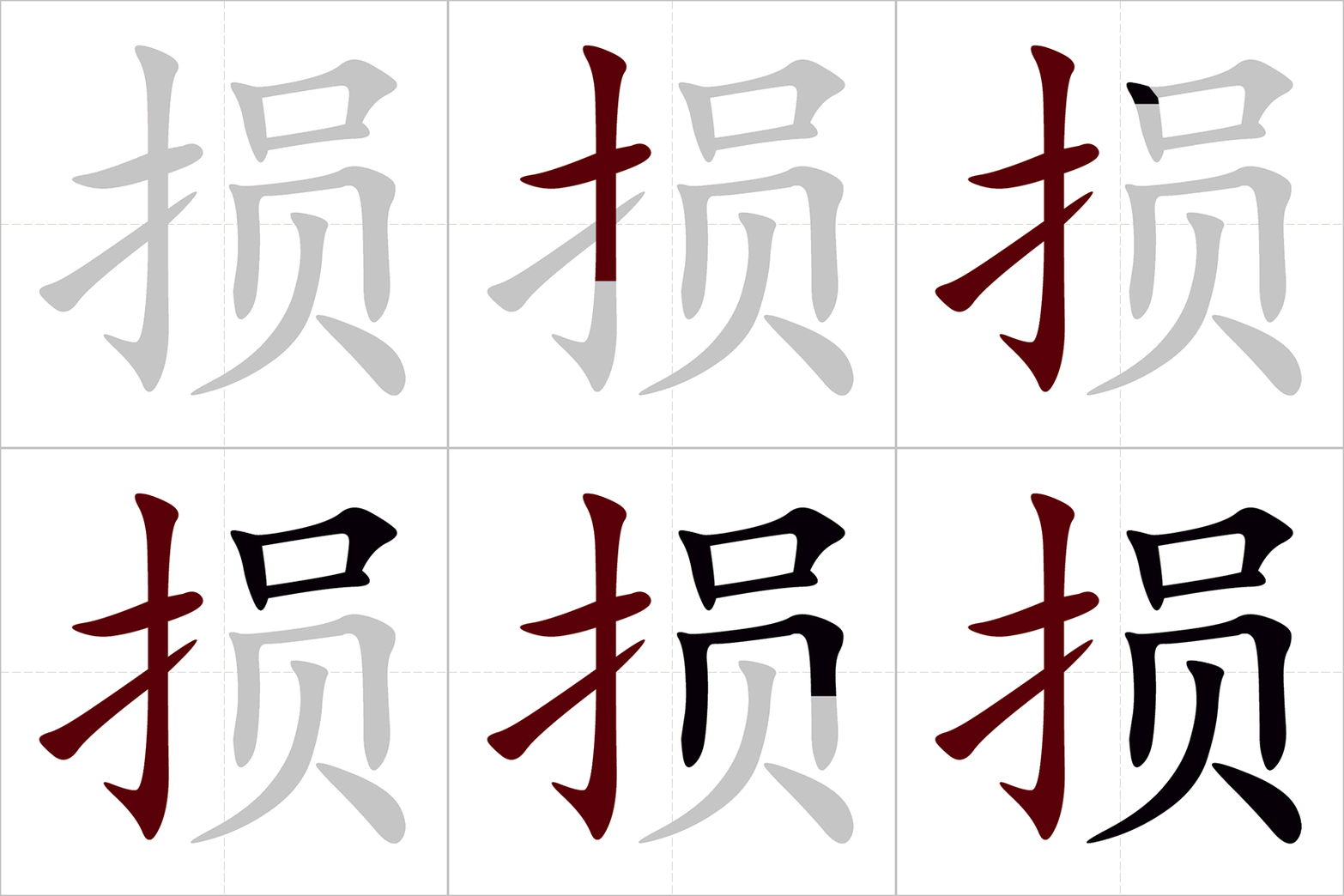
损 (sǔn):
- Early form: Depicted a hand using a tool to diminish or damage something.
- Original meaning: To damage, to harm, to decrease.
- Evolution: The visual of reducing or harming something extended to the concept of loss, injury, or impairment.

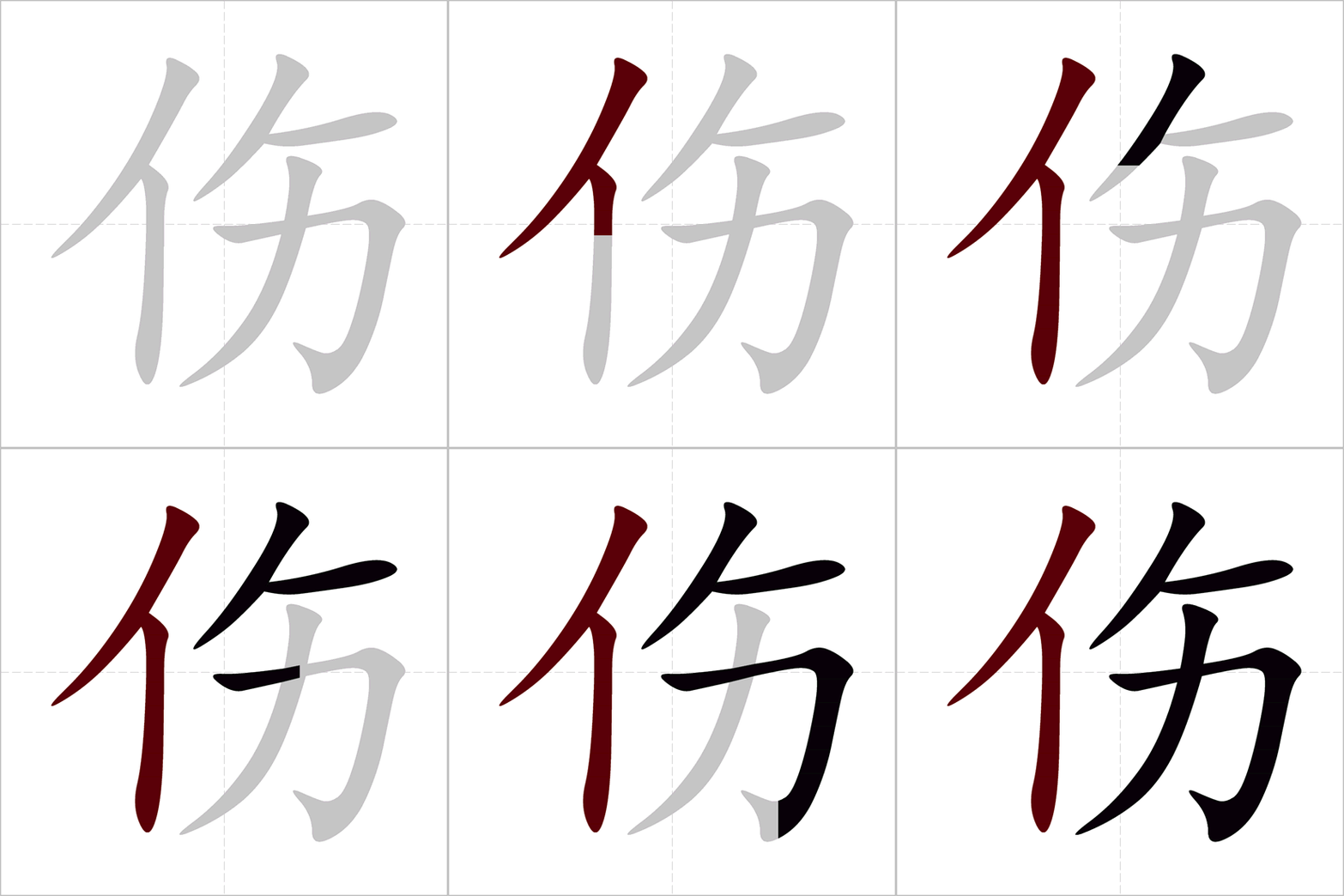
伤 (shāng):
- Early form: Showed a person with an injury or a weapon piercing the body.
- Original meaning: Injury, wound, to injure.
- Evolution: The visual representation of harm to the body clearly conveyed the concept of physical injury.

Combining these, 跌打损伤 (diēdǎ sǔnshāng) paints a comprehensive picture of:
- Injuries resulting from falls, blows, and damage: It covers a range of physical harm caused by various external forces, including falling, being struck, and experiencing damage or impairment to the body.
The idiom effectively captures the different types of injuries that can occur to the musculoskeletal system, encompassing falls, blows, sprains, and fractures.
It’s interesting how this idiom combines specific actions (跌, 打) with the resulting consequences (损, 伤) to create a holistic description of such injuries.
To explore further, you could consult:
- 《說文解字》(Shuowen Jiezi): This ancient dictionary provides explanations of character structures and their original meanings.
- Traditional Chinese medicine texts: These resources often discuss 跌打损伤 in detail, explaining its causes, symptoms, and treatments within the framework of TCM.
I hope this explanation helps you appreciate the visual and conceptual depth of this idiom, commonly used in everyday language and Traditional Chinese Medicine!

 How to write Chinese