
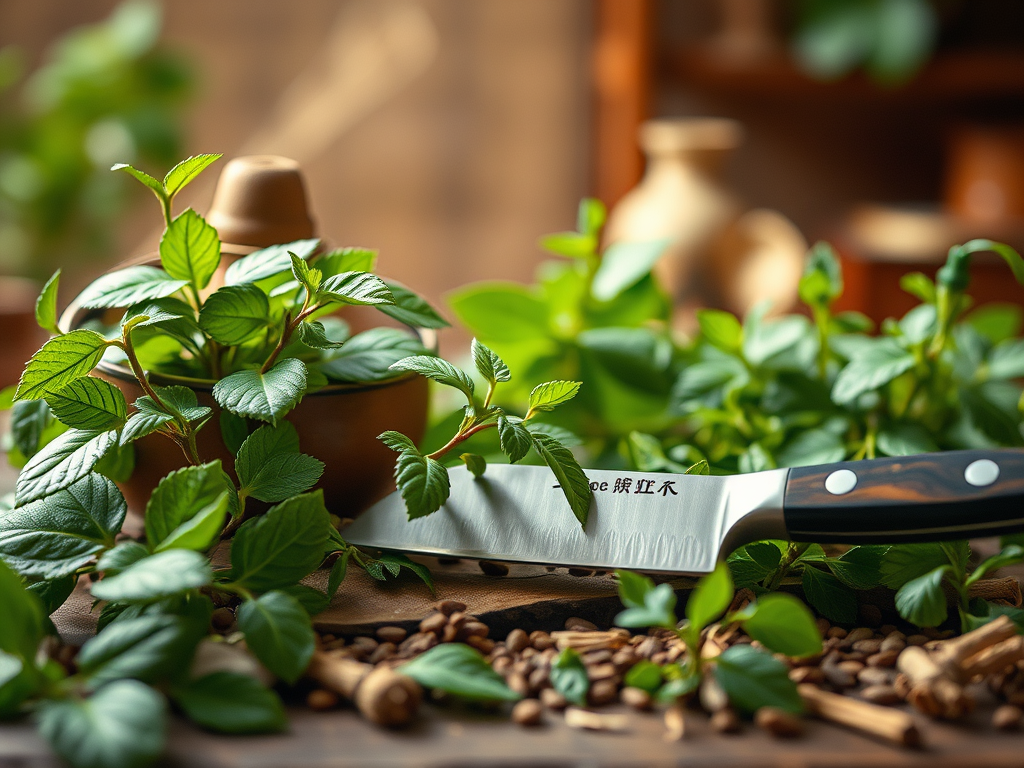
The Chinese character 药 (yào), meaning “medicine” or “drug,” has a complex origin with a fascinating link to music and healing. Let’s break down its components and explore its possible original meaning:

- 艸 (cǎo): This radical, now simplified as 艹, represents grass or plants. This makes sense as many early medicines were derived from herbs and plants.
- 樂 (yuè/lè): This component is where things get interesting. It originally depicted a wooden frame with bells or chimes used in ancient music and rituals. It represents music, joy, and harmony.

Combining these elements, the original meaning of 药 likely conveyed:
- Plants used for healing and harmony: The “plants” radical combined with “music/joy” suggests that early medicines were not just seen as physical remedies but also as a way to restore harmony and balance within the body and spirit.
- Medicinal plants with magical properties: Music and rituals were often intertwined with healing practices in ancient China. The character might have conveyed the belief that certain plants had magical or spiritual properties that could bring about healing and well-being.
Therefore, 药 captured a holistic view of medicine, encompassing both the physical and spiritual aspects of healing.
Over time, the meaning evolved to encompass:
- Medicines and drugs: This remains the core meaning, referring to substances used for treating illnesses and ailments.
- Poisons: This meaning likely arose from the understanding that certain plants, while potentially healing, could also be harmful or toxic if used incorrectly.
To delve deeper into the evolution of 药, you could consult:
- 《說文解字》(Shuowen Jiezi): This ancient dictionary provides explanations of character structures and original meanings, stating that 药 represents “plants for treating illness” and has a sound related to 樂.
- Historical texts on Traditional Chinese Medicine: These resources could offer insights into the ancient practices of using plants and music for healing, and how the concept of 药 developed within that context.
I hope this explanation helps you appreciate the rich history and multifaceted nature of this character, connecting medicine, plants, and music in a fascinating way!

 How to write Chinese