

止痛药 (zhǐtòngyào), meaning “painkiller,” is a three-character compound word where the meaning is derived from the combined meanings of its individual components. Let’s analyze each character:

止 (zhǐ):
- Early form: Depicted a foot.
- Original meaning: To stop, to halt, to cease.
- Evolution: While the connection to “foot” might seem unclear, some scholars suggest it originally conveyed the idea of stopping movement or coming to a standstill.

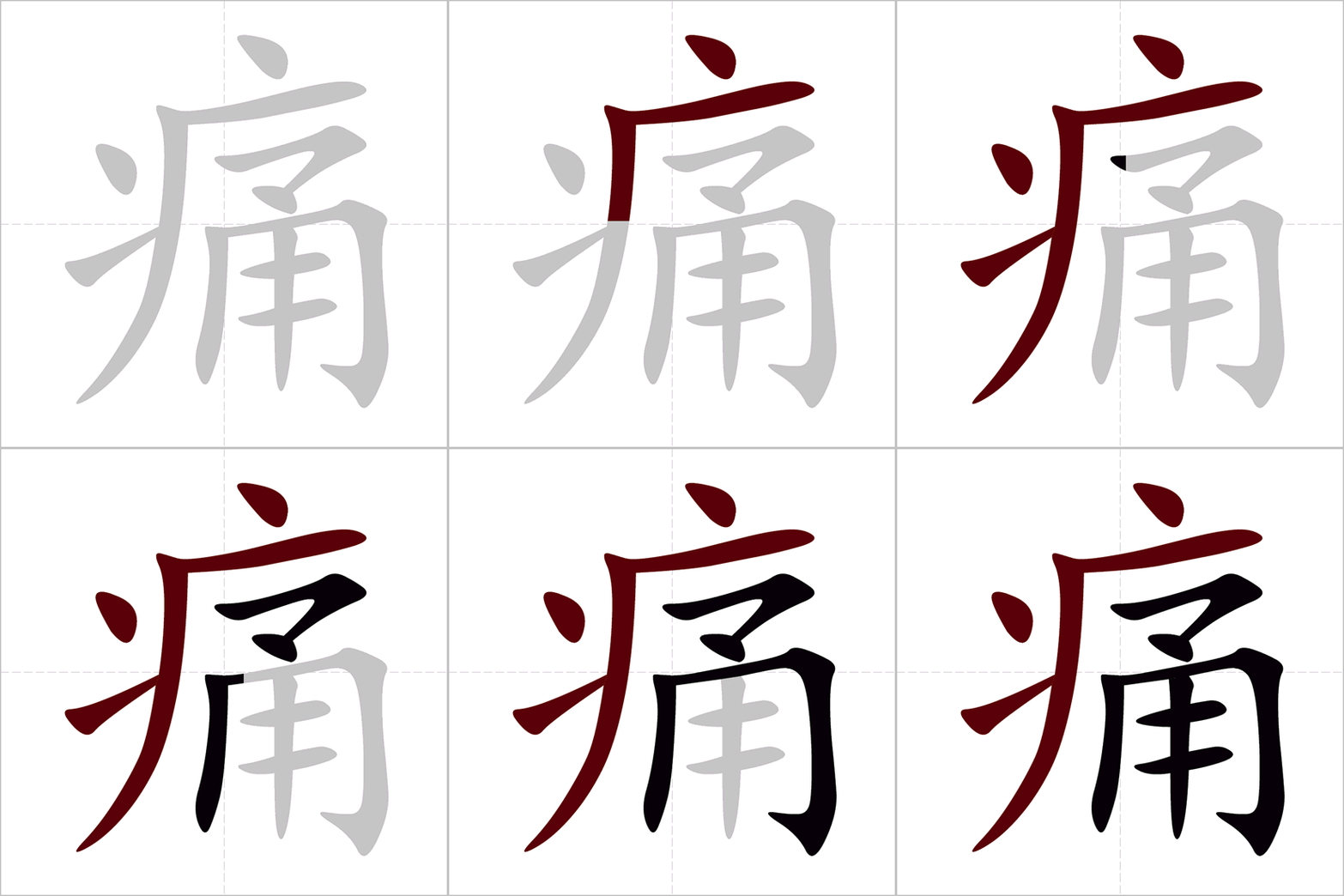
痛 (tòng):
- Early form: Showed a body with a tool or weapon piercing it, indicating injury or suffering.
- Original meaning: Pain, ache, suffering.
- Evolution: The visual representation of bodily harm clearly conveyed the concept of physical or emotional pain.

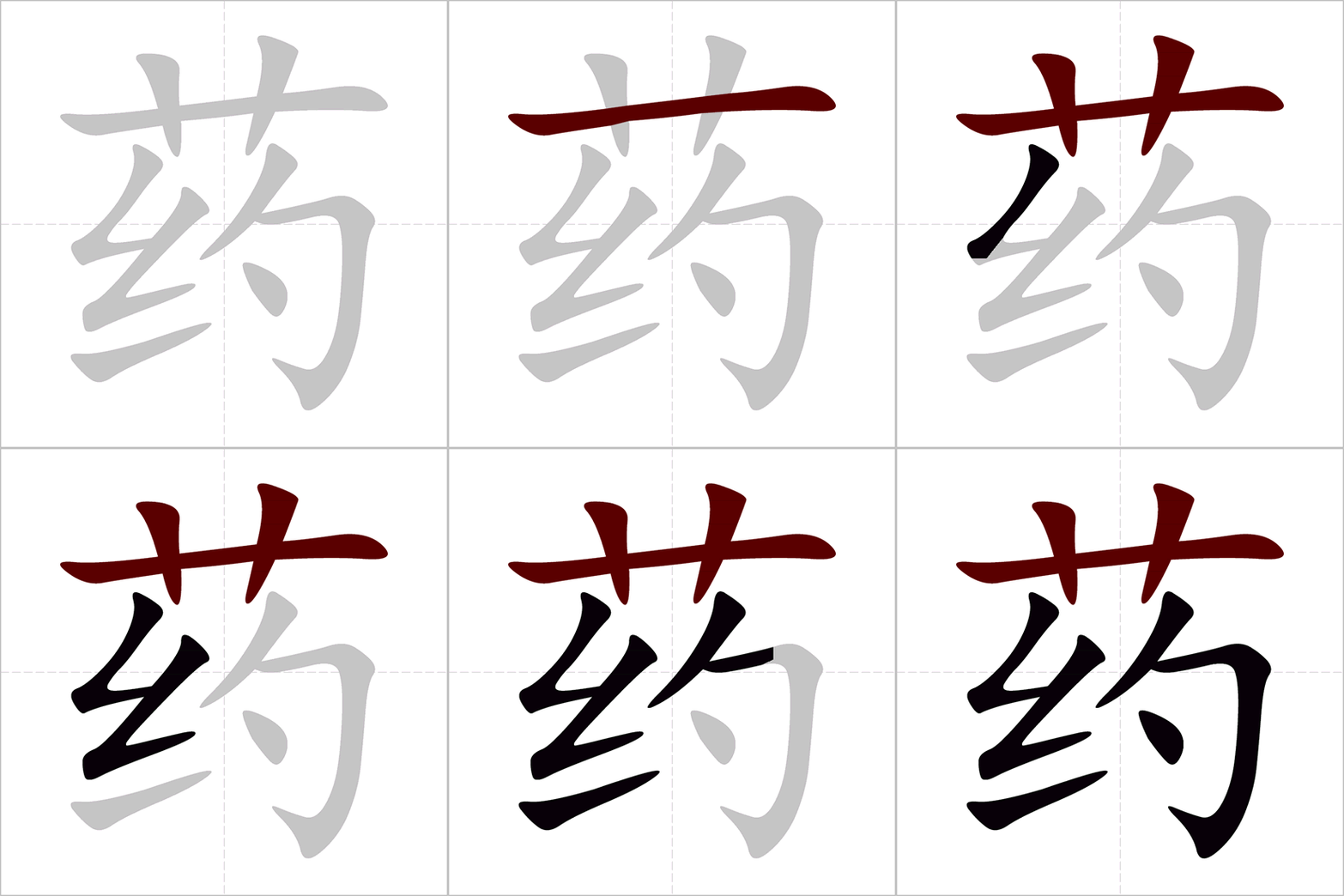
药 (yào):
- Early form: Combined the “grass/plants” radical (艸) with the component for “music/joy” (樂).
- Original meaning: Plants used for healing and harmony.
- Evolution: It evolved to encompass medicines and drugs used for treating illnesses.

Combining these, 止痛药 (zhǐtòngyào) creates a clear meaning:
- Medicine that stops pain: The characters “stop” (止), “pain” (痛), and “medicine” (药) literally translate to “stop-pain-medicine,” accurately describing the function of a painkiller.
This compound word effectively conveys the purpose of this type of medication: to alleviate or eliminate pain. It’s a straightforward and descriptive term.
It’s interesting how the word reflects a combination of stopping (止), a negative sensation (痛), and a healing solution (药).
To explore further, you could consult:
- 《說文解字》(Shuowen Jiezi): This ancient dictionary provides explanations of character structures and their original meanings.
- Traditional Chinese medicine texts: These resources might offer insights into how pain was perceived and treated in ancient China, and the types of herbal remedies used for pain relief before modern painkillers.
This explanation hopefully provides a better understanding of the combined meanings and descriptive nature of this commonly used word!

 How to write Chinese