

The Chinese word 另外 (lìngwài) meaning “separate,” “other,” or “in addition,” is a fascinating example of how meaning evolves over time. It’s formed by combining two characters, each with its own history:
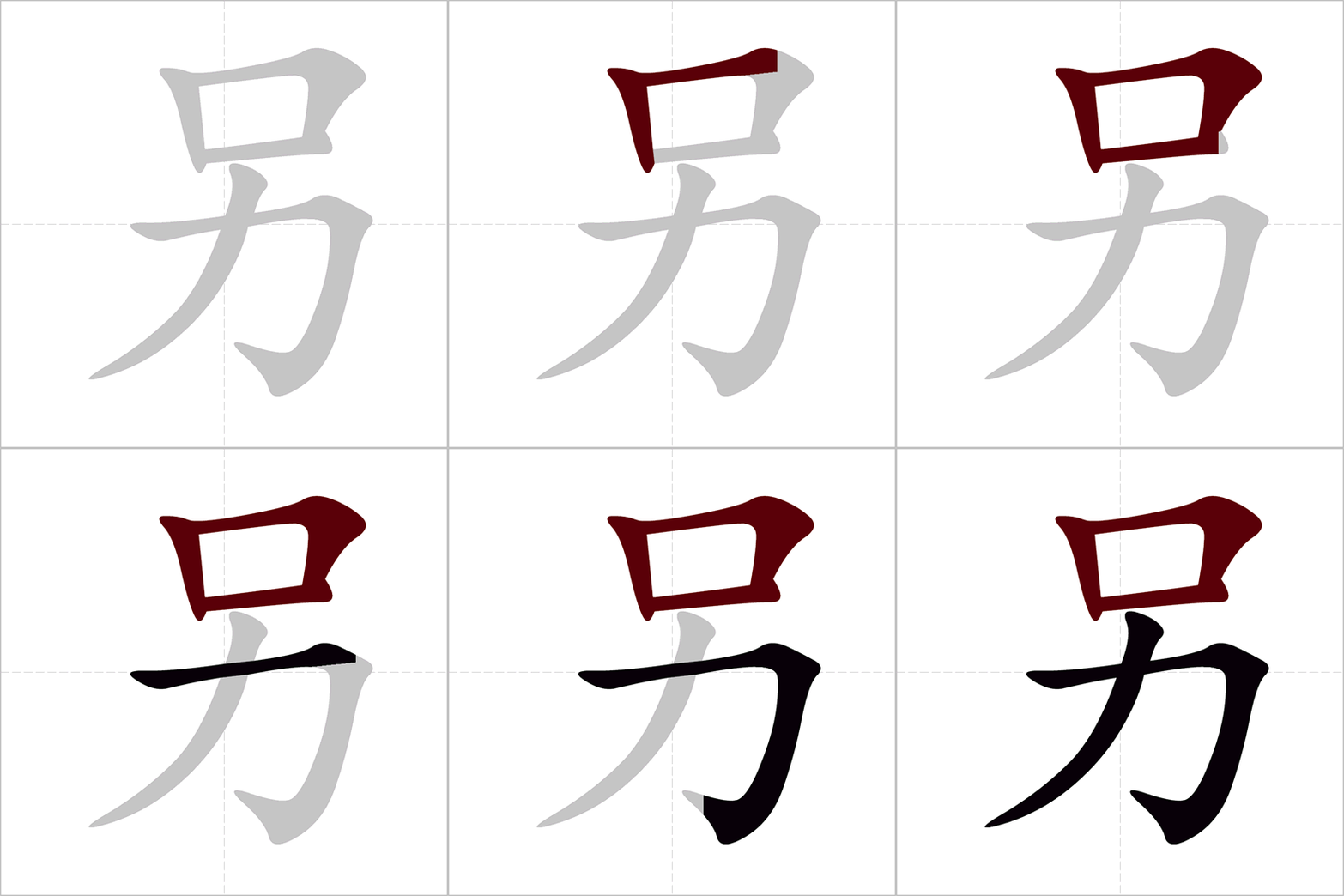
另 (lìng):
- Early form: Depicted a bird with outstretched wings, potentially representing a different path or direction.
- Original meaning: Separate, different, other, another.
- Evolution: The image of a bird diverging from a flock likely led to the idea of something being distinct or separate.

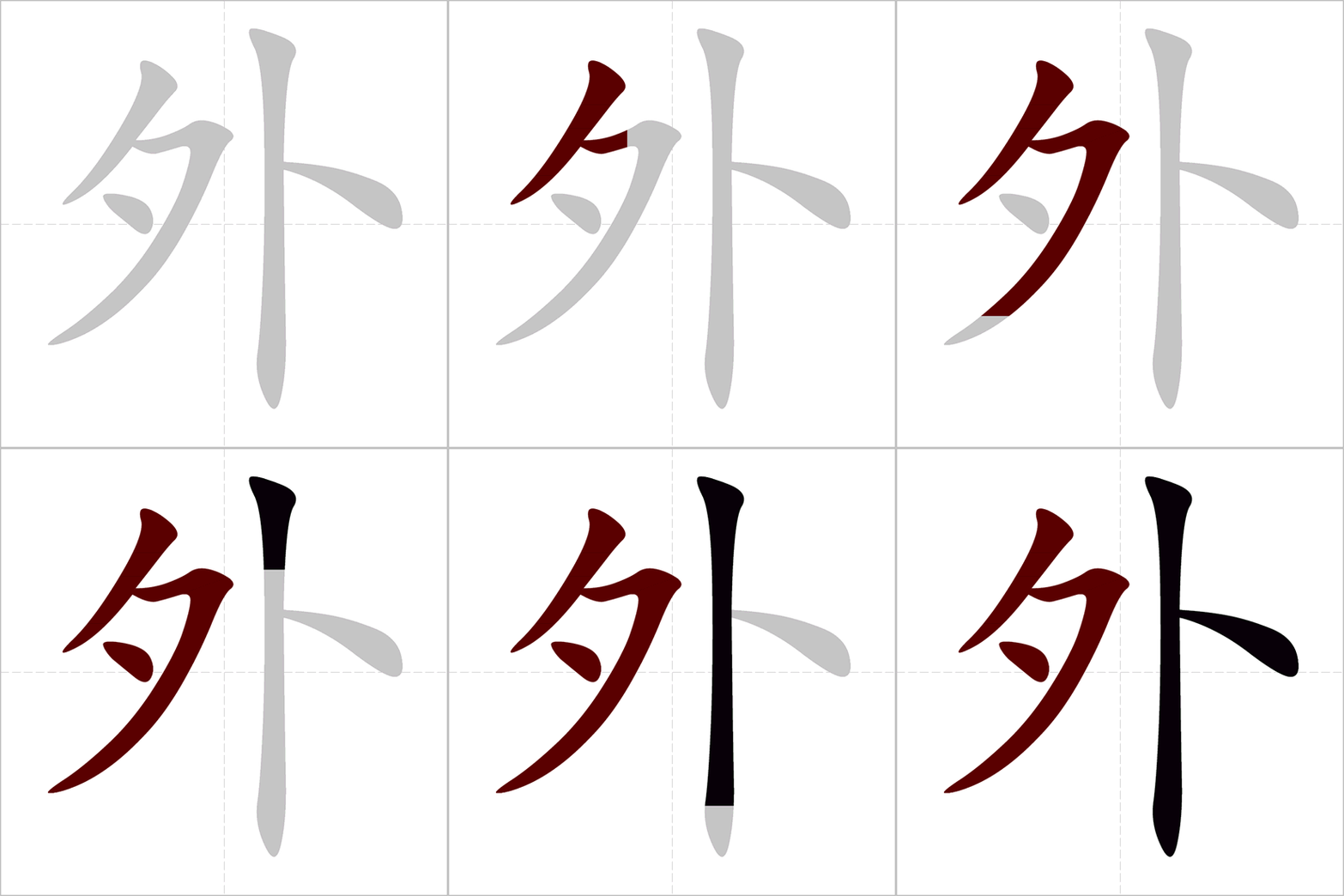
外 (wài):
- Early form: Showed a person standing outside a doorway or entrance.
- Original meaning: Outside, external, foreign.
- Evolution: The visual of being outside a defined space extended to concepts of being separate, different, or beyond a boundary.

Combining these, 另外 (lìngwài) originally conveyed:
- A separate or different path: The “bird diverging” (另) and “outside” (外) imagery suggests something being distinct, apart, or taking a different direction.
- Something beyond the usual or expected: It implies a deviation from the norm or an alternative option.
Therefore, 另外 emphasized the idea of separation, distinction, and exploring alternatives.
Interestingly, both characters individually carry the notion of “separate” or “different,” but their combination reinforces and strengthens this concept, adding a nuance of going beyond the initial or primary option.
To explore further, you could consult:
- 《說文解字》(Shuowen Jiezi): This ancient dictionary can provide more details on the original forms and meanings of 另 and 外.
- Historical texts and literature: Analyzing how 另外 is used in different contexts throughout history can reveal how its meaning has evolved and nuanced over time, from indicating simple separation to expressing additional options or alternatives.
This explanation hopefully provides a deeper understanding of the origins and imagery behind this commonly used word!

 How to write Chinese