
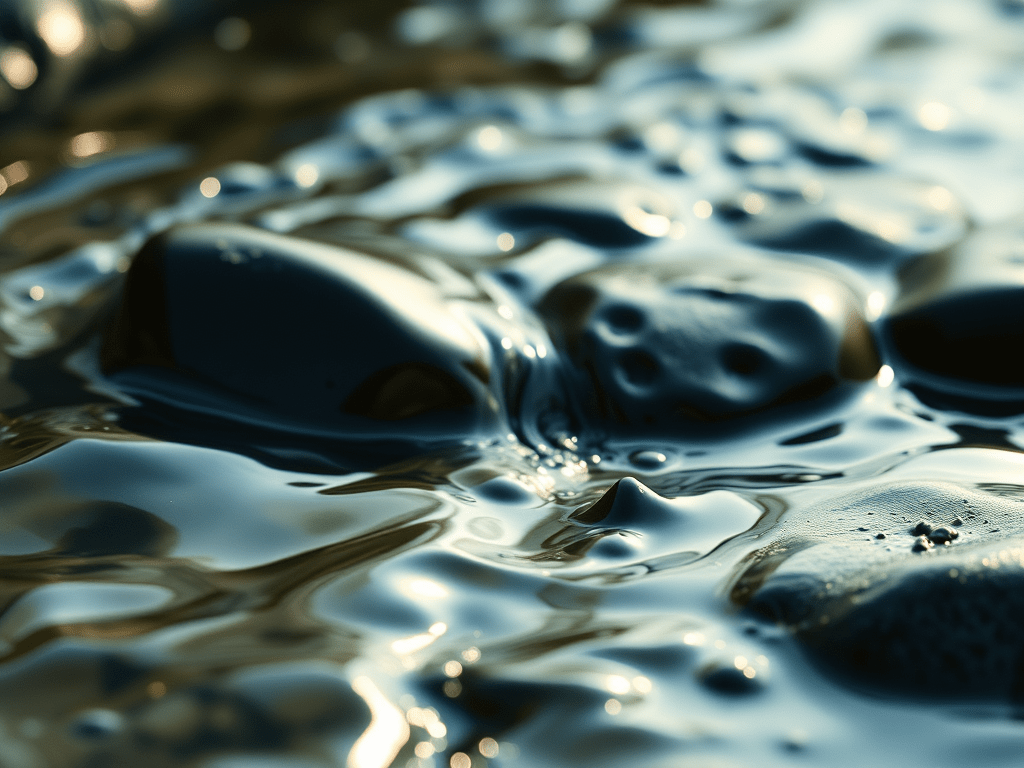
The Chinese character 滑 (huá) has a fascinating origin that connects to both the visual and tactile sense of slipperiness. Let’s break down its components:
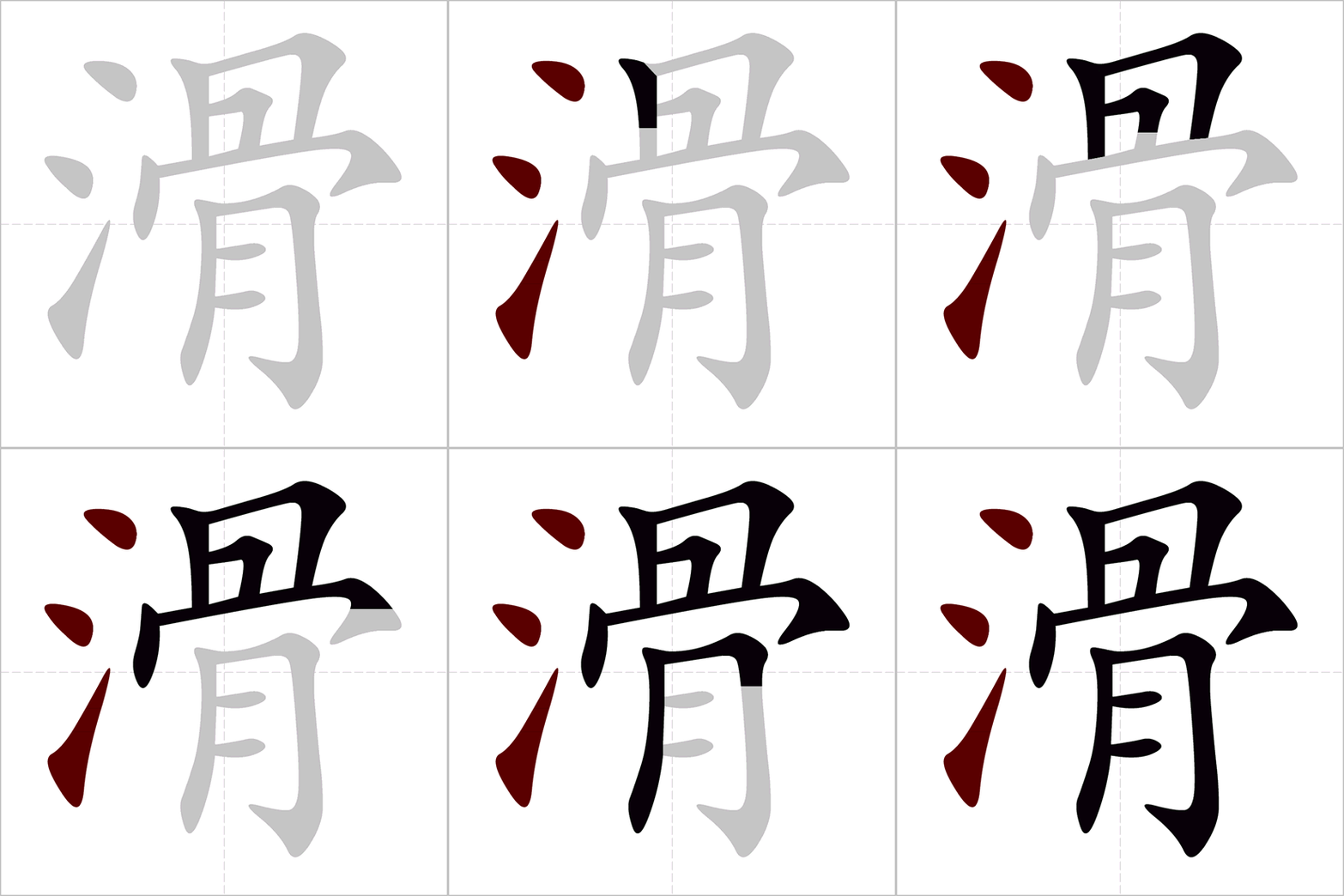
- 水 (shuǐ): This radical clearly represents water. This is key because water is often associated with slipperiness, think of wet surfaces or smooth flowing movement.
- 骨 (gǔ): This component represents bone. While seemingly unrelated to “slippery,” its ancient form might have depicted something smooth and hard like a bone or a polished surface. It also provides the phonetic element to the character.

Combining these elements, the original meaning of 滑 likely conveyed:
- Smoothness like water: The “water” radical combined with the smooth and hard imagery of “bone” could depict a surface so smooth that it’s like water flowing over it, creating a slippery effect.
- Effortless movement: The character might have also evoked the image of something gliding effortlessly over a surface, similar to how water flows smoothly.
Therefore, 滑 captured the essence of slipperiness through the visual imagery of water and the tactile sensation of smoothness.
Over time, the meaning expanded to include:
- Slippery surfaces: This remains the core meaning, describing surfaces like wet floors, ice, or oily roads.
- Smooth and glossy textures: 滑 can describe things like smooth skin, polished stones, or silky fabric.
- Cunning or sly: This metaphorical meaning likely arose from the idea of someone being “slippery” in their dealings, difficult to grasp or pin down.
To delve deeper into the evolution of 滑, you could consult:
- 《說文解字》(Shuowen Jiezi): This ancient dictionary provides explanations of character structures and original meanings.
- Historical texts and literature: Analyzing how 滑 is used in different contexts throughout history can reveal the nuances of its meaning over time.

 How to write Chinese