

废话 (fèihuà), meaning “nonsense” or “superfluous words,” is a two-character word where the combined meaning derives from the individual characters. Let’s examine their original meanings:
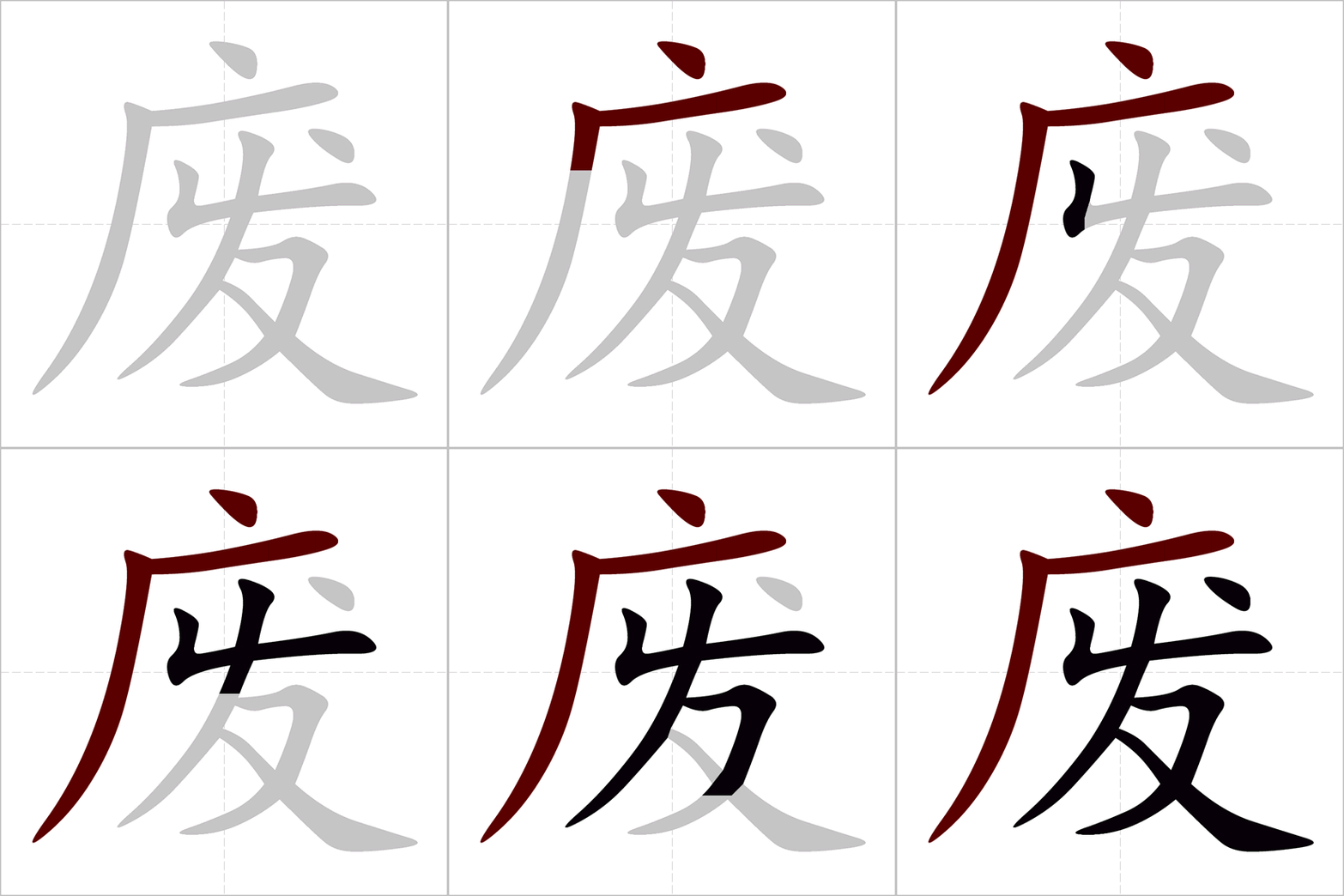
废 (fèi):
- Early form: Depicted a person discarding or abandoning something.
- Original meaning: To discard, to abandon, to abolish, useless.
- Evolution: The visual of casting something aside extended to the concept of something being useless, worn out, or no longer needed.

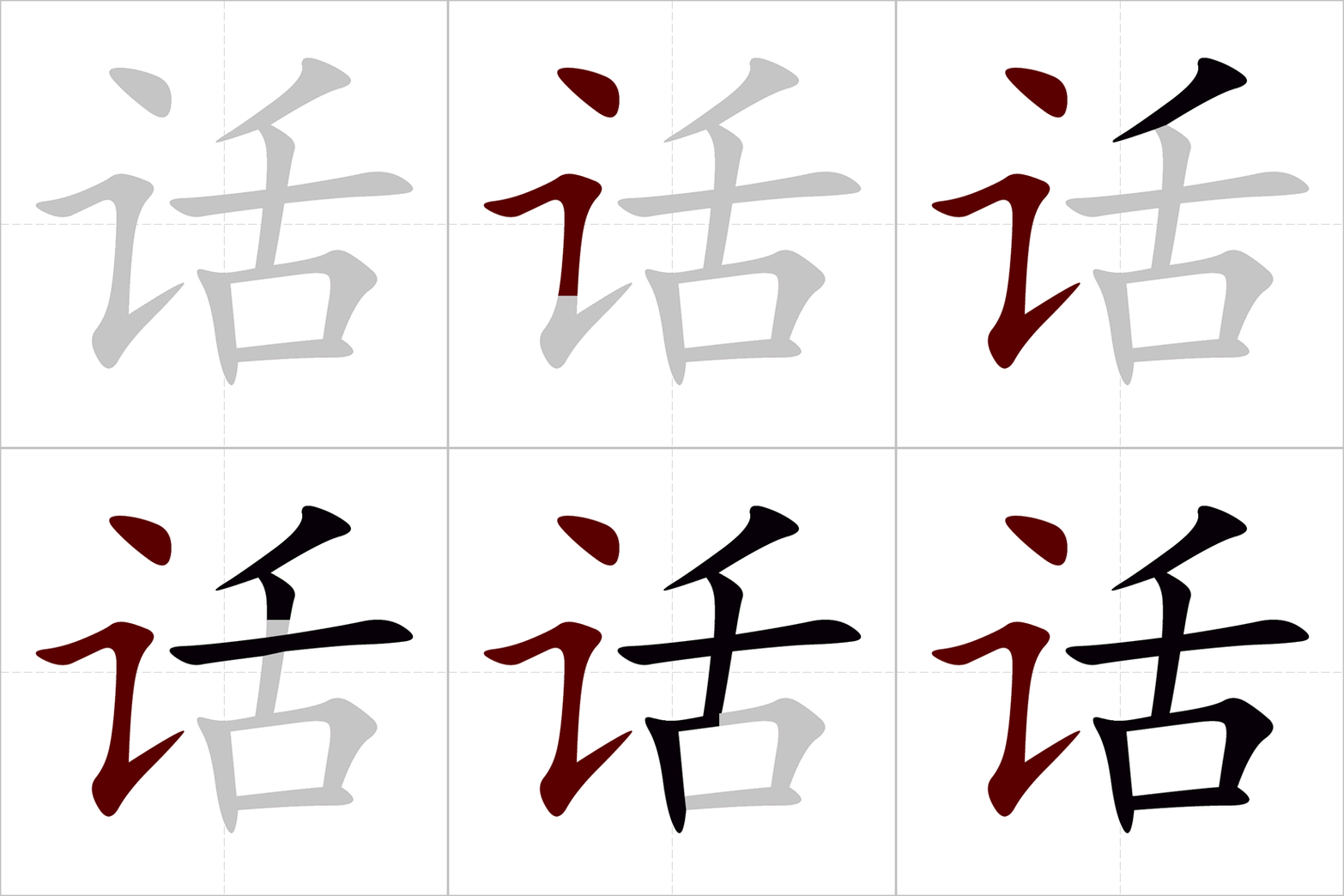
话 (huà):
- Early form: Represented speech or words coming from the mouth.
- Original meaning: Speech, words, language, to speak.
- Evolution: It continues to primarily represent spoken language and communication.
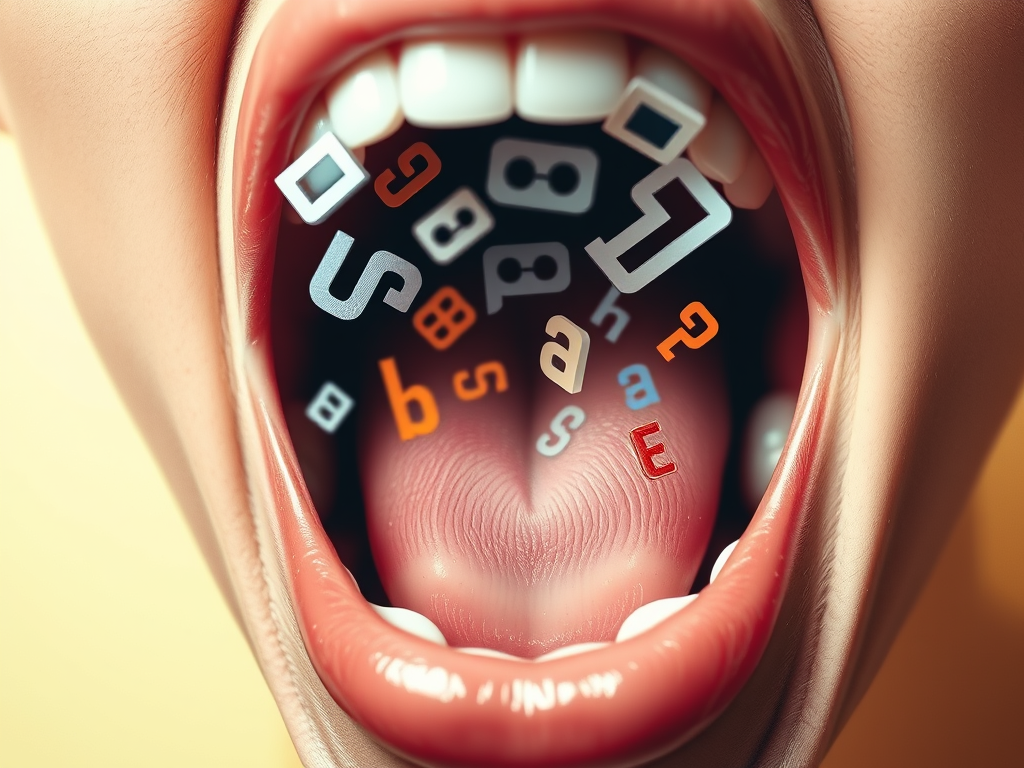
Combining these, 废话 (fèihuà) originally conveyed:
- Discarded or useless words: The combination of “discard” (废) and “words” (话) paints a clear picture of speech that is worthless, meaningless, or has no value.
- Speech that is abandoned or thrown away: It implies that the words spoken are not worth keeping or paying attention to.
Therefore, 废话 vividly captures the idea of speech that is empty, pointless, or a waste of time. It’s like throwing away words because they serve no purpose.
Interestingly, the character 废 (fèi) by itself can also mean “waste” or “rubbish,” further reinforcing the idea of worthlessness associated with 废话.
To explore further, you could consult:
- 《說文解字》(Shuowen Jiezi): This ancient dictionary can provide more details on the original forms and meanings of 废 and 话.
- Historical texts and literature: Analyzing how 废话 is used in different contexts throughout history can reveal how its meaning has evolved and nuanced over time.
This explanation hopefully provides a better understanding of the origins and imagery behind this commonly used word!

 How to write Chinese