

小费 (xiǎofèi), meaning “tip” or “gratuity,” is a word that reflects a specific social custom. To understand its full meaning, let’s analyze its individual components:
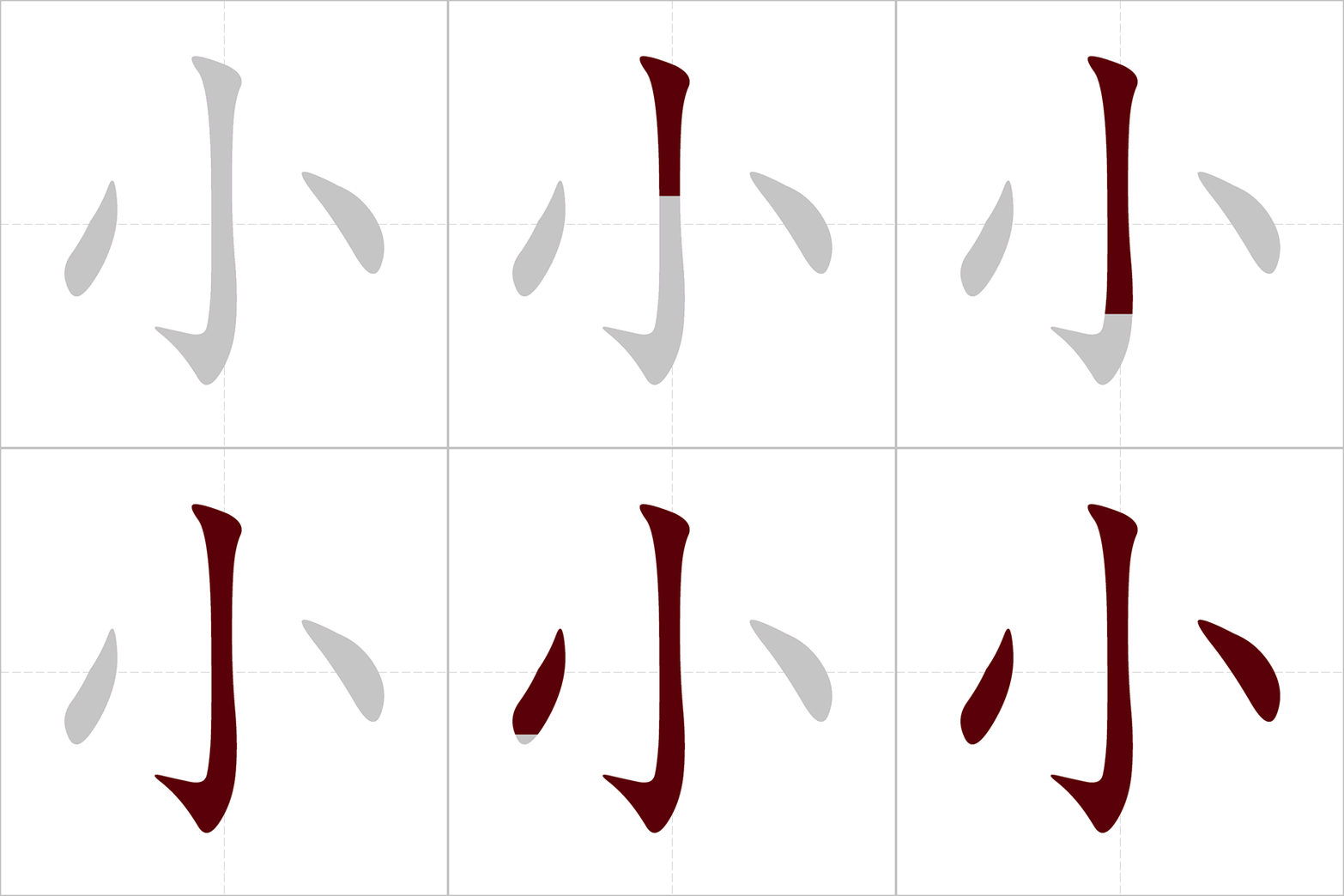
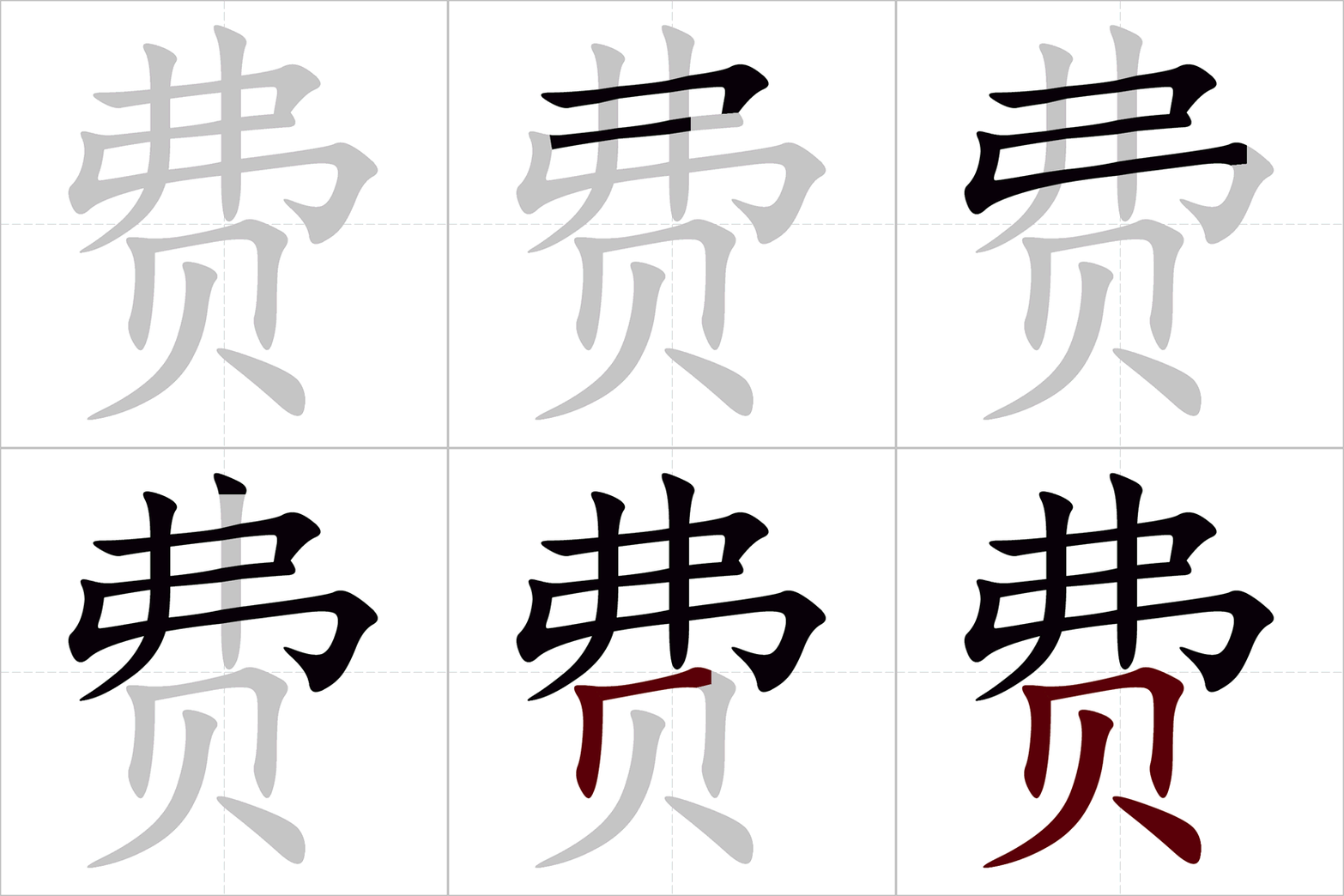
- 小 (xiǎo):
- Original form: In oracle bone script, 小 depicted three small dots or grains, symbolizing something small or insignificant.
- Meaning: It conveys the idea of “small,” “little,” or “minor.” In the context of “小费,” it denotes that the amount of money given is relatively small compared to the main cost of the service.

- 费 (fèi):
- Original form: In oracle bone script, 费 depicted two hands (廾) holding a shell (贝), which was used as currency in ancient China. This symbolized the expenditure or use of money.
- Meaning: It conveys the idea of “expense,” “cost,” or “fee.” In “小费,” it refers to the money given as a tip.

Combining the Components:
When combined, 小费 literally means “small expense” or “minor cost.” This accurately reflects the nature of a tip as a small amount of money given in addition to the regular payment for a service.
Evolution of Meaning:
The term 小费 is relatively modern, likely emerging as the practice of tipping became more established in Chinese society due to Western influence.
Usage in Modern Chinese:
小费 is used in situations where tipping is customary, such as:
- Restaurants: After finishing a meal, it’s common to leave a small tip for the waiter.
- Hotels: Tips can be given to bellhops for carrying luggage or to housekeeping staff.
- Taxis: While not always expected, rounding up the fare or giving a small tip to the driver is appreciated.
It’s important to note that tipping customs can vary across different regions and situations in China. In some cases, tipping might not be expected or even considered inappropriate.
By understanding the original structure and meaning of its components, we can appreciate how 小费 effectively conveys the concept of a small, additional payment given as a gesture of appreciation for service.

 How to write Chinese