

安静 (ānjìng), meaning “quiet” or “peaceful,” is a compound word where both characters contribute to its overall meaning. Let’s delve into the original structure and meaning of each component:
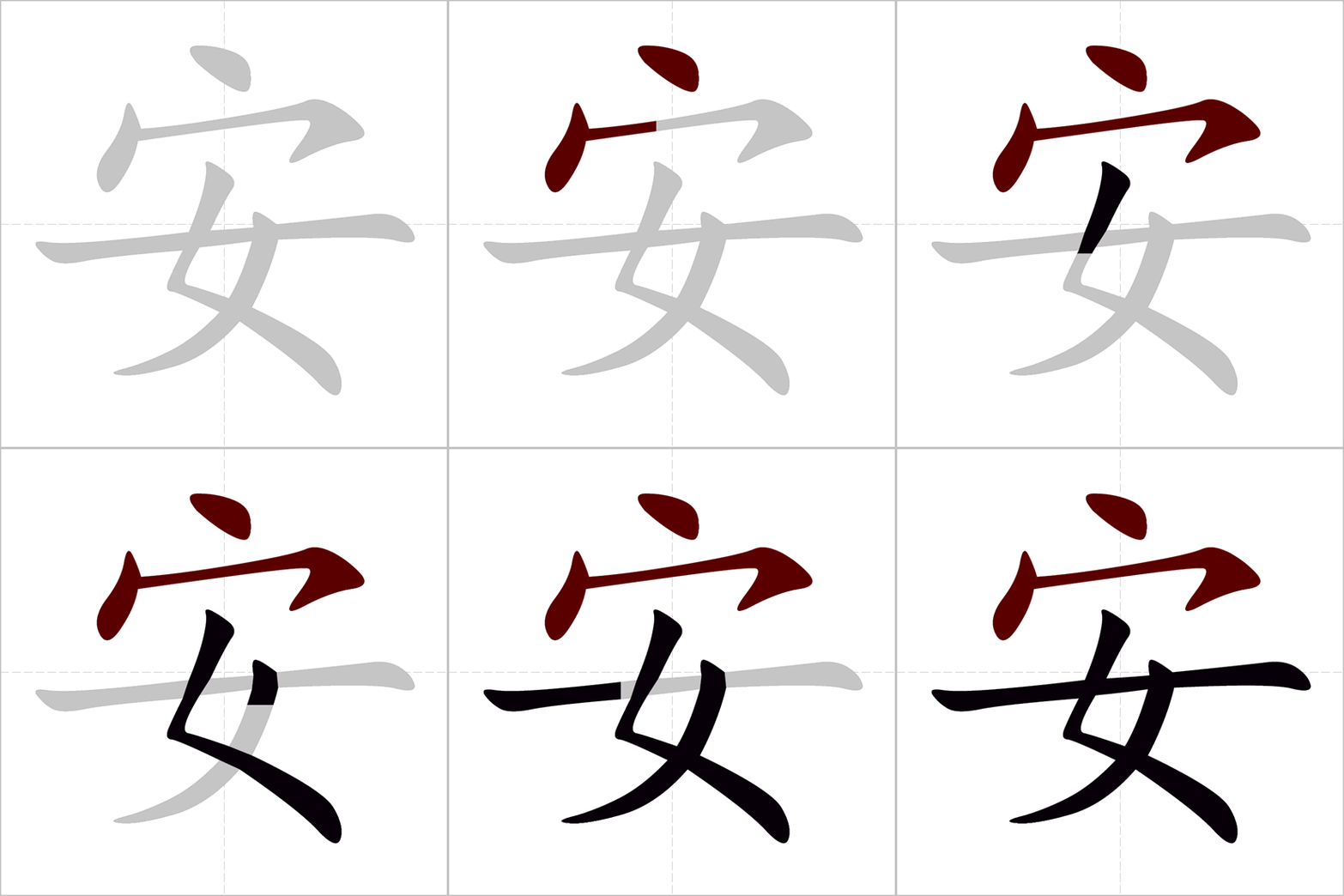
- 安 (ān):
- Original form: In oracle bone script, 安 depicted a woman (女) under a roof (宀). This symbolized a woman resting at home, conveying the idea of safety, peace, and stability.
- Meaning: It carries the meaning of “peaceful,” “calm,” “safe,” or “stable.”
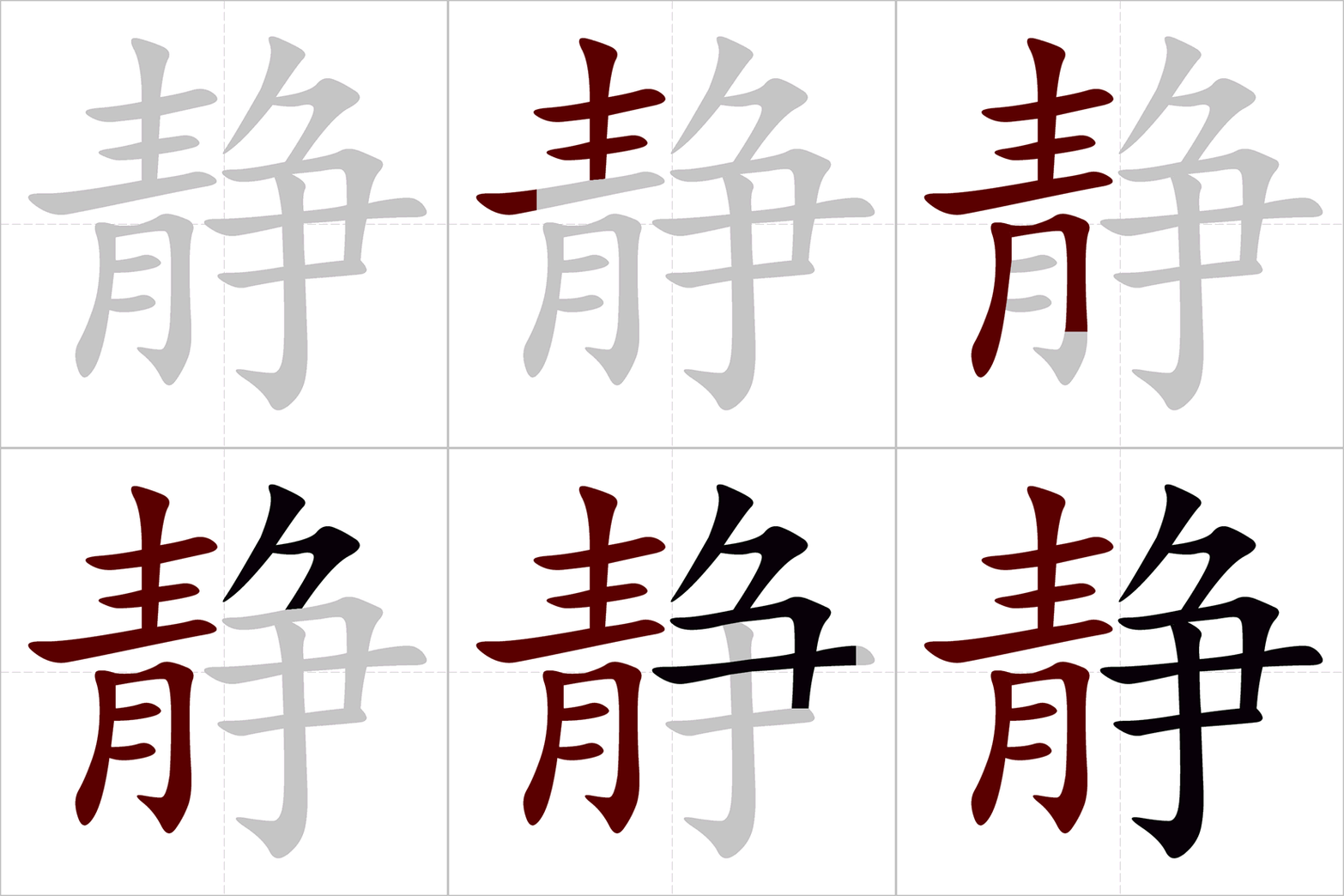
- 静 (jìng):
- Original form: In oracle bone script, 静 depicted a “争” (zhēng, to contend) with a “青” (qīng, green) on top. “青” here represents a phonetic component. However, some interpretations suggest that the combination signifies the stillness or quietude that comes after a conflict or struggle.
- Meaning: It conveys the idea of “still,” “quiet,” “motionless,” or “tranquil.”
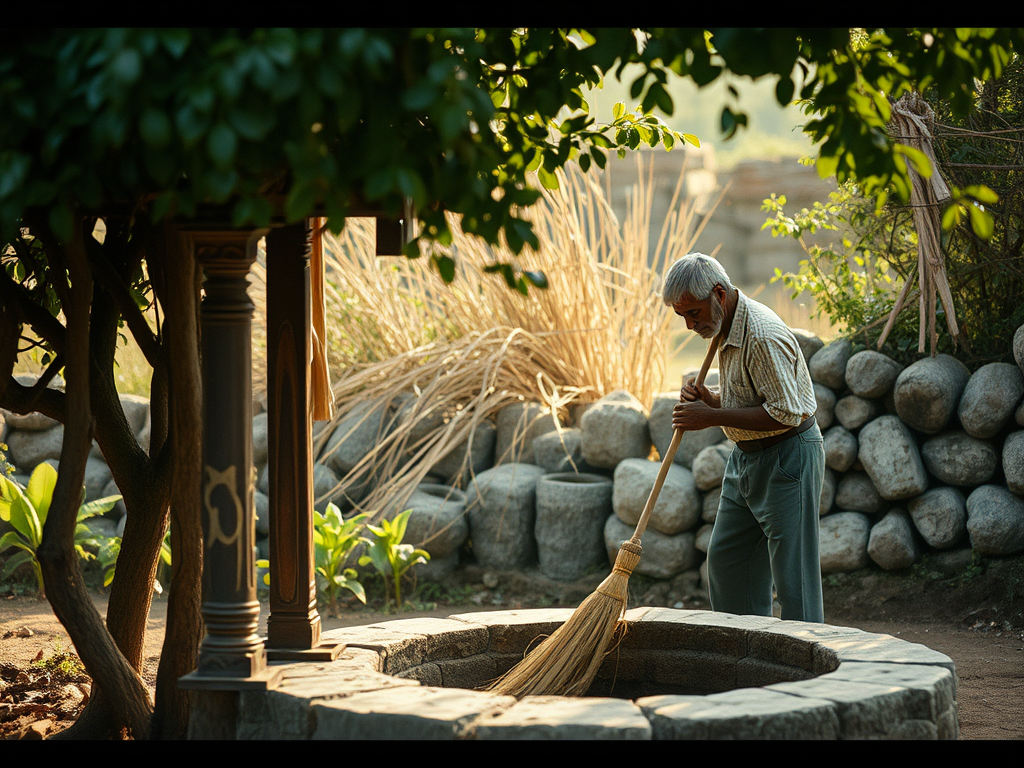
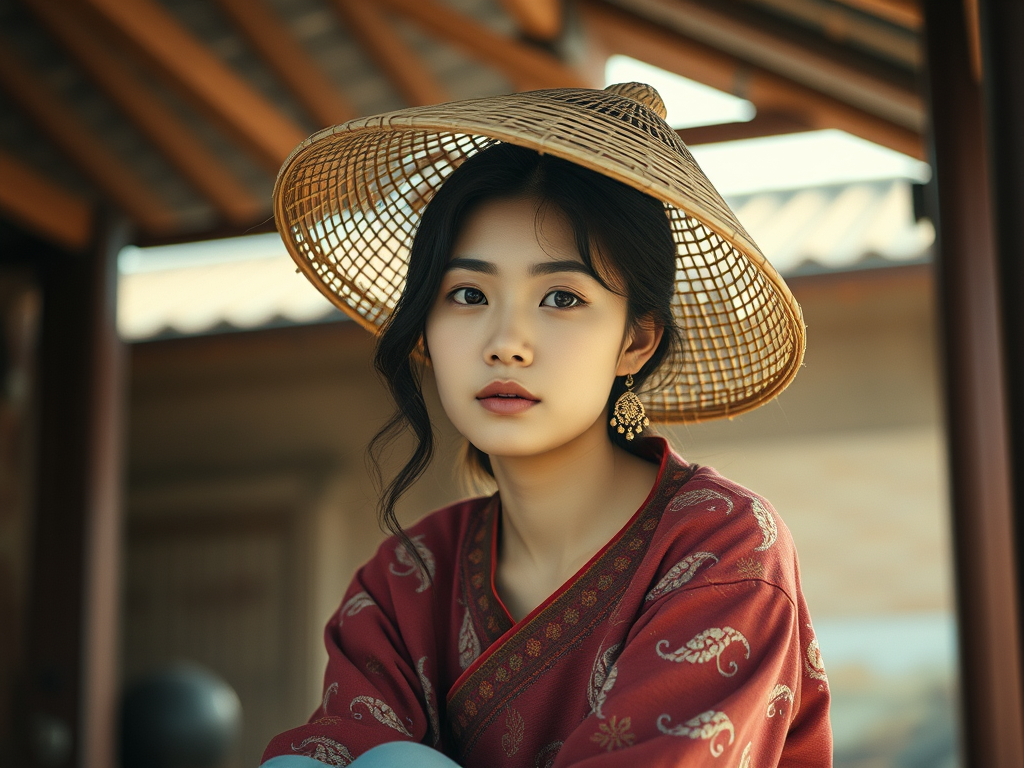
Combining the Components:
When combined, 安静 literally means “peaceful and still.” This beautifully captures the essence of quietude as a state of calmness and tranquility, free from disturbance or noise.
Evolution of Meaning:
The meaning of 安静 has remained relatively consistent throughout its evolution, primarily representing the absence of noise and disturbance. However, it can also encompass a broader sense of peacefulness and inner calmness.
Usage in Modern Chinese:
安静 is commonly used in various contexts:
- Describing an environment: 图书馆里很安静 (túshū guǎn lǐ hěn ānjìng) – The library is very quiet.
- Requesting silence: 请安静! (qǐng ānjìng!) – Please be quiet!
- Describing a person’s demeanor: 他是一个很安静的人 (tā shì yīgè hěn ānjìng de rén) – He is a very quiet person.
By understanding the original structure and meaning of its components, we can appreciate how 安静 effectively conveys the concept of tranquility and stillness, both in the external environment and within oneself.

 How to write Chinese