

到底 (dàodǐ), meaning “finally,” “in the end,” or “to the bottom,” is a word that combines two simple characters to create a more complex meaning.
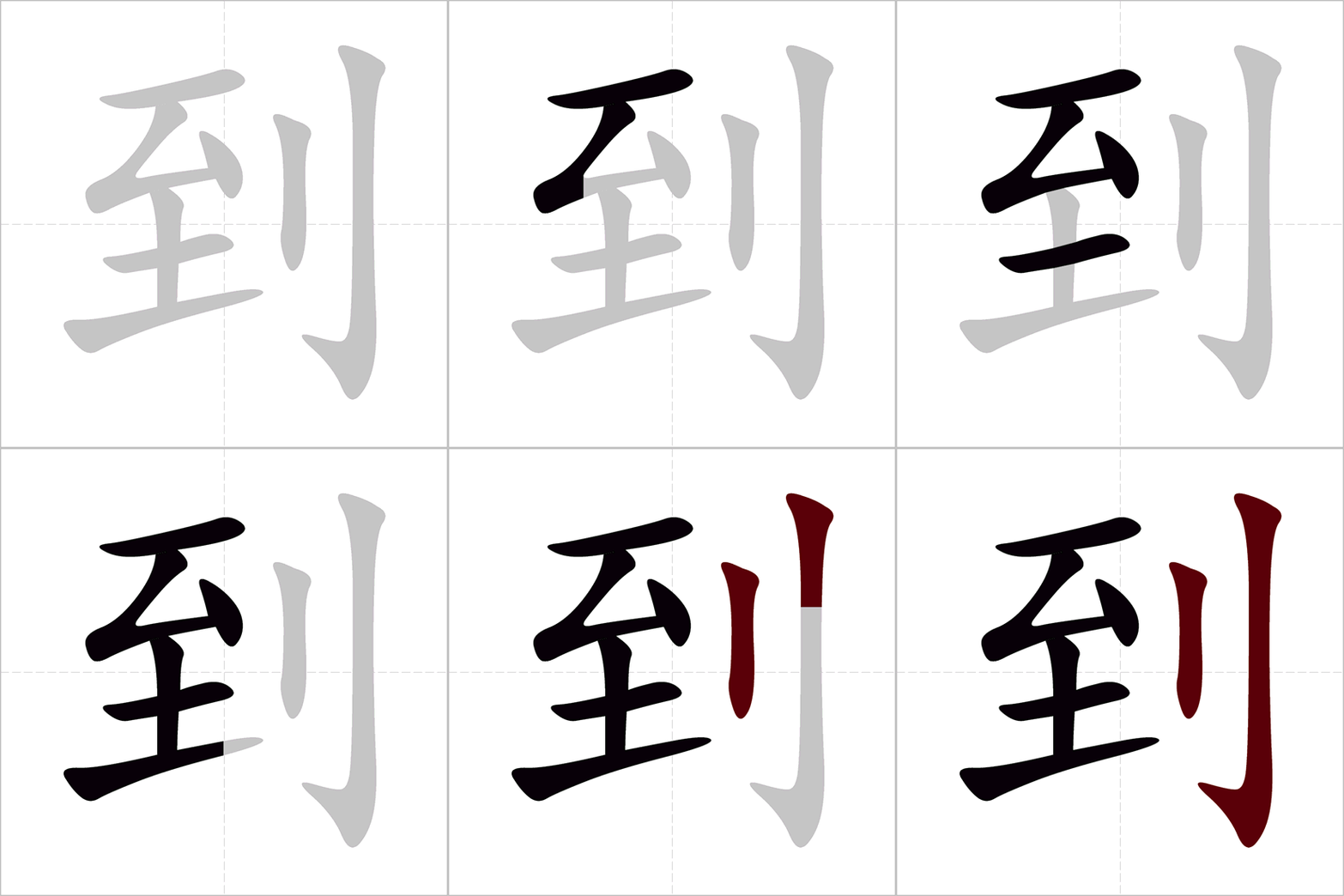
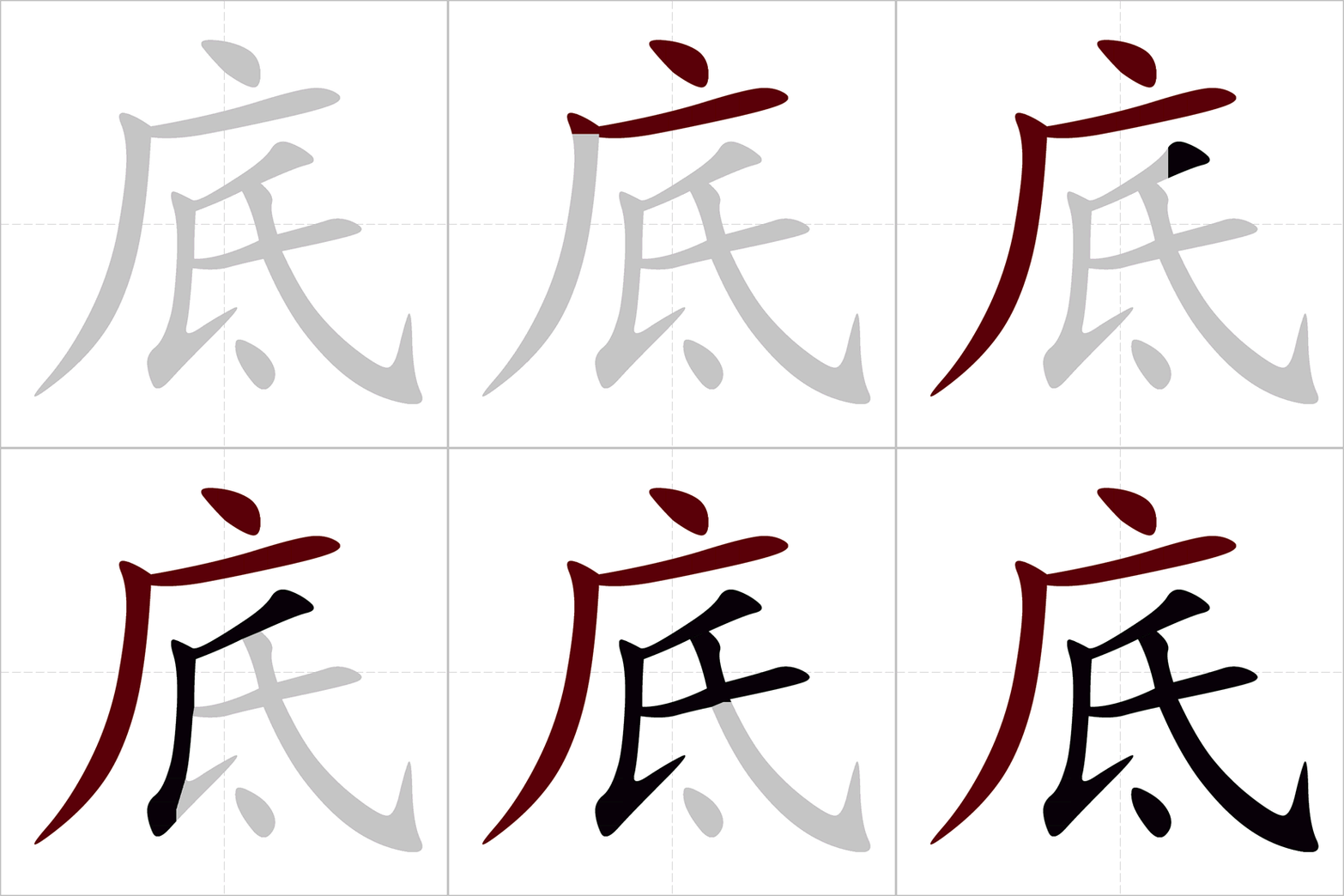
Let’s break down the original structure and meaning of each component:
- 到 (dào):
- Original form: In oracle bone script, 到 depicted a person arriving at a destination, often represented by a building or location marker.
- Meaning: It conveys the idea of reaching a point, arriving, or extending to a certain place.

- 底 (dǐ):
- Original form: In oracle bone script, 底 depicted the bottom of a vessel or container.
- Meaning: It represents the lowest point, the foundation, or the base of something.

Combining the Components:
When combined, 到底 literally means “to arrive at the bottom.” This imagery can be interpreted in several ways:
- Reaching the final point: It can signify reaching the end of a process, a journey, or a discussion.
- Getting to the root of something: It can imply thoroughly investigating or understanding something, going beyond the surface level to uncover the fundamental truth.
- Ultimately: It can express the final outcome or result of a situation.
Evolution of Meaning:
While the original visual imagery of reaching the bottom is still relevant, 到底 has evolved to encompass a broader range of meanings:
- Finally: 他到底还是来了 (tā dàodǐ háishì lái le) – He finally came after all.
- In the end: 到底是怎么回事? (dàodǐ shì zěnme huí shì?) – What happened in the end?
- After all: 你到底想说什么? (nǐ dàodǐ xiǎng shuō shénme?) – What do you really want to say?
- Thoroughly: 把这件事调查到底 (bǎ zhè jiàn shì diàochá dàodǐ) – Investigate this matter thoroughly.
Usage in Modern Chinese:
到底 is a versatile word used in various contexts, from casual conversations to formal writing. It adds emphasis and clarity to express finality, persistence, or thoroughness.
By understanding the original structure and meaning of its components, we can appreciate how 到底 effectively conveys the idea of reaching a conclusive point or uncovering the essence of something.

 How to write Chinese