

派对 (pàiduì), meaning “party” in Chinese, is a relatively modern term. Unlike many ancient Chinese characters that evolved from pictograms, “派对” is a phonetic loan word. This means it borrows the sounds of existing characters to represent a foreign concept. Therefore, analyzing its “original writing structure” in the traditional sense doesn’t reveal much about its meaning. However, we can still break down its components and understand how it came to represent “party”:
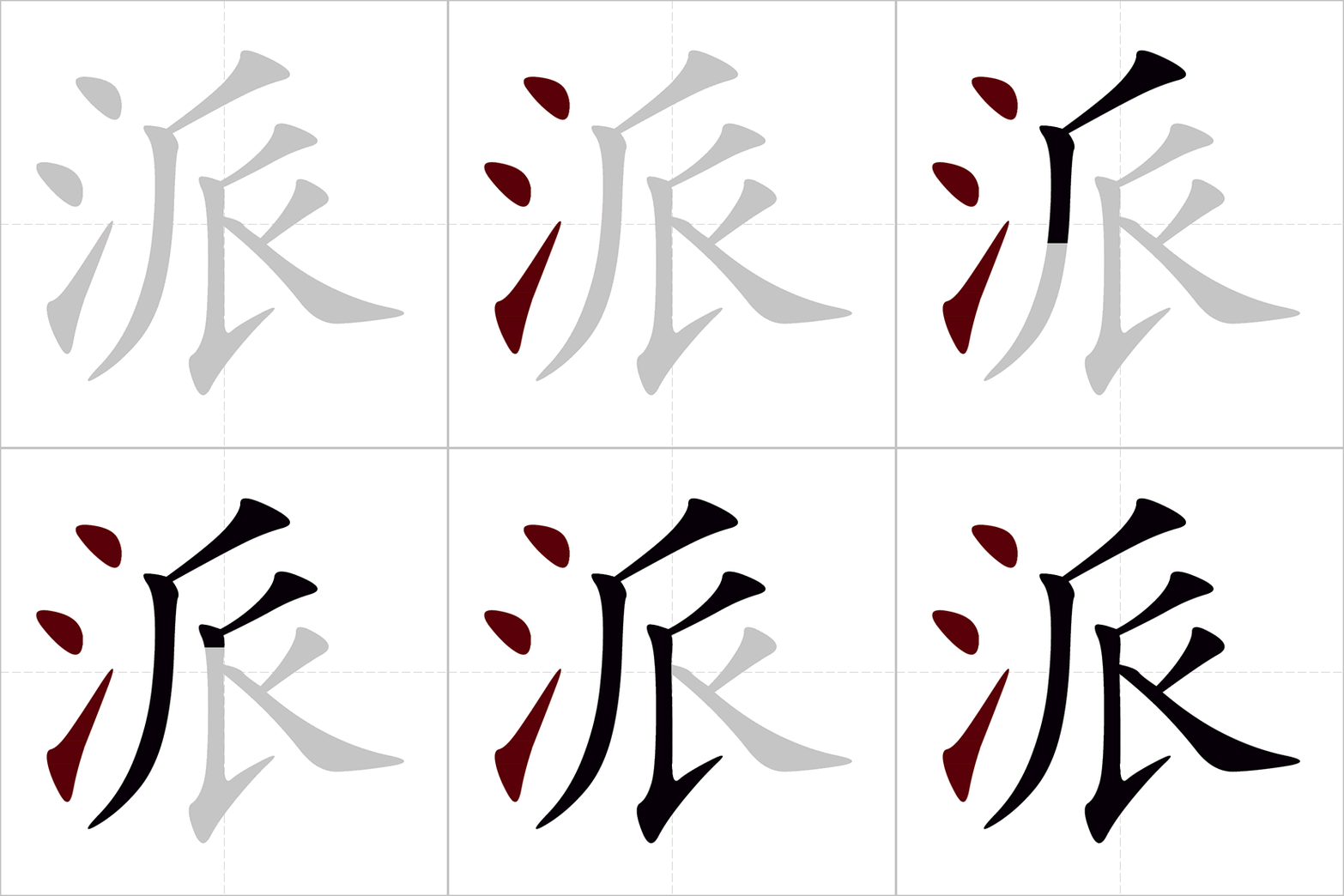
- 派 (pài): This character originally meant “to send,” “to dispatch,” or “to assign.” Its original structure depicted water (氵) flowing out (丿) from a source, suggesting distribution or sending forth. Over time, “派” developed various meanings, including “faction,” “school of thought,” “style,” and “manner.”

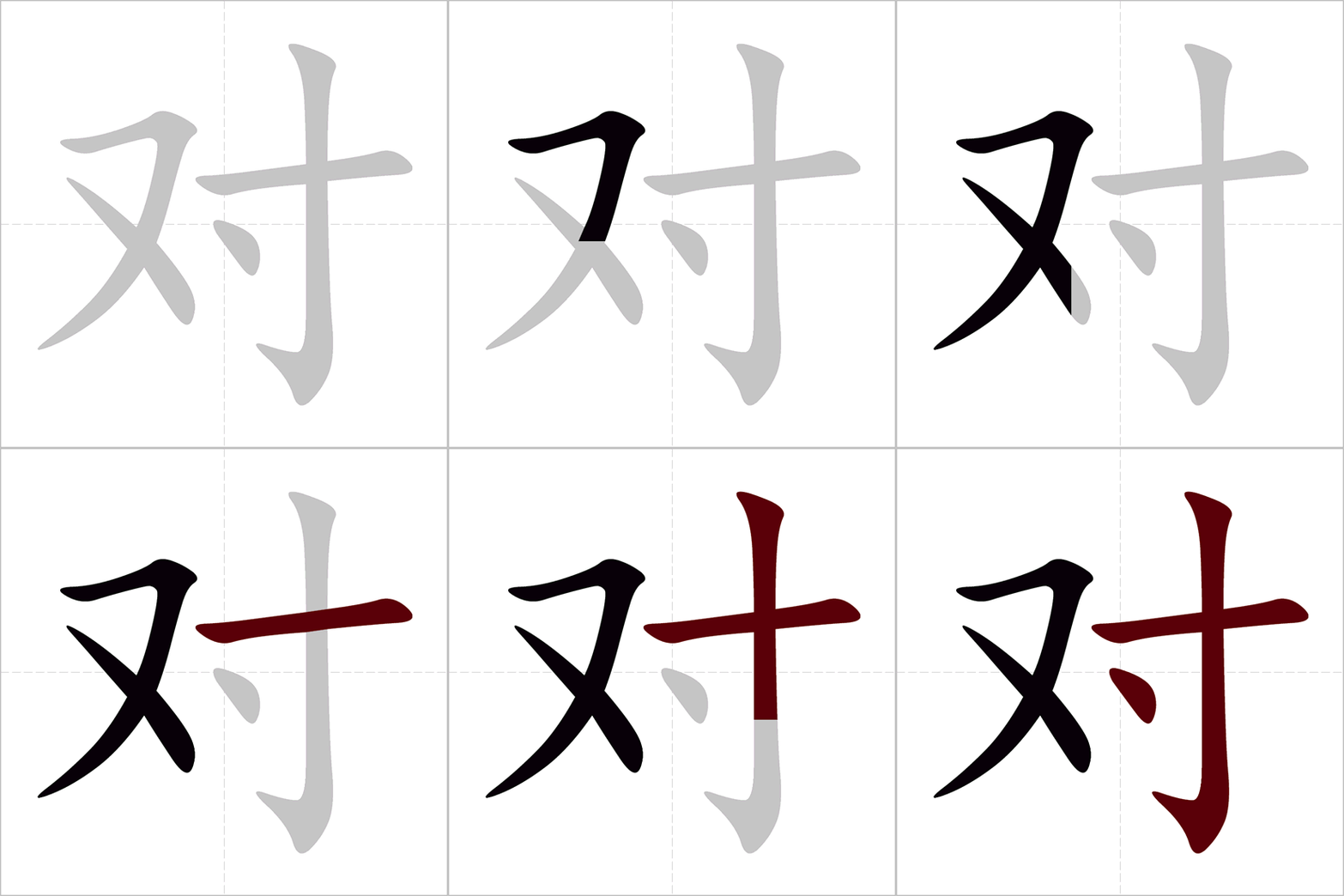
- 对 (duì): This character originally meant “to face,” “to oppose,” or “to be opposite to.” Its original structure depicted two people facing each other (丵). Over time, “对” expanded to include meanings like “correct,” “to answer,” “pair,” and “towards.”

How “派对” Became “Party”
The term “派对” was adopted into Chinese during the late 19th and early 20th centuries as Western culture began to influence China. It’s a phonetic approximation of the English word “party.”
While the individual characters “派” and “对” have their own distinct meanings, their combination in “派对” doesn’t directly relate to the concept of a social gathering. Instead, they were chosen primarily for their sounds, which resemble the pronunciation of “party.” This is a common way that Chinese has incorporated foreign words and concepts throughout its history.
Evolution and Usage:
Since “派对” is a relatively recent term, its evolution is primarily linked to its growing usage and acceptance in Chinese. Today, it’s widely understood and used to describe various types of parties, from birthday celebrations to formal gatherings.
While “派对” might not have a deep historical connection to its components like some older Chinese words, it exemplifies the adaptability and flexibility of the Chinese language in absorbing new ideas and expressions.

 How to write Chinese