

声音 (shēngyīn), meaning “sound” or “voice,” is a word that beautifully captures the auditory experience through its component characters. Let’s explore the original structure and meaning of each:
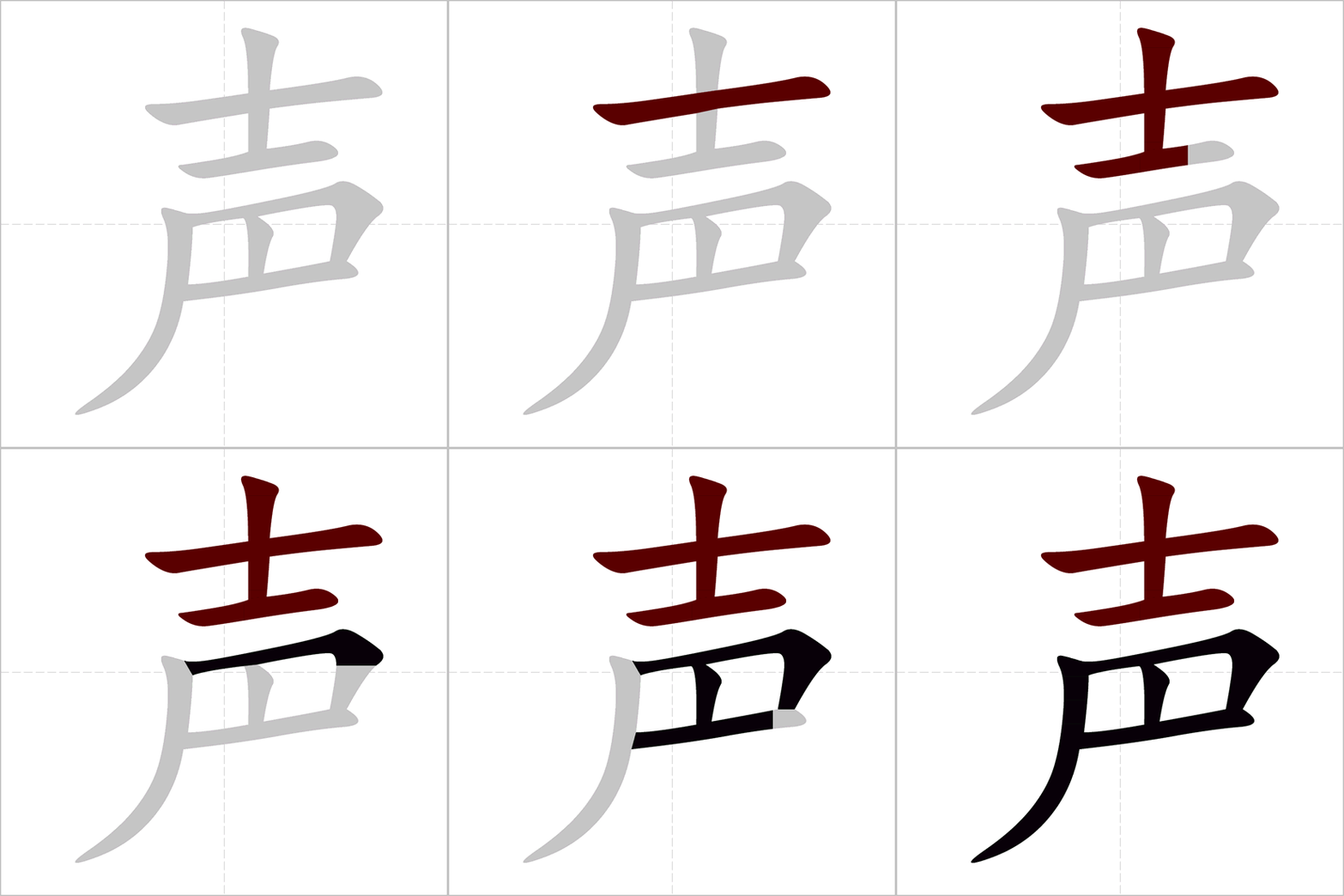
- 声 (shēng): This character has a fascinating origin. It originally depicted a musical instrument, specifically a qing (磬), a type of stone chime used in ancient China. The top part (士) represented the hanging frame, and the bottom part (缶) represented the chime itself. This clearly connects “声” to the production of sound.

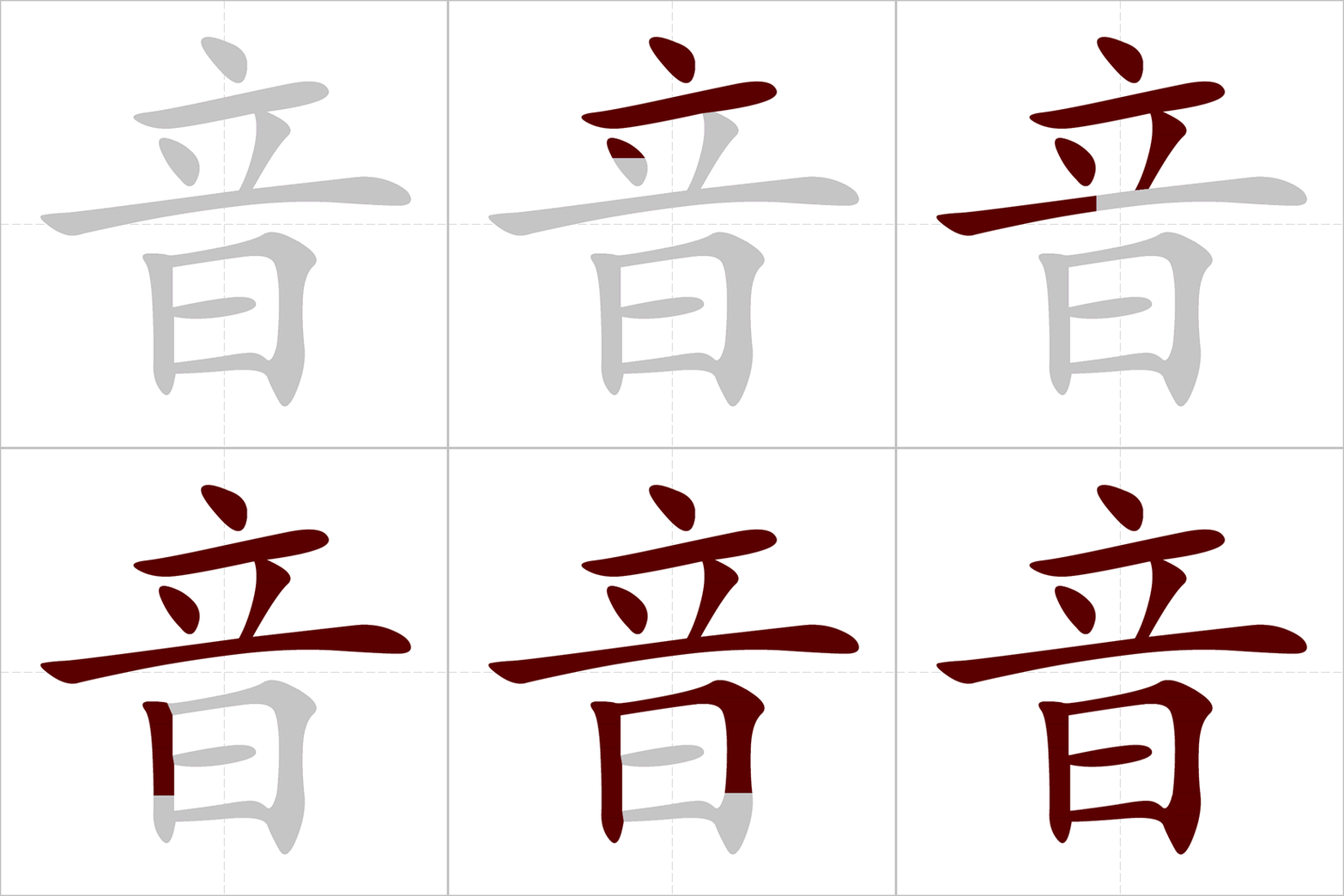
- 音 (yīn): This character is composed of two parts:
- 立 (lì): Meaning “to stand” or “to establish,” it provides a phonetic clue to the pronunciation.
- 日 (rì): Meaning “sun” or “day,” it’s believed to represent the vibrations or waves of sound emanating from a source, like the sun’s rays spreading outwards.

Therefore, combining these two components, “声音” literally paints a picture of sound being produced by a musical instrument and spreading outwards like waves or rays. It encapsulates both the source and the propagation of sound.
Evolution of the character:
- Oracle bone script: In its earliest forms, “声” clearly resembled the qing instrument. “音” also had a more pictographic form, with the “日” element more prominent.
- Bronze script: The characters became more stylized, but the core components remained recognizable.
- Small seal script: The characters were further refined, but the connection to the original imagery was still apparent.
- Regular script: The regular script standardized the forms we use today, with “声” still hinting at the musical instrument and “音” retaining the “日” element to suggest sound waves.
“声音” is a wonderful example of how Chinese characters can evoke sensory experiences through their structure. By understanding its original meaning, we gain a deeper appreciation for the way Chinese characters can capture the essence of the world around us.

 How to write Chinese