

独立日 (獨立日 in traditional form – Dúlì Rì) means “Independence Day” in Chinese. It’s a compound word where each character contributes to the overall meaning, conveying the concept of a nation standing alone and free.
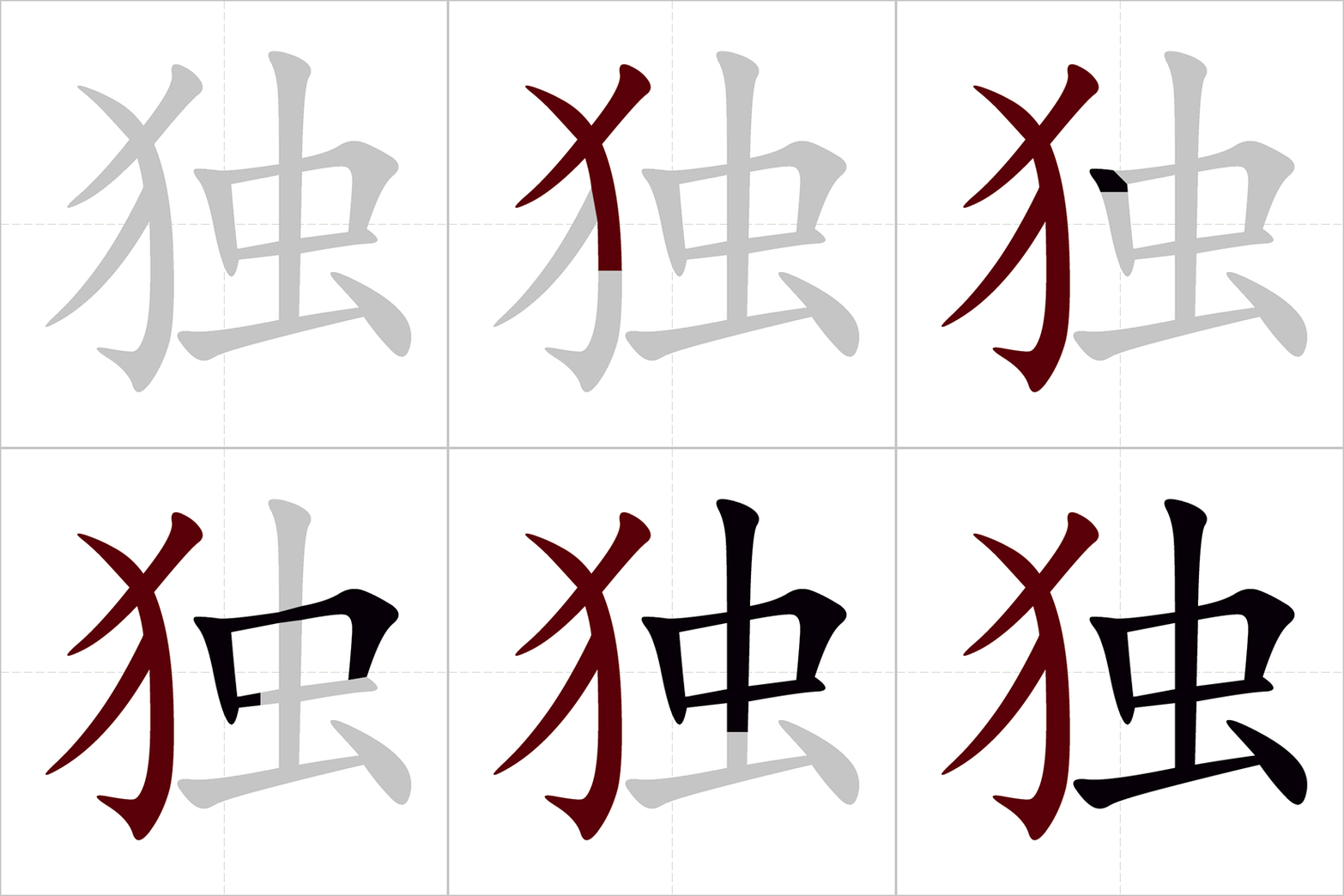


Here’s a breakdown of the characters:
- 独 (獨 in traditional form – dú): This character means “alone,” “single,” or “independent.” It’s a phono-semantic compound character where the 犭 (quǎn – dog) component might hint at the solitary nature of a wild dog, and the 蜀 (shǔ) component provides a phonetic clue.

- 立 (lì): This character means “to stand” or “to establish.” It’s a pictogram that depicts a person standing upright, symbolizing independence and self-reliance.

- 日 (rì): This character, as we’ve discussed before, means “sun” or “day.” In this context, it signifies a specific day or date.
Combining these elements, 独立日 literally means “independent stand day” or “the day of establishing independence.” This accurately captures the essence of Independence Day, which commemorates the day a nation declared its independence and became a self-governing entity.
The term 独立日 is used in various contexts related to national independence:
- 美国独立日 (Měiguó Dúlì Rì): Independence Day of the United States
- 庆祝独立日 (qìngzhù Dúlì Rì): To celebrate Independence Day
- 独立宣言 (Dúlì Xuānyán): Declaration of Independence
By understanding the original meaning of 独立日, we can appreciate its connection to self-reliance, freedom, and the establishment of a nation. It reflects the aspiration of people to govern themselves and determine their own destiny.

 How to write Chinese