

庆祝 (慶祝 in traditional form – qìngzhù), meaning “to celebrate”, has a structure that reflects the joyous and communal nature of festivities.

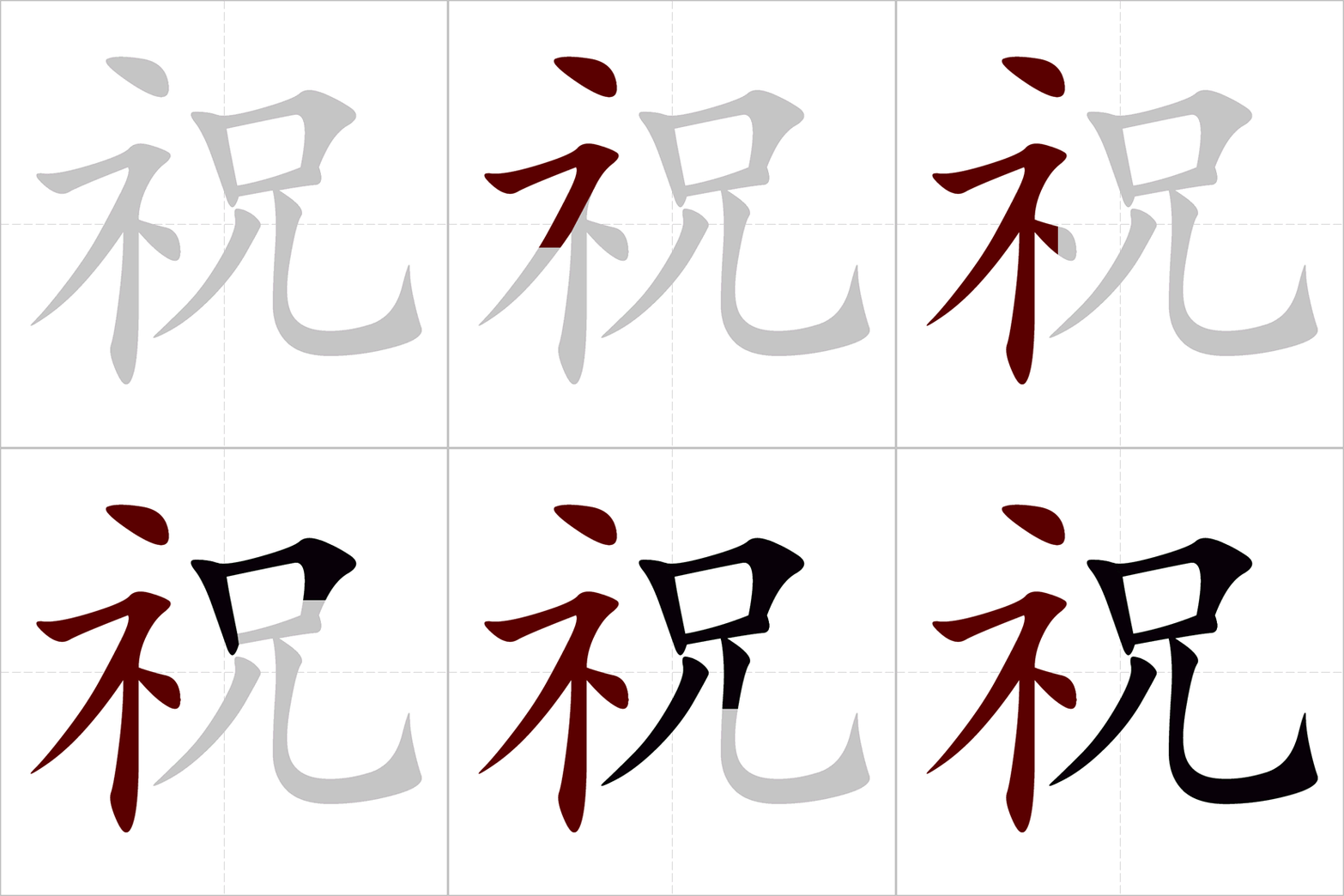
Here’s a breakdown of the components:
- 庆 (慶 in traditional form – qìng): This character means “to celebrate” or “to congratulate.” It’s a phono-semantic compound character where the 广 (guǎng – house/building) component might hint at a gathering place for celebrations, and the 攵 (pū – to tap/strike) component could symbolize the rhythmic sounds of music or drums used in festivities.

- 祝 (zhù): As we discussed earlier, this character means “to wish” or “to pray.” It originally depicted the act of praying or making offerings to spirits at an altar. In this context, it adds a sense of expressing good wishes and blessings during celebrations.
Combining these elements, 庆祝 literally means “to celebrate and wish well” or “to express joy and blessings.” This accurately captures the essence of celebration, which often involves expressing happiness, sharing good wishes, and engaging in festive activities.
The term 庆祝 is used in various contexts related to festivities and happy occasions:
- 庆祝生日 (qìngzhù shēngri): To celebrate a birthday
- 庆祝节日 (qìngzhù jiérì): To celebrate a holiday
- 庆祝胜利 (qìngzhù shènglì): To celebrate a victory
By understanding the original meaning of 庆祝, we can appreciate its connection to joyous gatherings and the expression of good wishes. It reflects the human desire to share happiness and mark important occasions with communal festivities.

 How to write Chinese