

难处 (難處 in traditional form – nánchu), meaning “difficulty” or “problem,” combines the concept of hardship with the idea of a location or situation.
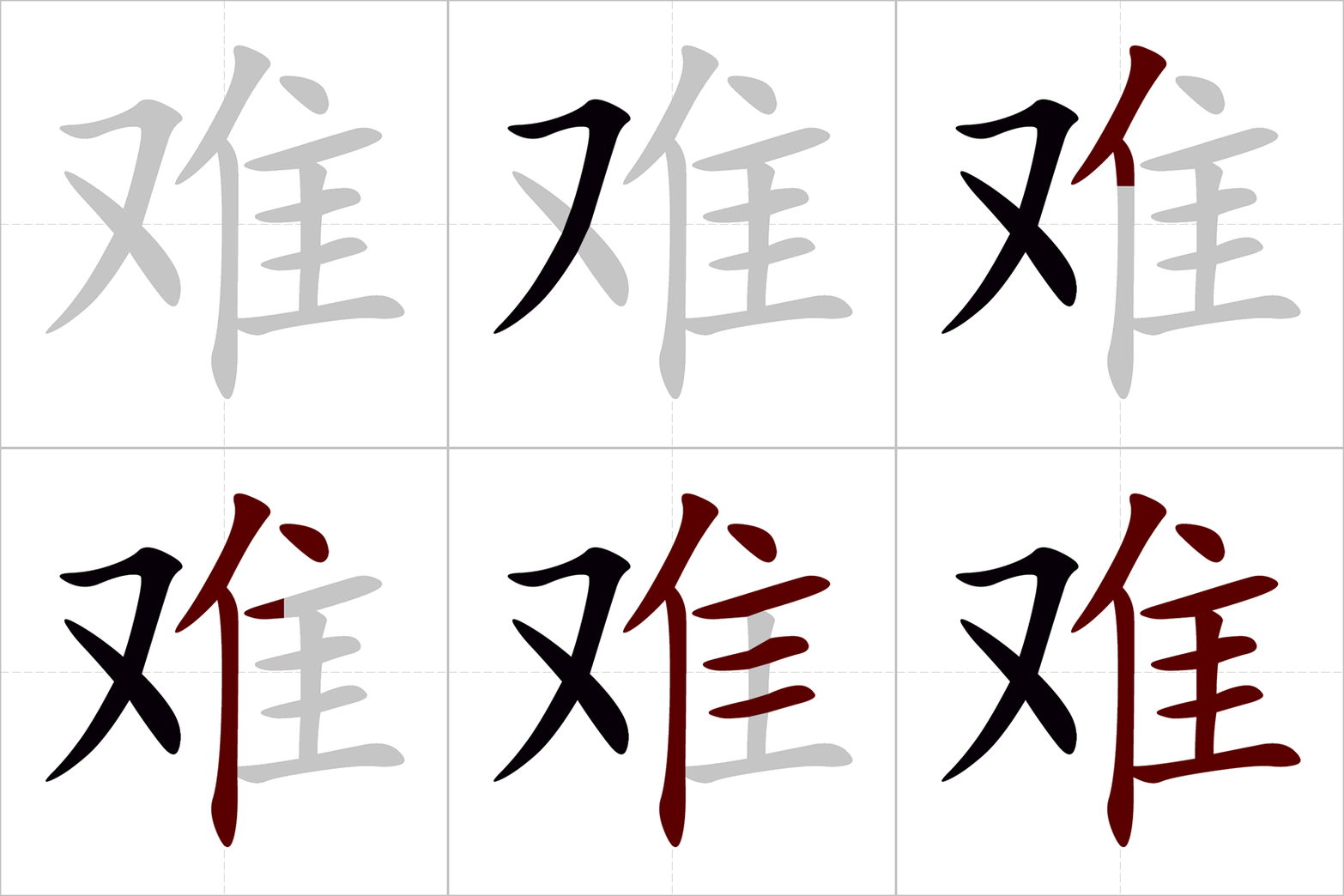
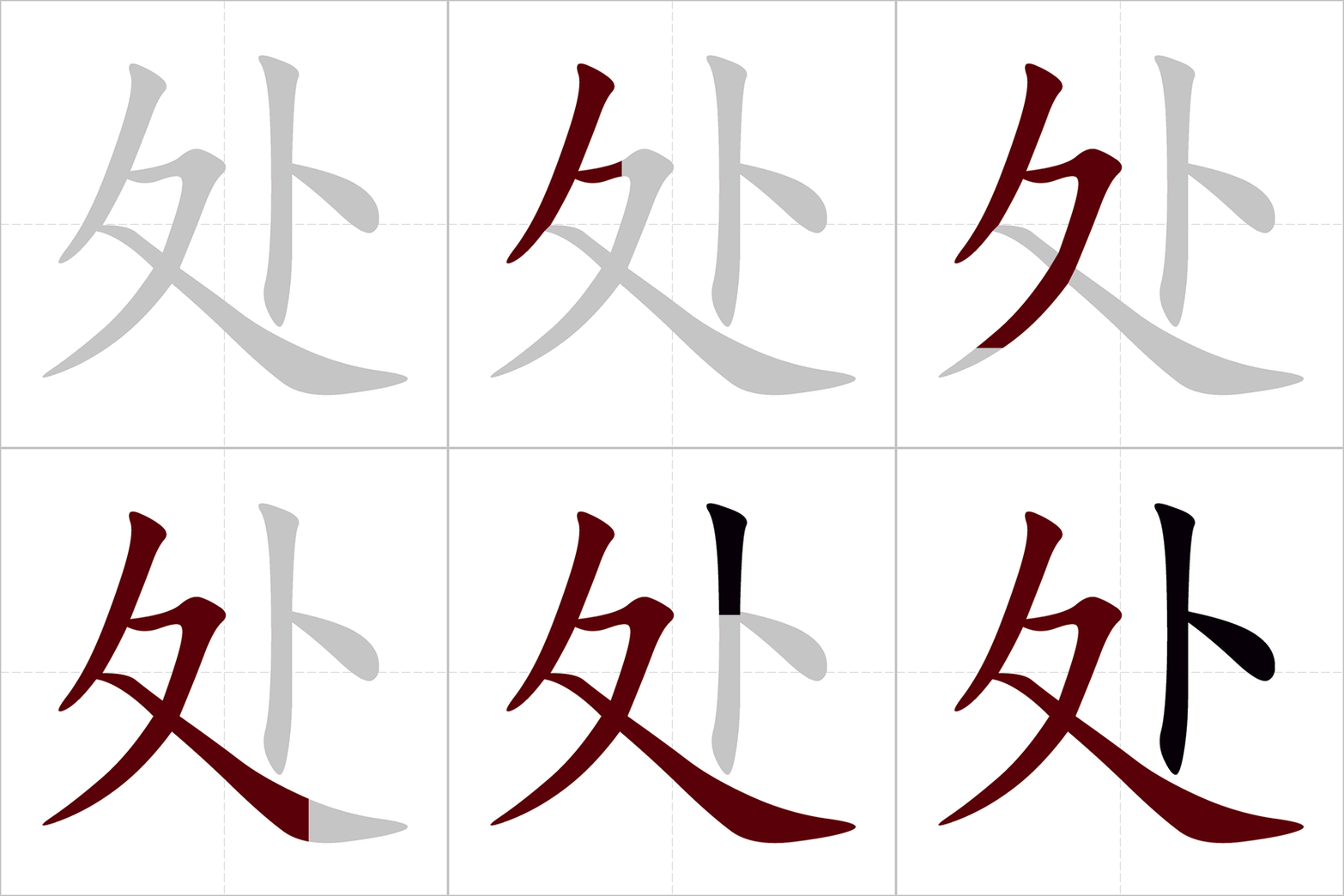
Here’s a breakdown of its components:
- 难 (難 in traditional form – nán): This character means “difficult,” “hard,” or “troublesome.” It originally depicted a bird struggling to fly or a person facing obstacles, symbolizing hardship or a challenging situation.

- 处 (處 in traditional form – chǔ): This character means “place,” “location,” or “situation.” It originally depicted a person standing on a ledge or a boundary, symbolizing a specific position or circumstance.

Combining these elements, 难处 literally means “difficult place” or “troublesome situation.” This accurately captures the essence of a difficulty or problem, which represents a challenging circumstance or an obstacle that needs to be overcome.
The term 难处 is used in various contexts related to challenges and problems:
- 遇到难处 (yù dào nánchu): To encounter difficulties
- 克服难处 (kèfú nánchu): To overcome difficulties
- 问题 (wèntí): Problem (a more general term)
By understanding the original meaning of 难处, we can appreciate its connection to hardship and challenging situations. It reflects the human experience of facing obstacles and the need to find solutions to overcome them.

 How to write Chinese