

逛街 (guàngjiē), meaning “to stroll down the street” or “to go window-shopping,” combines the idea of leisurely movement with the environment of a bustling marketplace.

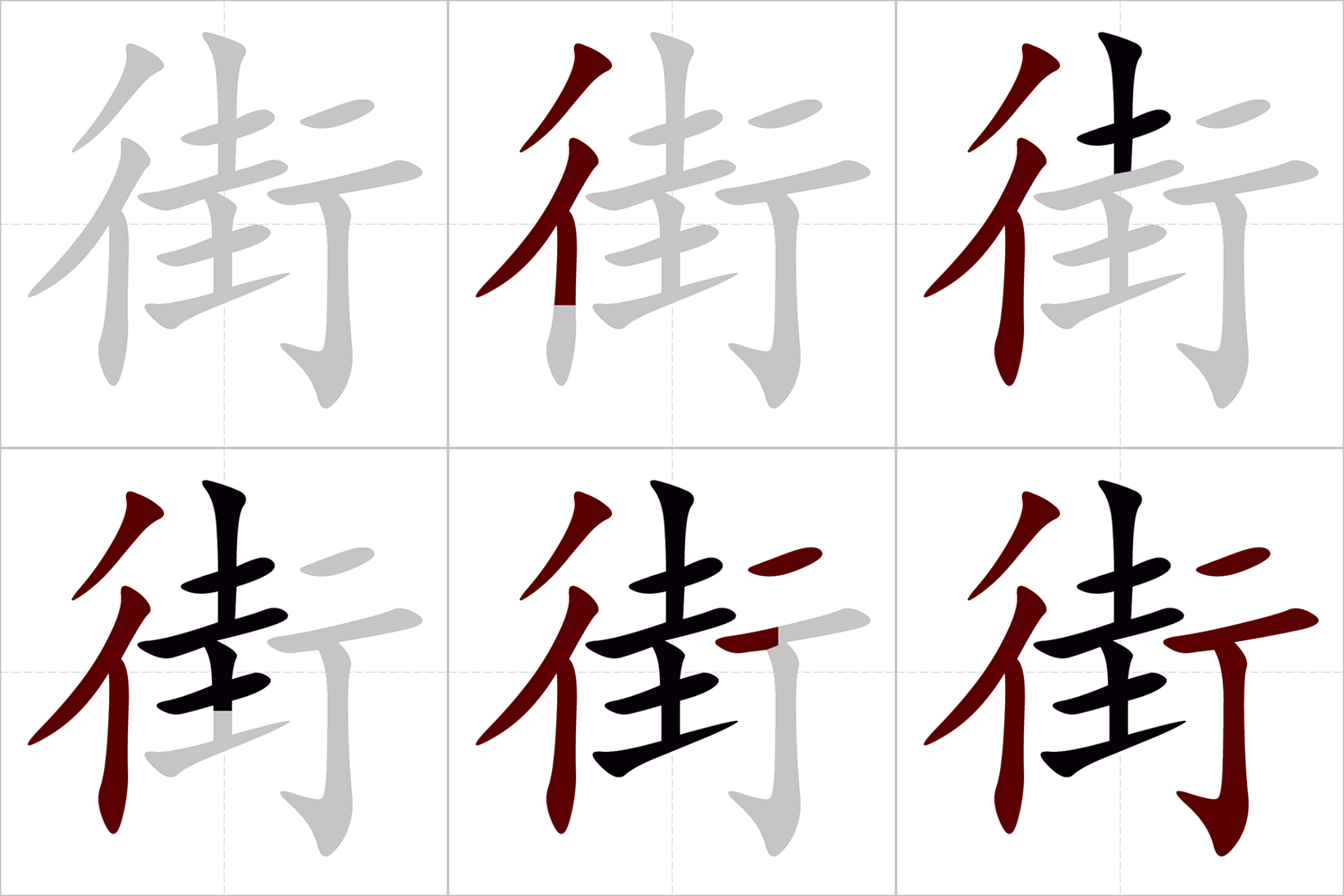
Here’s a breakdown of the characters:
- 逛 (guàng): This character means “to stroll,” “to wander,” or “to ramble.” It originally depicted a person walking in a relaxed and leisurely manner, often without a specific destination in mind, symbolizing exploration and enjoyment of the surroundings.

- 街 (jiē): This character means “street” or “marketplace.” It originally depicted a crossroads or a place where people gather for trade and social interaction, symbolizing a bustling and lively environment.

Combining these elements, 逛街 literally means “to stroll in the marketplace” or “to wander down the street.” This accurately captures the activity of leisurely walking through a shopping area, browsing goods, and enjoying the sights and sounds of the marketplace.
The term 逛街 is used in various contexts related to shopping and leisure:
- 和朋友逛街 (hé péngyou guàngjiē): To go window-shopping with friends
- 在街上逛逛 (zài jiē shàng guàng guàng): To stroll around the streets
- 购物 (gòuwù): Shopping (a more general term)
By understanding the original meaning of 逛街, we can appreciate its connection to leisurely exploration and the vibrant atmosphere of a marketplace. It reflects the human desire for social interaction, exploration, and the enjoyment of leisurely activities.

 How to write Chinese