

周末 (週末 in traditional form – zhōumò), meaning “weekend,” combines the concept of a cycle with the idea of an ending or extremity.
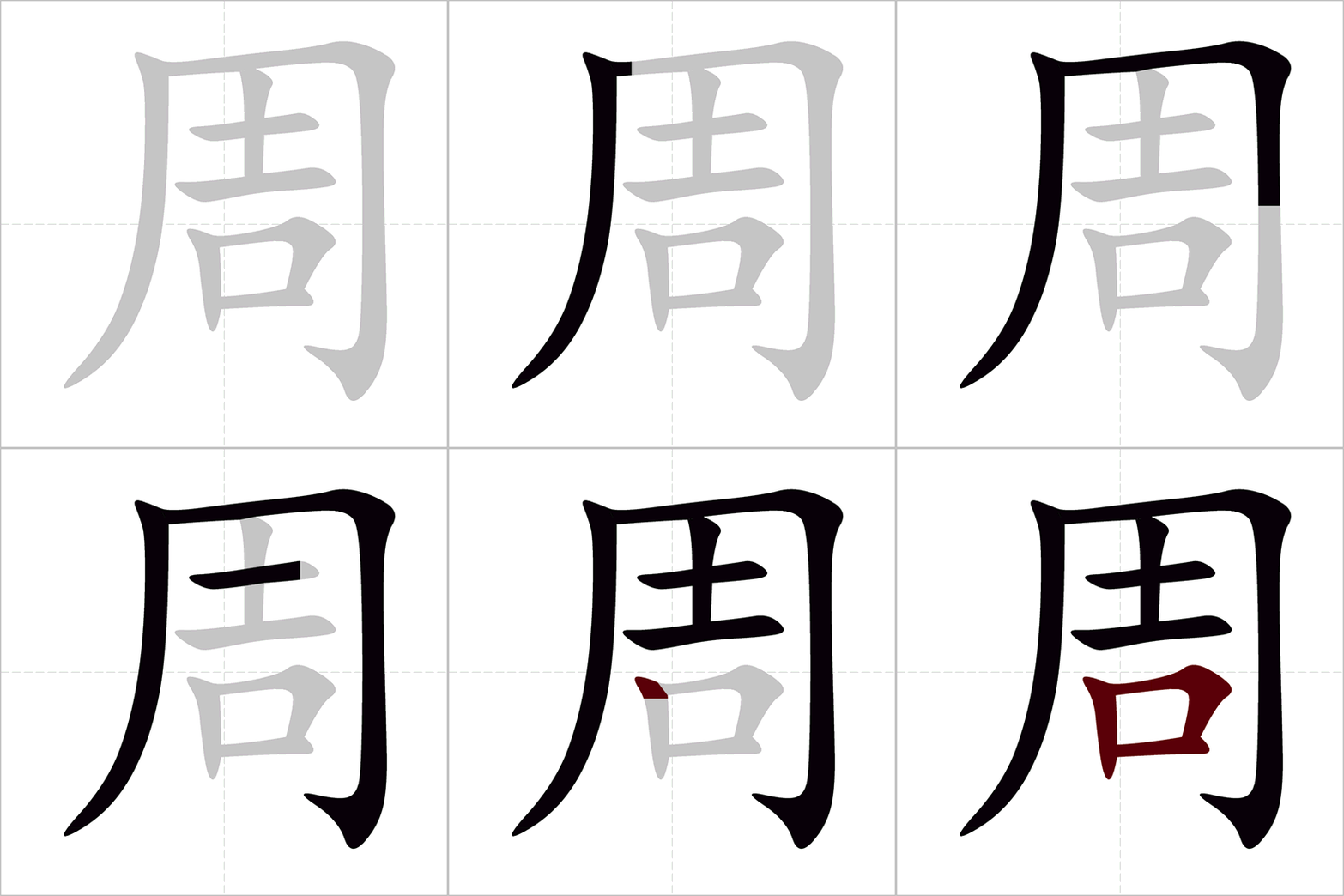
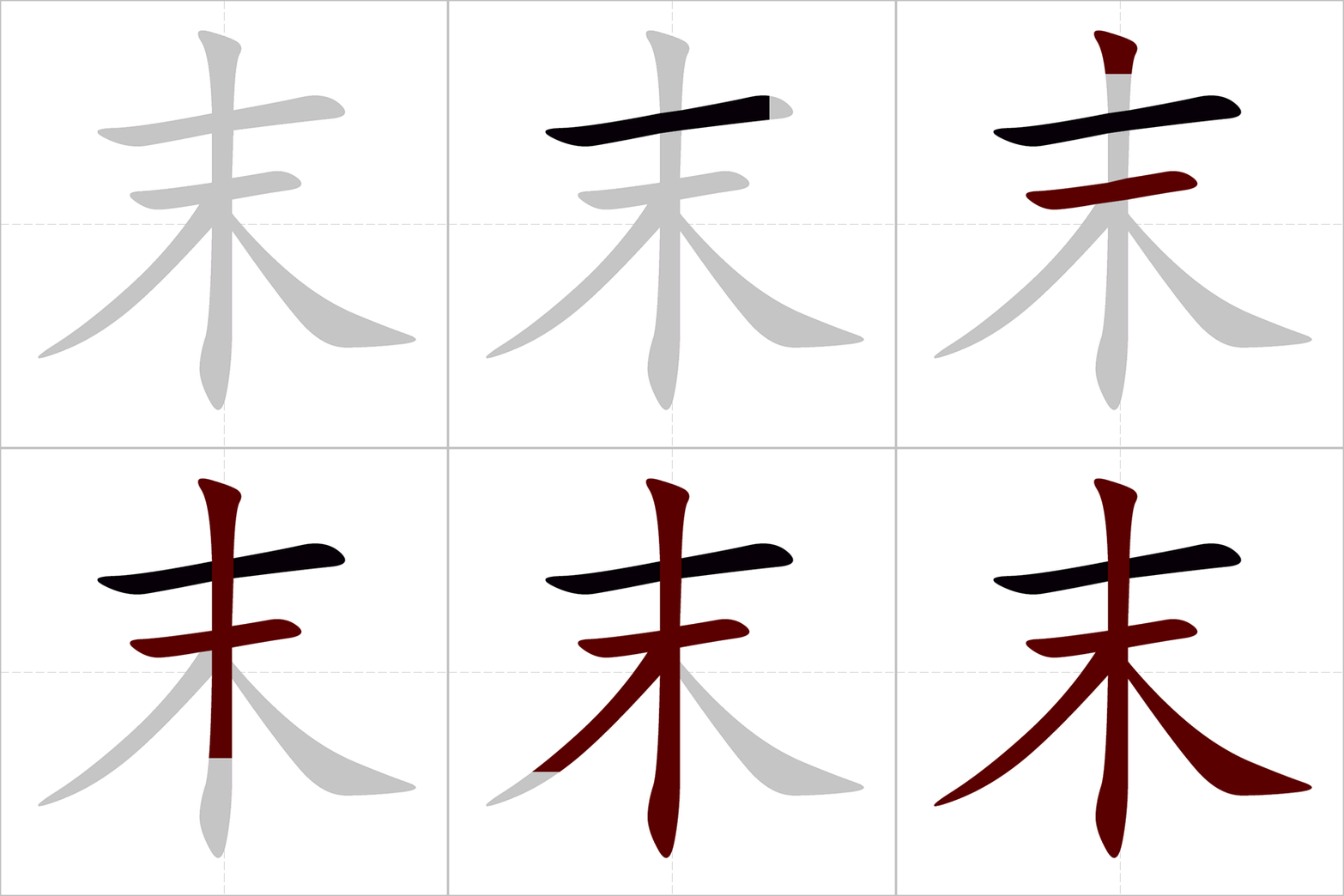
Here’s a breakdown of its components:
- 周 (zhōu): As we discussed earlier, this character can mean “circumference,” “week,” or “cycle.” It originally depicted a jade bowl, possibly symbolizing completeness or a cyclical process.

- 末 (mò): This character means “end,” “tip,” or “final part.” It originally depicted a tree with its branches cut off, symbolizing the end or extremity of something.

Combining these elements, 周末 literally means “the end of the week” or “the final part of the cycle.” This accurately reflects the modern concept of the weekend, which marks the end of the work or school week and the beginning of a period of rest or leisure.
The term 周末 is used in various contexts related to the weekend:
- 周末愉快 (zhōumò yúkuài): Have a nice weekend!
- 这个周末 (zhège zhōumò): This weekend
- 周末活动 (zhōumò huódòng): Weekend activities
By understanding the original meaning of 周末, we can appreciate its connection to the cyclical nature of time and the concept of an ending or a concluding point. It reflects the human experience of structuring time into periods of work and rest, with the weekend marking a transition from one to the other.

 How to write Chinese