

麻烦 (麻煩 in traditional form – máfan), meaning “trouble” or “inconvenience” in Chinese, has a structure that reflects the entanglements and obstacles associated with these situations.
Here’s a breakdown of its components:
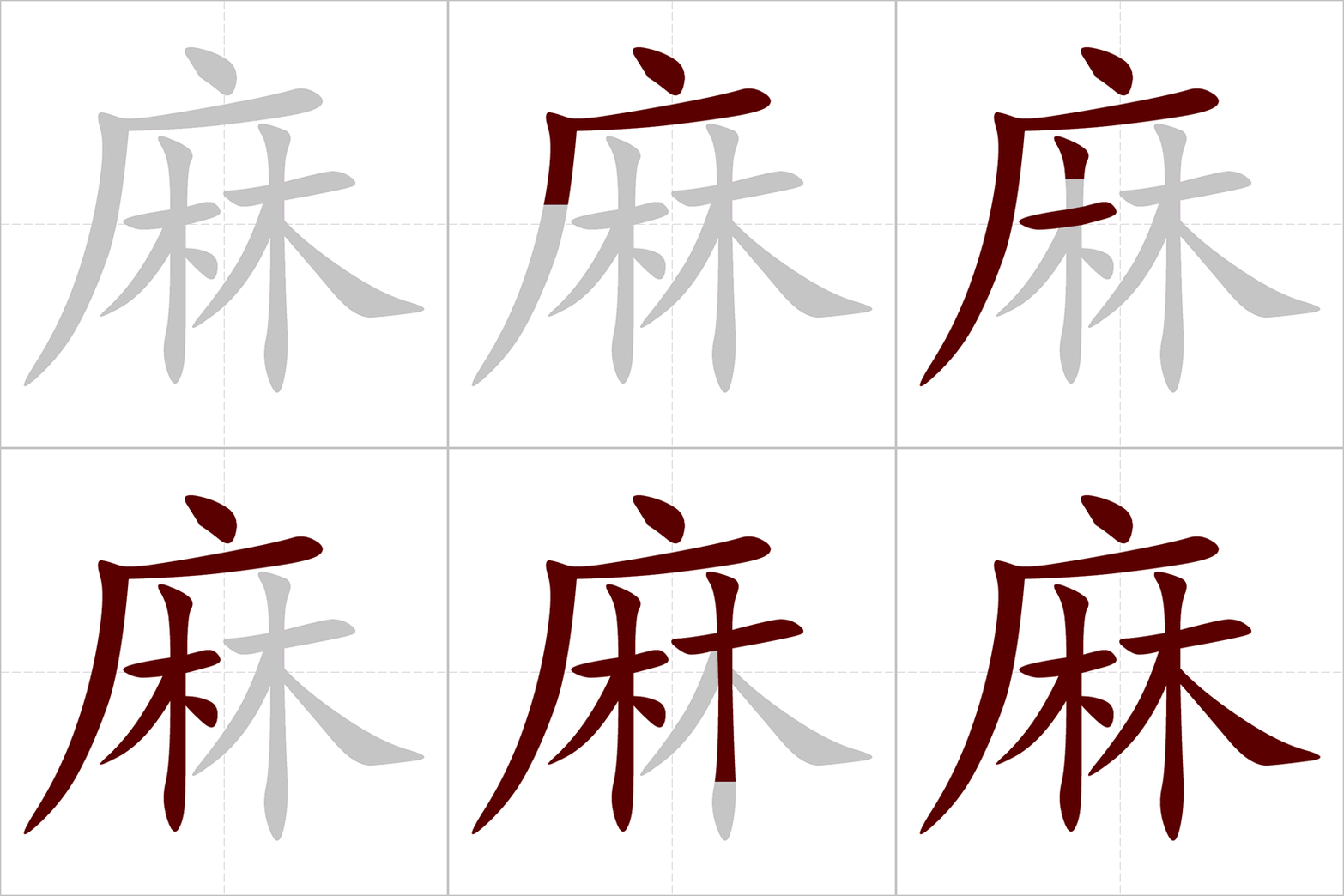
- 麻 (má): This character means “hemp” or “flax.” It originally depicted tangled fibers, symbolizing a state of being entangled or intertwined. This component hints at the complications and difficulties associated with trouble.

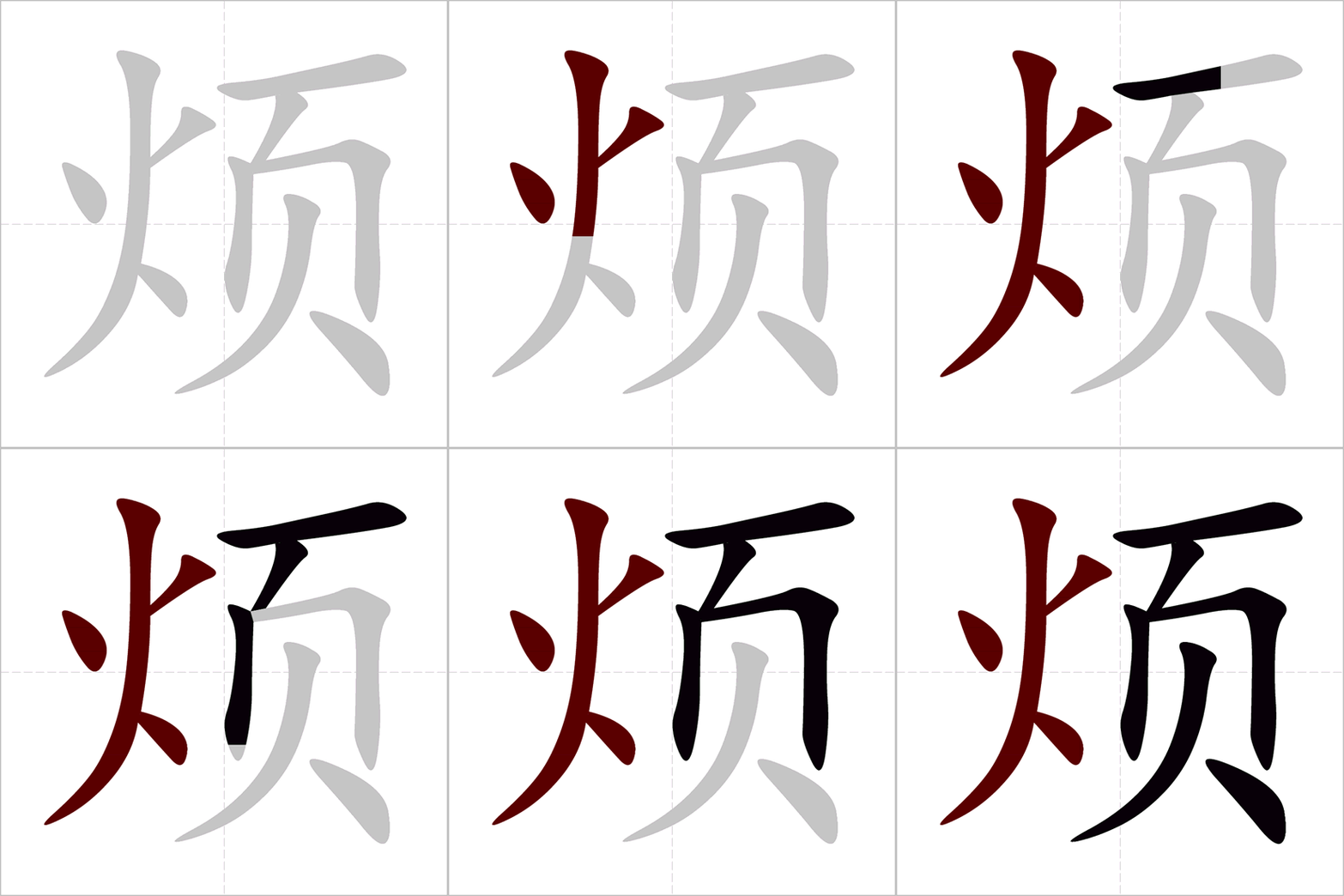
- 烦 (煩 in traditional form – fán): This character means “vexed,” “annoyed,” or “troubled.” It originally depicted a head (页 – yè) with fire (火 – huǒ) above it, symbolizing a state of mental agitation or distress.
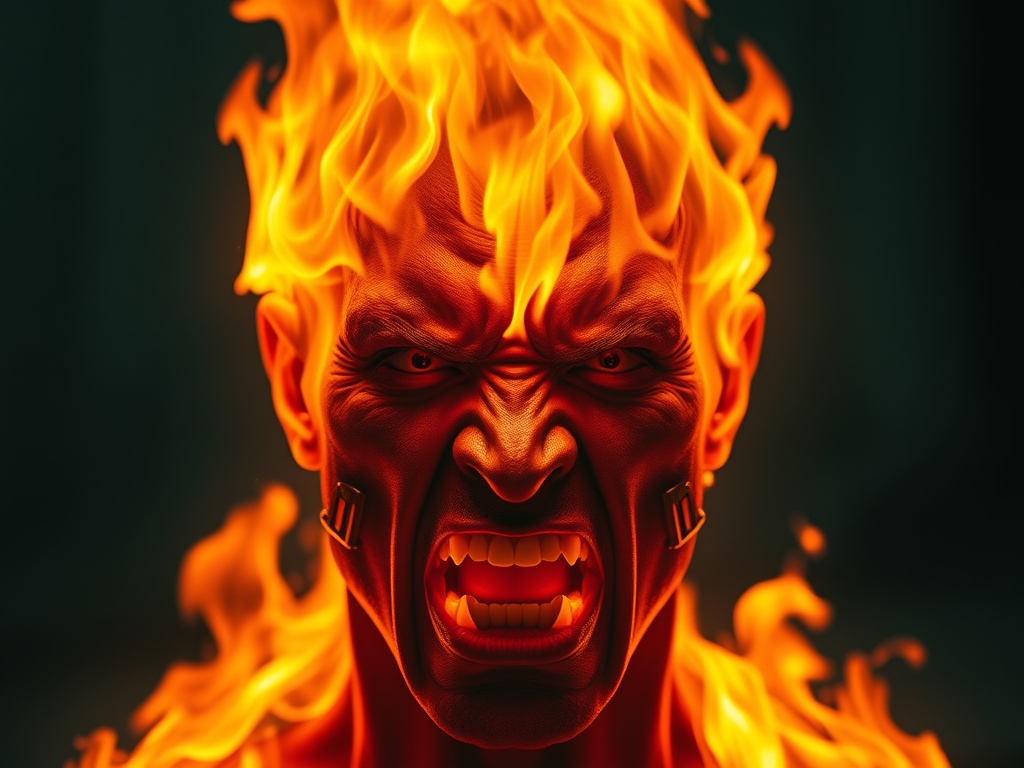
Combining these elements, 麻烦 literally means “entangled and vexed” or “troubled and annoyed.” This accurately captures the feeling of inconvenience or trouble, which often involves complications, frustrations, and a sense of being burdened.
The term 麻烦 is used in various contexts related to trouble and inconvenience:
- 麻烦你 (máfan nǐ): To trouble someone, to ask someone for a favor
- 很麻烦 (hěn máfan): Very troublesome
- 解决麻烦 (jiějué máfan): To solve a problem
By understanding the original meaning of 麻烦, we can appreciate its connection to entanglement, annoyance, and the feeling of being burdened. It reflects the human experience of encountering difficulties and obstacles that require effort and patience to overcome.

 How to write Chinese