

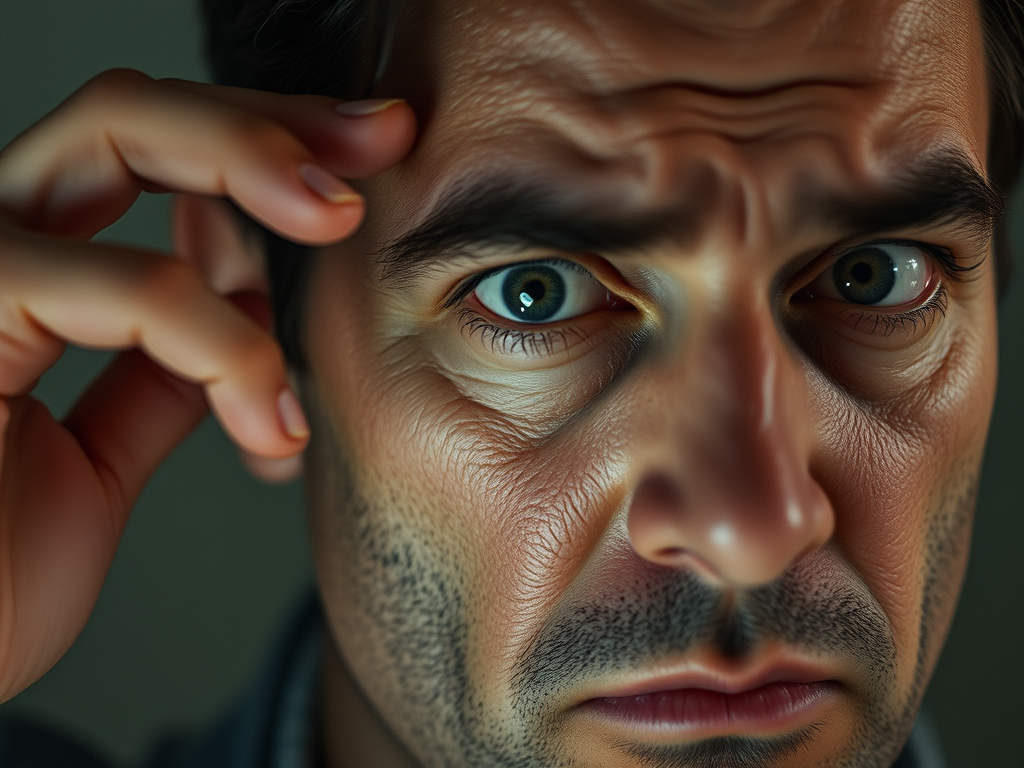
愁眉苦脸 (愁眉苦臉 in traditional form – chóu méi kǔ liǎn) is a Chinese idiom that vividly describes the facial expression of someone who is worried or distressed. Its literal meaning is “worried eyebrows and bitter face,” and each character contributes to this image of sadness and concern.
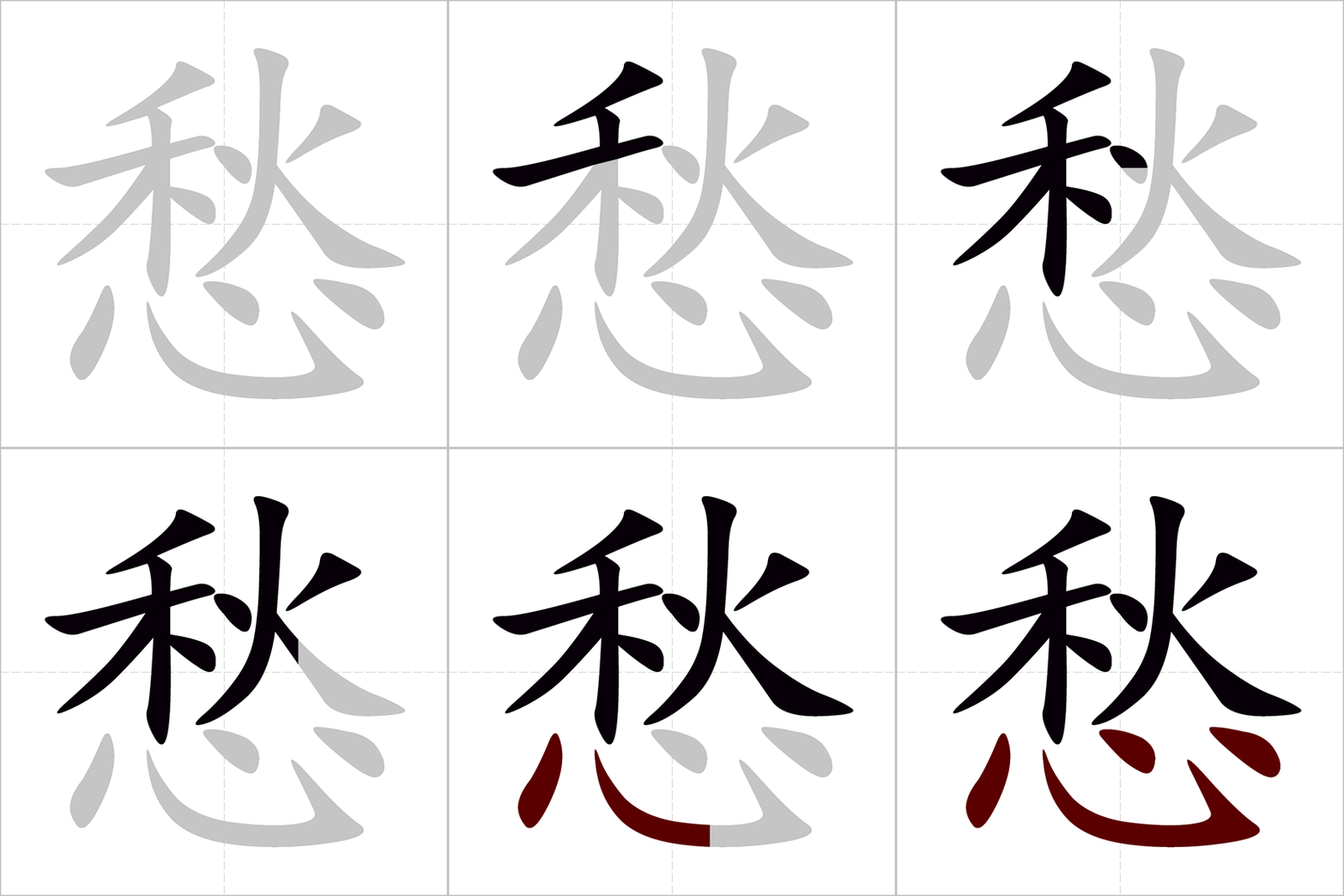
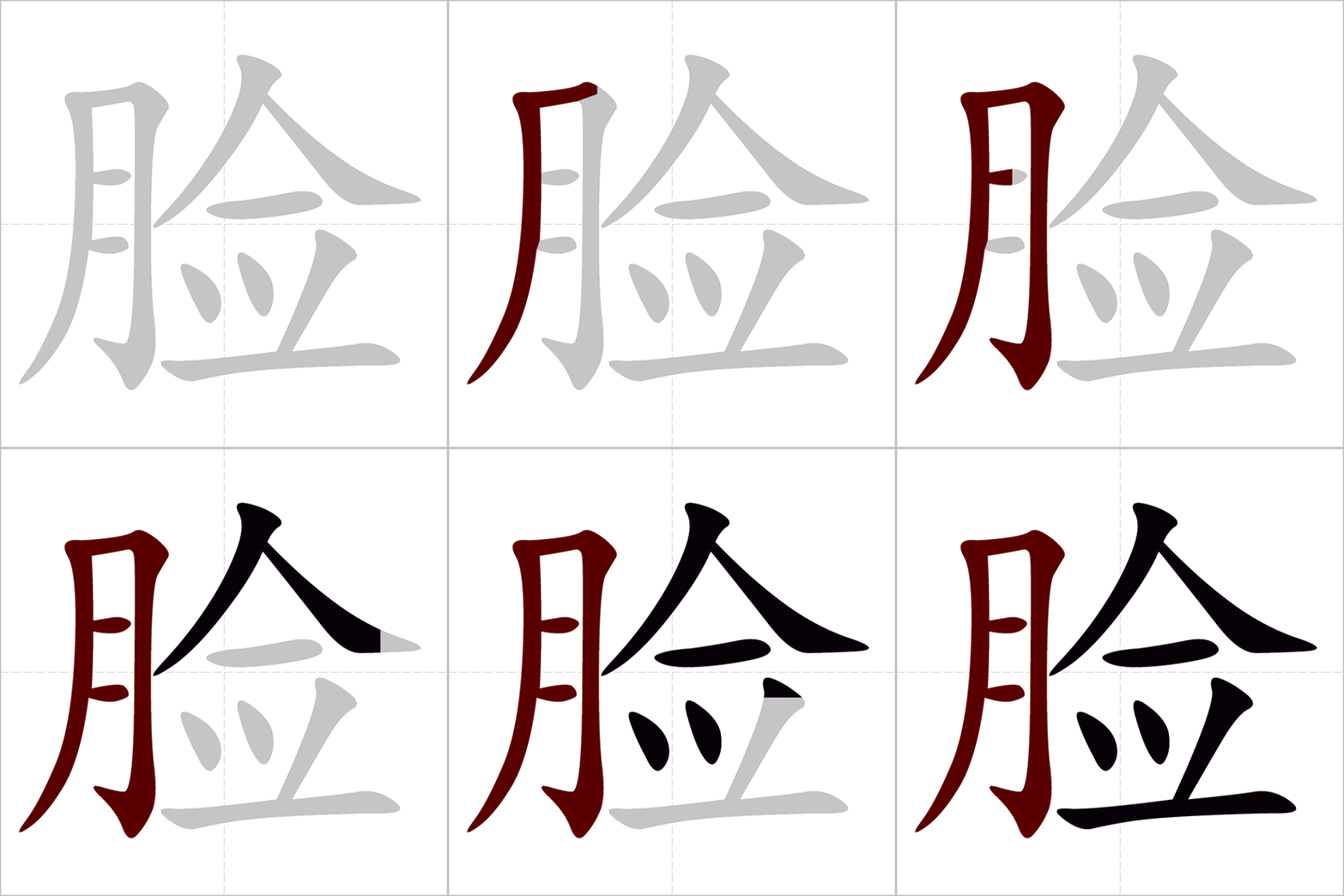
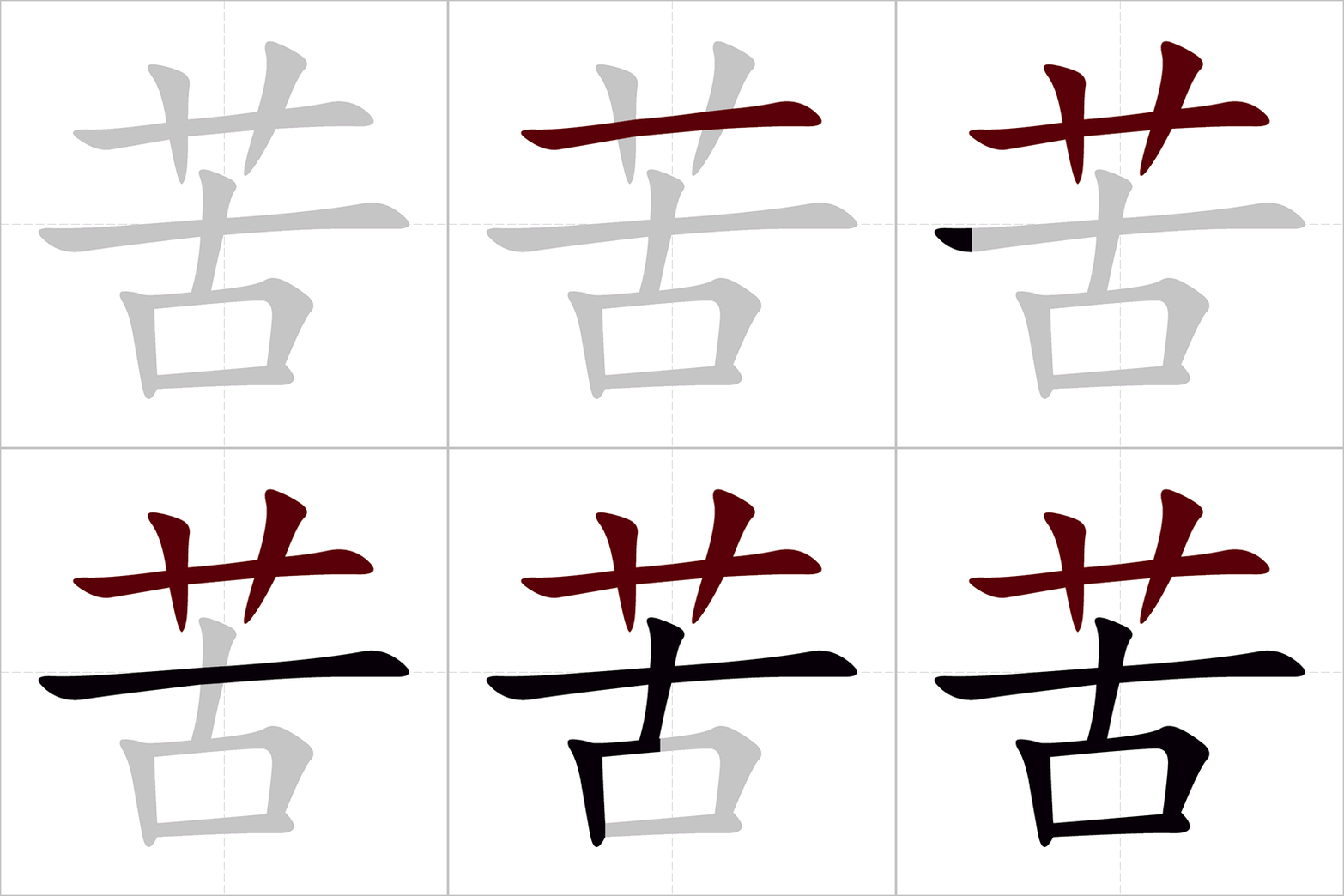
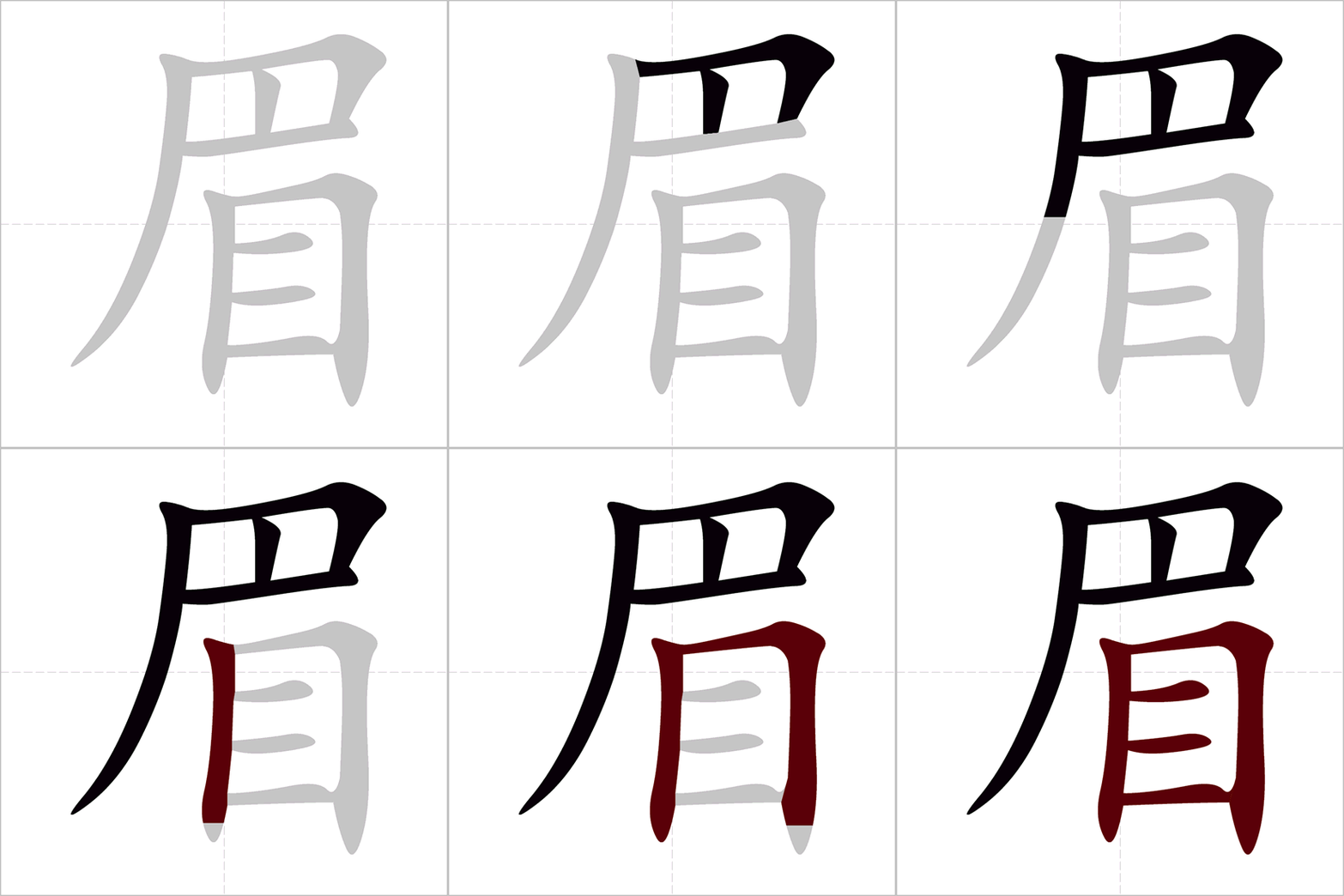
Here’s a breakdown of the components:
- 愁 (chóu): This character means “worry,” “anxiety,” or “sorrow.” It originally depicted autumn grass (秋 – qiū) and fire (火 – huǒ), possibly symbolizing the withering of plants and the fading of warmth, which could be associated with feelings of sadness or worry.

- 眉 (méi): This character means “eyebrow.” It depicts the lines above the eyes (目 – mù), which often express emotions like worry or concern when furrowed.
- 苦 (kǔ): This character means “bitter,” “painful,” or “difficult.” It originally depicted a plant with a bitter taste, symbolizing unpleasantness or hardship.
- 脸 (臉 in traditional form – liǎn): This character means “face.” It depicts the flesh (月 – yuè) and features of a person’s face, which often reflects their emotions.
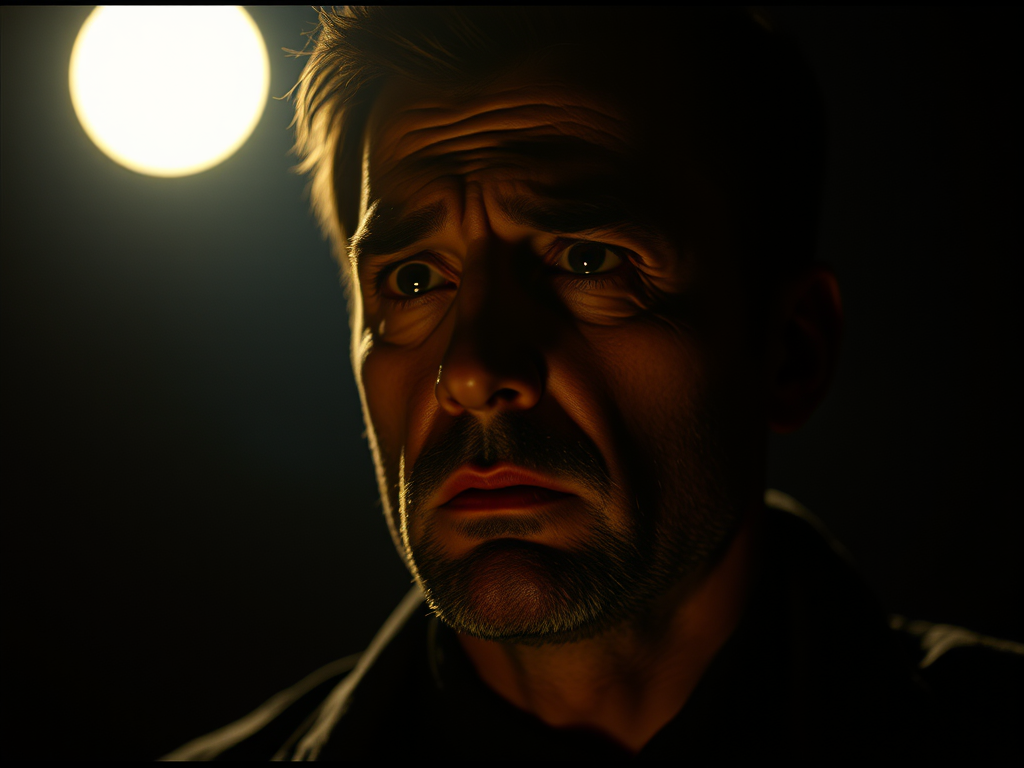
Combining these elements, 愁眉苦脸 creates a picture of a person with worried eyebrows, a bitter expression, and a sorrowful face. This idiom vividly captures the physical manifestations of worry, sadness, or distress.
愁眉苦脸 is used in various contexts to describe someone’s emotional state:
- 他愁眉苦脸地走了进来。(Tā chóu méi kǔ liǎn de zǒu le jìnlái.) – He walked in with a worried and bitter expression.
- 别愁眉苦脸的,事情会好起来的。(Bié chóu méi kǔ liǎn de, shìqíng huì hǎo qǐlái de.) – Don’t look so worried, things will get better.
By understanding the original meaning of 愁眉苦脸, we can appreciate its connection to the physical expressions of worry and sadness. It reflects the human experience of emotional distress and the way our faces can reveal our inner feelings.

 How to write Chinese