

护照 (護照 in traditional form – hùzhào), meaning “passport,” has a structure that reflects the document’s function in protecting and safeguarding individuals as they travel.
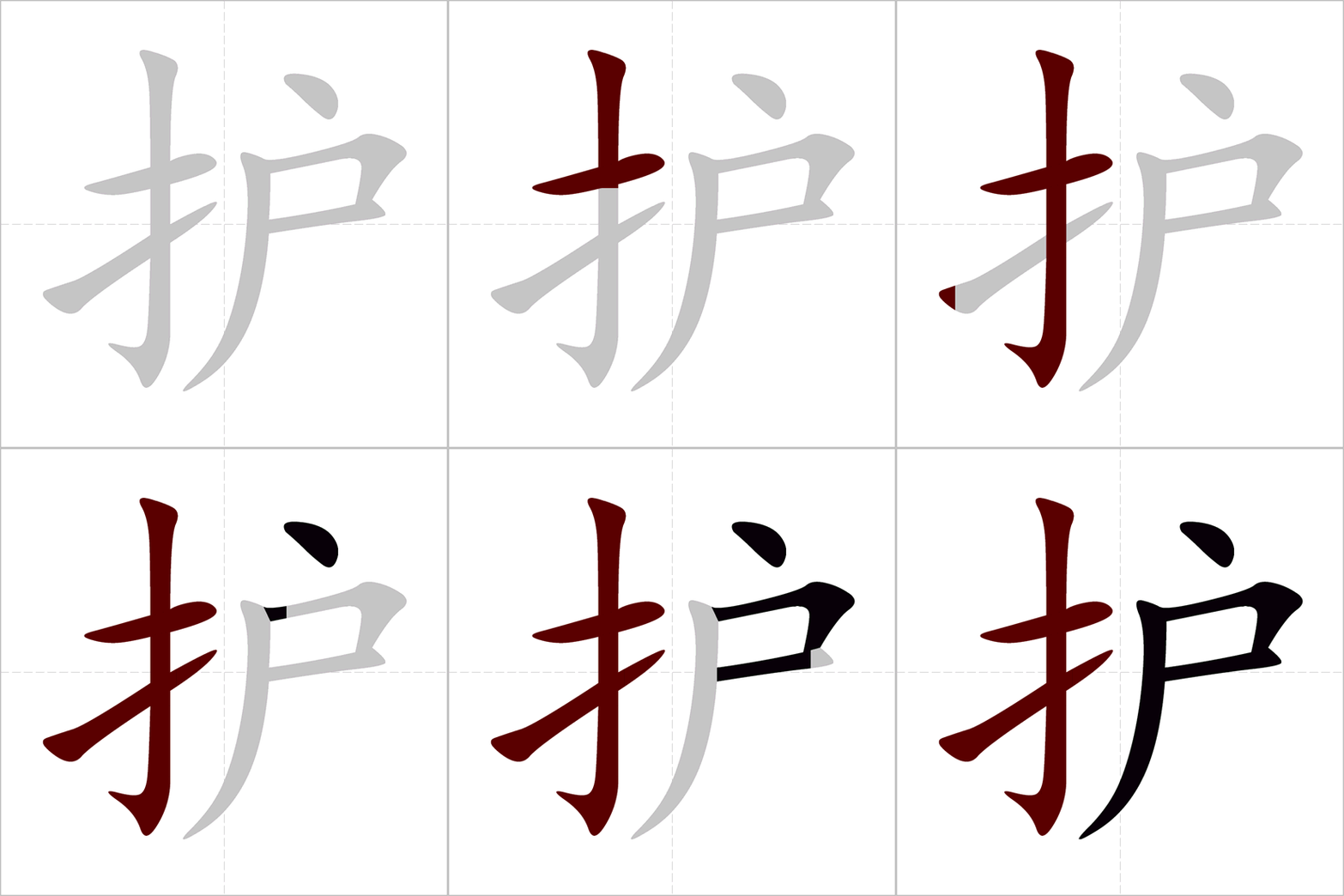
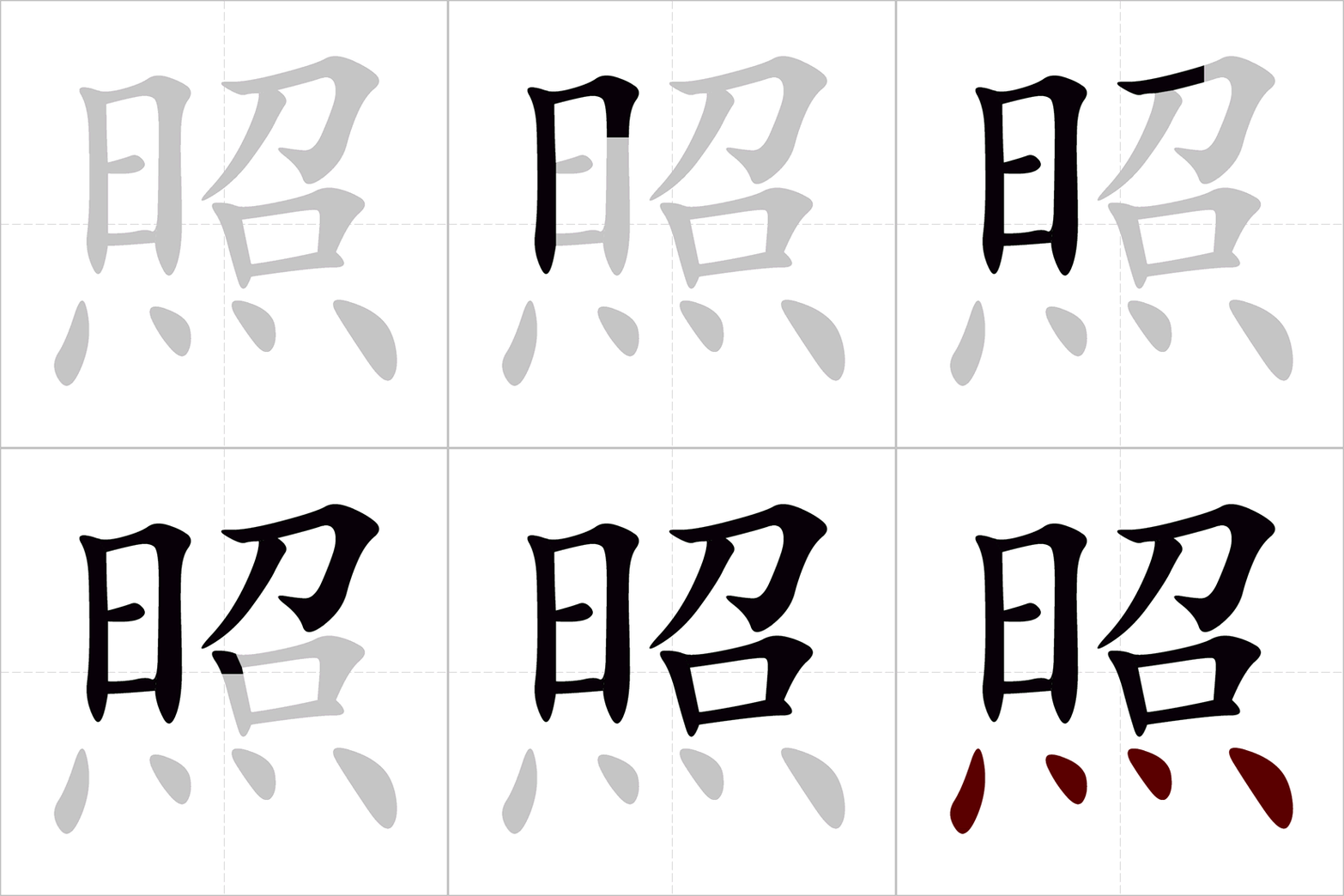
Here’s a breakdown of the characters:
- 护 (護 in traditional form – hù): This character means “to protect,” “to defend,” or “to safeguard.” It originally depicted a hand covering or shielding something, symbolizing the act of protection or defense.

- 照 (zhào): This character has various meanings, including “to shine,” “to illuminate,” “to reflect,” or “a document.” In this context, it’s believed to represent a document or certificate that grants permission or safe passage.

Combining these elements, 护照 literally means “protection document” or “document that safeguards.” This accurately captures the function of a passport, which is an official document that verifies a person’s identity and citizenship, granting them permission to travel to other countries. The passport serves as a form of protection and allows for safe passage across borders.
The term 护照 emerged as international travel became more common and formalized. It effectively combines existing characters to represent this essential travel document, highlighting its role in protecting and identifying individuals abroad.
护照 is used in various contexts related to travel and identification:
- 办理护照 (bànlǐ hùzhào): To apply for a passport
- 出示护照 (chūshì hùzhào): To present one’s passport
- 护照过期 (hùzhào guòqī): Passport expiration
By understanding the original meaning of 护照, we can appreciate its connection to protection and safe passage. It reflects the importance of identification and documentation in international travel and the role of a passport in ensuring the security and rights of travelers.

 How to write Chinese