

转机 (轉機 in traditional form – zhuǎnjī), meaning “a turnaround” or “a connecting flight,” combines the concept of change with the idea of a machine or opportunity.

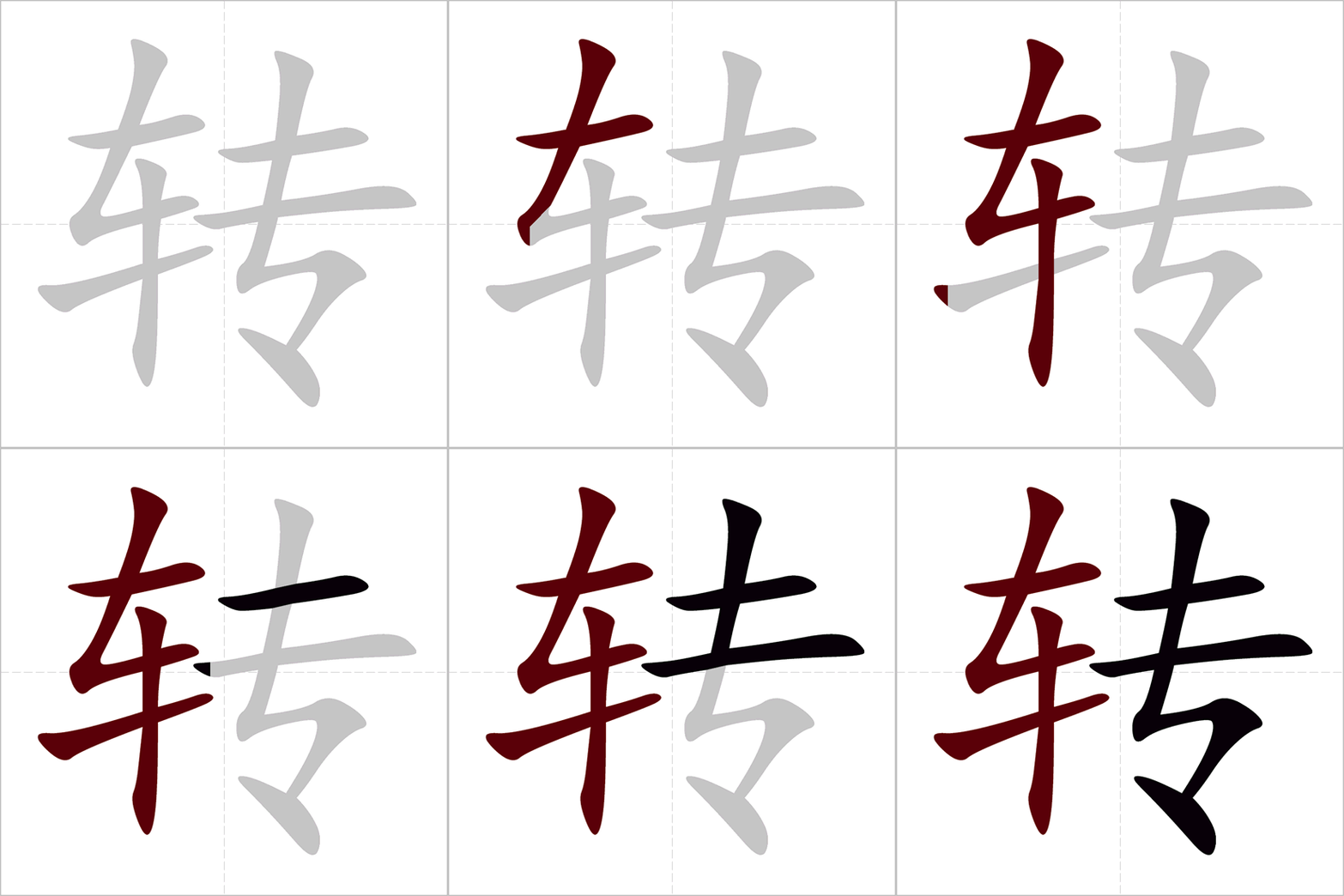
Here’s a breakdown of its components:
- 转 (轉 in traditional form – zhuǎn): As we discussed earlier, this character means “to turn,” “to change,” or “to transfer.” It originally depicted a vehicle turning, symbolizing a shift in direction or a change in circumstances.

- 机 (機 in traditional form – jī): This character originally meant “loom” or “machine.” It later came to represent “opportunity” or “crucial moment,” likely due to the intricate workings of a loom and the importance of timing in weaving. In modern usage, it can also refer to “airplane” or “aircraft.”

Combining these elements, 转机 literally means “turning opportunity” or “changing machine.” This reflects a shift in circumstances, often towards a more favorable outcome, or a change in direction that leads to a new opportunity.
The term 转机 is used in various contexts:
- Turning point: This refers to a critical moment that marks a change in direction or fortune.
- Connecting flight: This meaning arose with the development of air travel, referring to a flight that requires a change of planes to reach the final destination.
- Opportunity: This emphasizes the chance for improvement or a positive change.
Examples:
- 出现转机 (chūxiàn zhuǎnjī): A turnaround appears, a chance for improvement emerges.
- 转机航班 (zhuǎnjī hángbān): Connecting flight
- 抓住时机 (zhuāzhù shíjī): To seize the opportunity (a similar idiom)
By understanding the original meaning of 转机, we can appreciate its connection to change, opportunity, and the potential for a positive shift in circumstances. It reflects the human experience of navigating challenges and seeking new possibilities for growth and development.

 How to write Chinese