

愉快 (yúkuài), meaning “happy” or “pleasant,” has a structure that reflects the positive feelings and emotions associated with this state of mind.

Here’s a breakdown of its components:
- 愉 (yú): This character means “pleasant” or “happy.” It originally depicted a person with a relaxed and content expression, symbolizing a state of ease and joy.

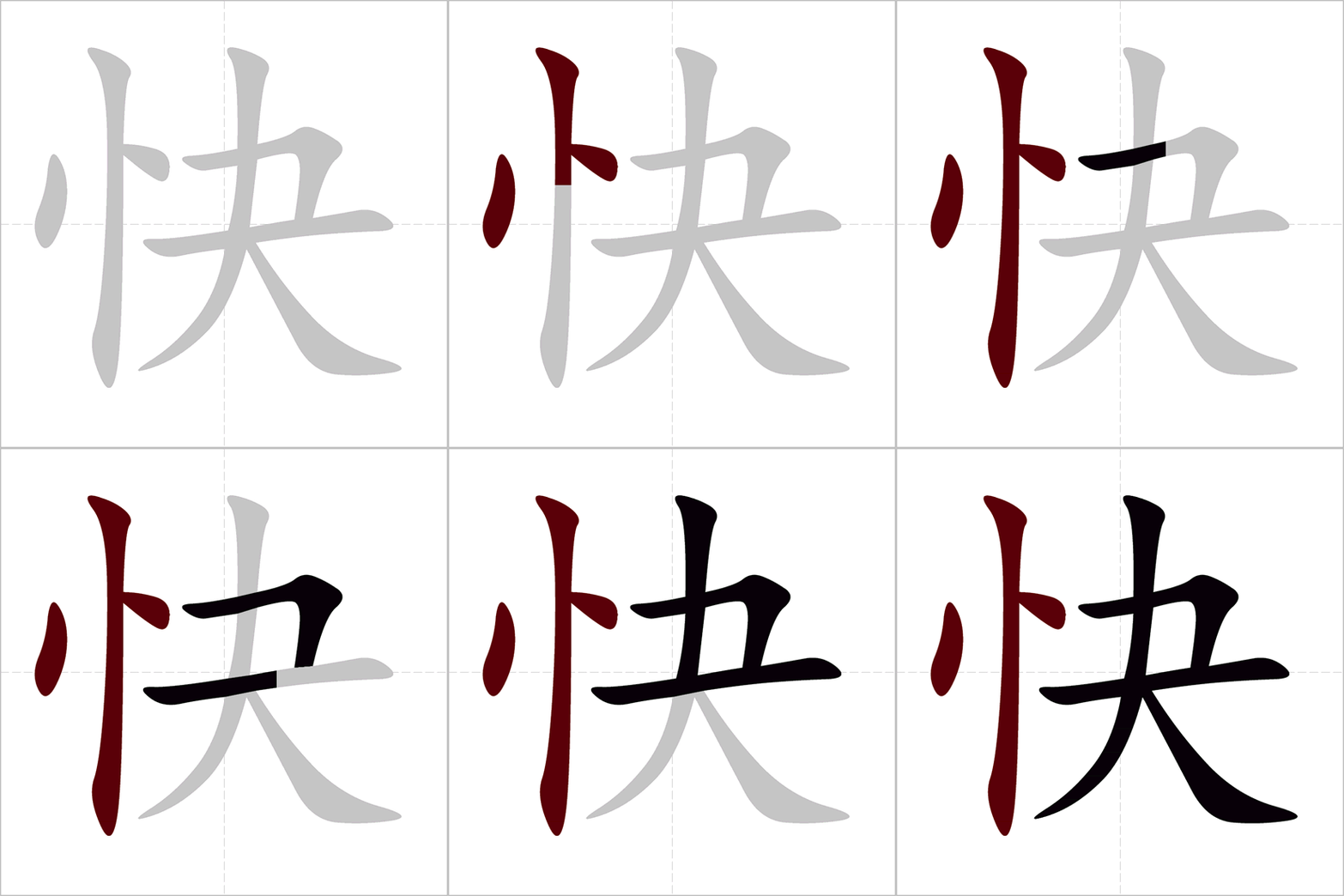
- 快 (kuài): This character means “fast,” “quick,” or “happy.” In this context, it emphasizes the feeling of joy and delight, suggesting a carefree and lighthearted state of mind.

Combining these elements, 愉快 literally means “pleasant and happy” or “joyful and carefree.” This accurately captures the feeling of happiness, which involves both a sense of contentment and a feeling of lightness and joy.
The term 愉快 is used in various contexts related to positive emotions and experiences:
- 心情愉快 (xīnqíng yúkuài): To be in a happy mood
- 旅途愉快 (lǚtú yúkuài): Have a pleasant journey!
- 玩得愉快 (wán de yúkuài): Have fun!
By understanding the original meaning of 愉快, we can appreciate its connection to feelings of joy, contentment, and a carefree state of mind. It reflects the human desire for happiness and the positive emotions that enrich our lives.

 How to write Chinese