

外卖 (外賣 in traditional form – wàimài) translates to “takeaway” or “food delivery” in Chinese. Its structure reflects the act of bringing food from outside to be consumed elsewhere.

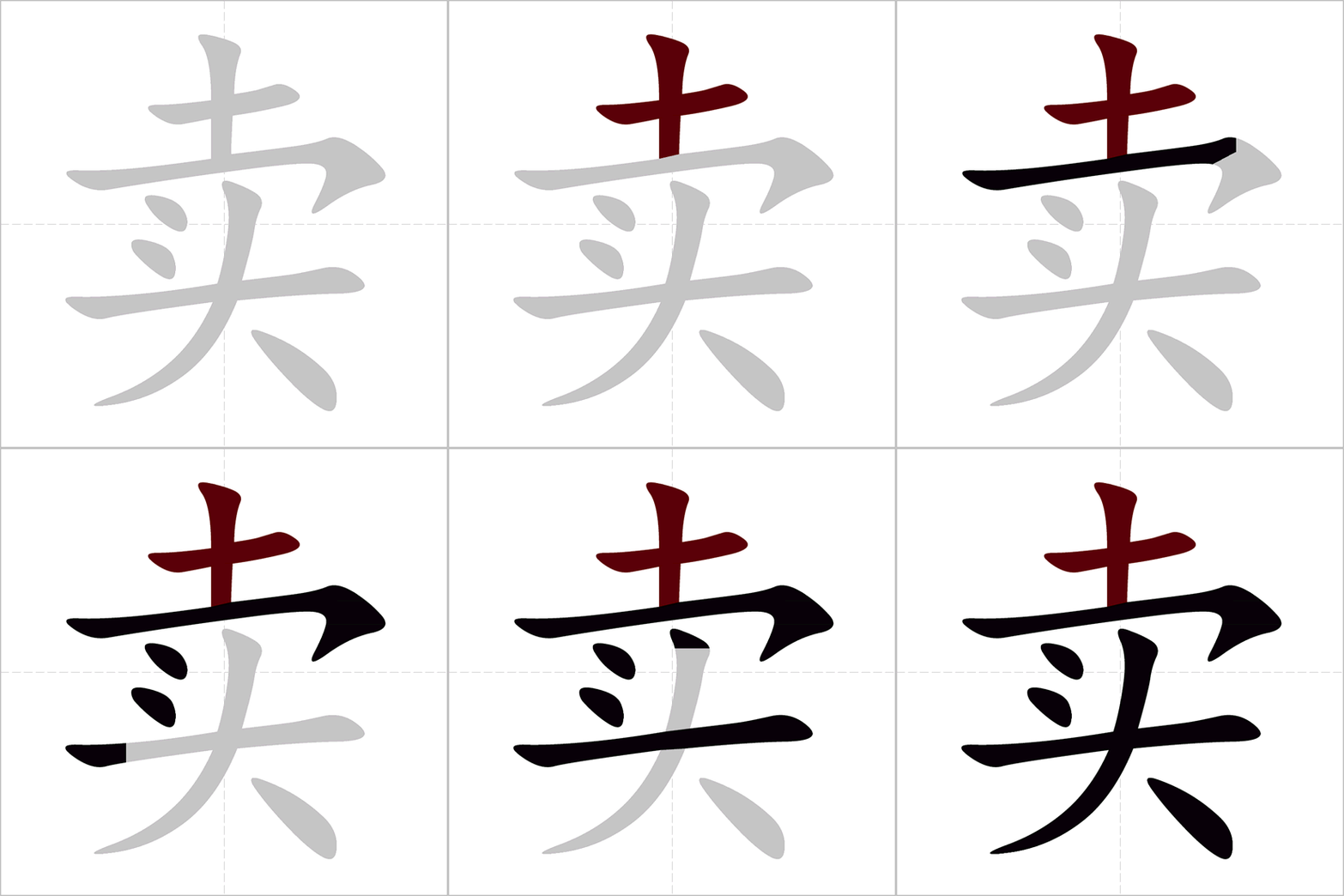
Here’s a breakdown of its components:
- 外 (wài): This character means “outside” or “external.” It originally depicted a person standing outside a doorway, symbolizing something beyond a boundary or outside a defined space.

- 卖 (賣 in traditional form – mài): This character means “to sell” or “to trade.” It originally depicted a hand holding a valuable object, possibly for exchange or trade.

Combining these elements, 外卖 literally means “outside sell” or “to sell from outside.” This accurately captures the essence of takeaway or food delivery, where food is prepared in a restaurant or eatery and then sold to be consumed elsewhere.
The term 外卖 emerged as restaurants and food delivery services became more prevalent in the 20th century. It effectively combines existing characters to represent this modern practice, highlighting the origin of the food from an outside establishment.
外卖 is used in various contexts related to food and delivery:
- 点外卖 (diǎn wàimài): To order takeaway
- 外卖员 (wàimàiyuán): Delivery person
- 外卖平台 (wàimài píngtái): Food delivery platform
By understanding the original meaning of 外卖, we can appreciate its connection to the practice of purchasing food from an outside source. It also reflects the evolution of dining habits and the convenience of food delivery services in modern society.

 How to write Chinese