

拿铁 (ná tiě) is the Chinese term for “latte,” the popular coffee beverage. While it might seem like a simple phonetic translation of the Italian word “latte,” its structure actually has a deeper connection to the preparation of this drink.

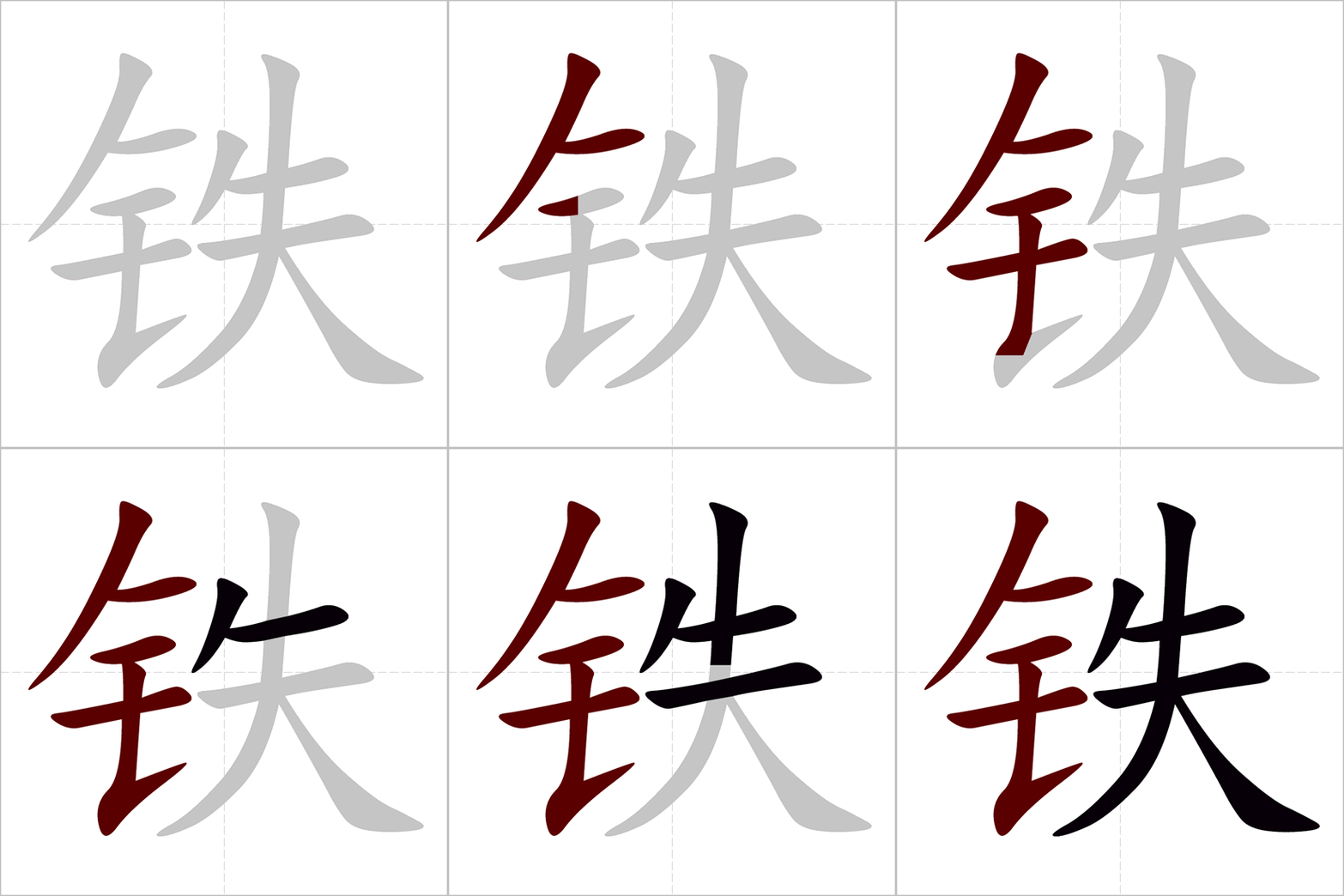
Here’s a breakdown of its components:
- 拿 (ná): This character means “to hold” or “to take.” It originally depicted a hand reaching out to grasp something, symbolizing the act of holding or taking possession of something.

- 铁 (鐵 in traditional form – tiě): This character means “iron” or “metal.” It’s a pictogram that originally depicted a metal object, symbolizing strength and durability.

Now, this is where it gets interesting. While “iron” might seem unrelated to coffee, it’s believed that in this context, 铁 refers to the metal pitcher traditionally used to steam and froth milk for lattes.
Combining these elements, 拿铁 literally means “to hold the (milk frothing) iron” or “to take the metal (pitcher).” This reflects the barista’s action of holding and using the metal pitcher to prepare the milk for a latte.
The term 拿铁 emerged as coffee culture became more prevalent in China, and it provides a culturally relevant way to refer to this specific type of coffee drink. The emphasis on the “iron” or “metal” pitcher highlights the importance of the milk frothing process in creating a latte, distinguishing it from other coffee beverages.
The term 拿铁 is used in various contexts related to coffee:
- 拿铁咖啡 (nátiě kāfēi): Latte (with the added word for “coffee”)
- 一杯拿铁 (yībēi nátiě): A cup of latte
- 热的拿铁 (rè de nátiě): Hot latte
By understanding the original meaning of 拿铁, we can appreciate its connection to the preparation and cultural significance of this coffee beverage in China. It also demonstrates how language adapts to incorporate new culinary traditions and terms.

 How to write Chinese