

While 芝士 (zhīshì) is the modern Chinese term for “cheese,” its components have a history that links back to traditional Chinese ingredients and flavors. It’s a fascinating example of how language adapts to incorporate new foods and culinary concepts.
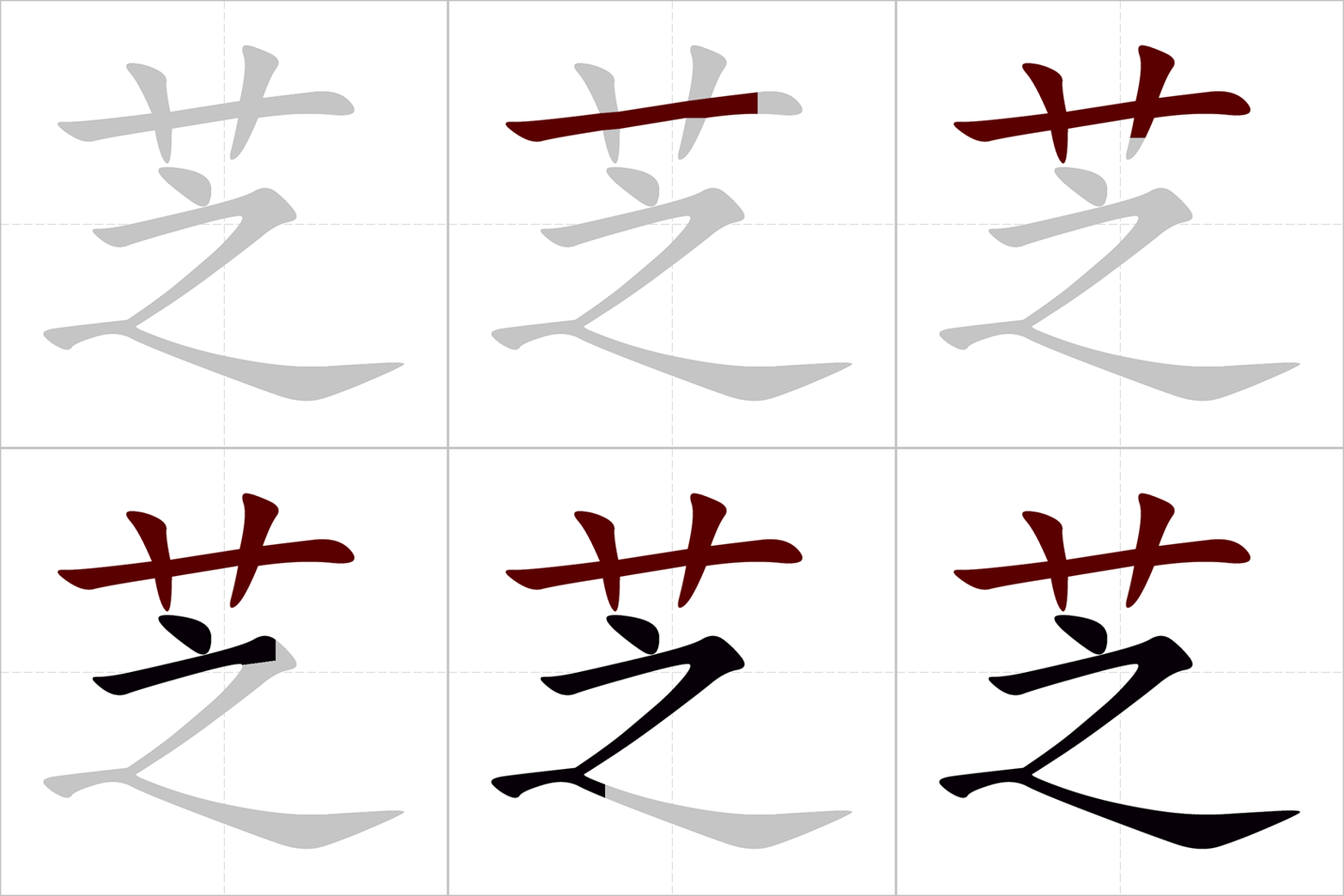
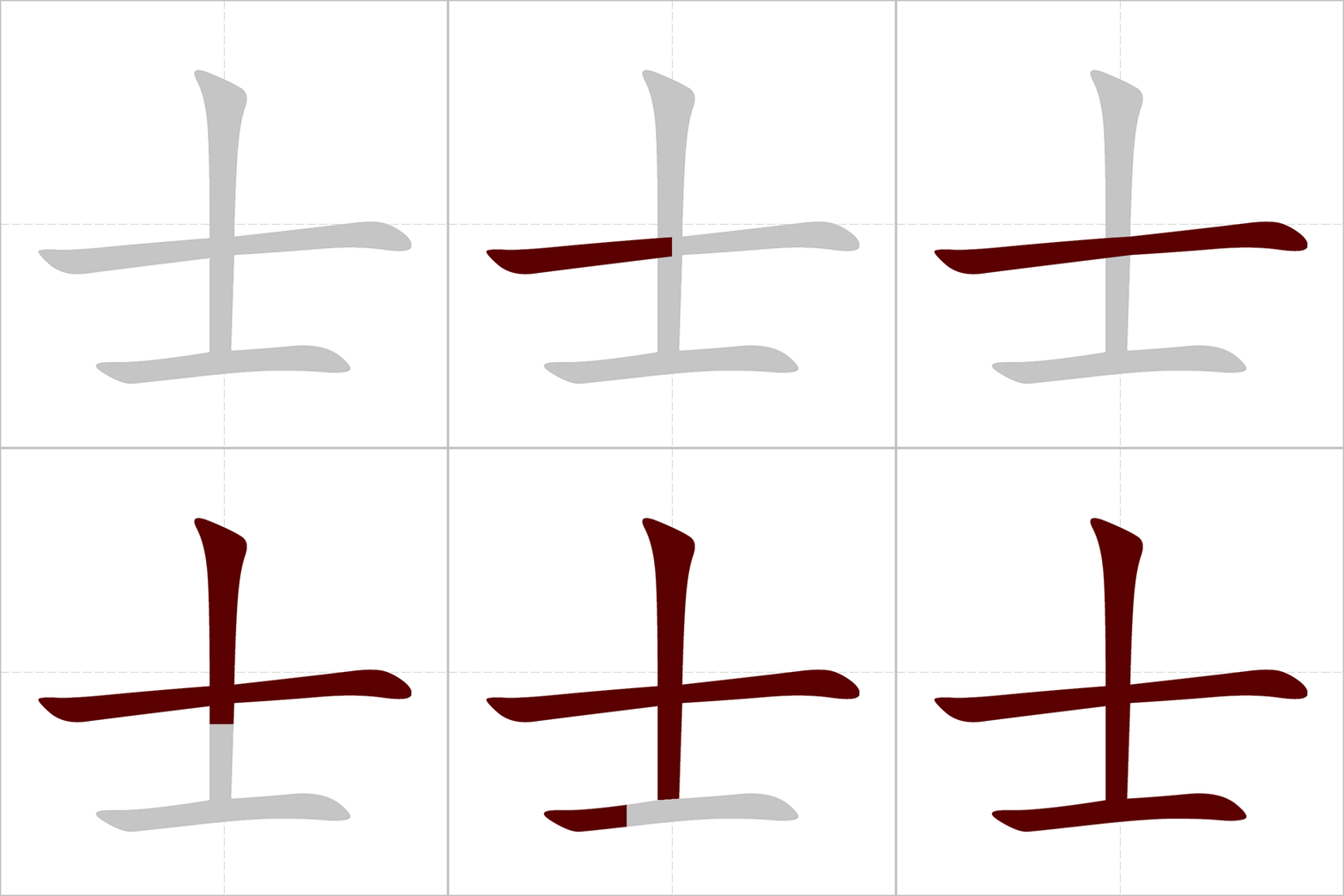
Here’s a breakdown of the characters:
- 芝 (zhī): This character originally referred to a type of fragrant mushroom or fungus, often used in traditional Chinese medicine and cuisine. It symbolizes a plant-based ingredient with distinctive flavor and properties.

- 士 (shì): This component originally represented a scholar or a person of high social standing. However, in this context, it’s believed to primarily serve as a phonetic component, providing a sound hint similar to the word for “cheese” (shì).

Combining these elements, the term 芝士 was likely coined to represent this new dairy product from the West, drawing a comparison to familiar Chinese ingredients. The “mushroom” component might have been chosen due to the texture or appearance of certain cheeses, while the phonetic component helps to approximate the pronunciation of “cheese.”
This combination of semantic and phonetic elements is a common feature in the evolution of Chinese characters, allowing the language to adapt and incorporate new concepts while maintaining its structure and cultural relevance.
While the original meaning of 芝 might not be directly related to cheese, the term 芝士 has become firmly established in Chinese to represent this dairy product, highlighting the cultural exchange and adaptation of culinary terms.

 How to write Chinese