

巧克力 (qiǎokèlì) is the Chinese term for “chocolate,” and unlike many other Chinese characters, it doesn’t have a long history or a pictogram-based origin. It’s a relatively modern term that was adopted phonetically from the word “chocolate” in European languages.


Here’s why it’s interesting:
- Phonetic borrowing: 巧克力 is an example of phonetic borrowing, where the sounds of a foreign word are represented using existing Chinese characters. The characters were chosen based on their pronunciation, not their original meanings.
- Meaningless components: The individual characters in 巧克力 (巧 – qiǎo, 克 – kè, 力 – lì) don’t have any direct connection to the meaning of “chocolate.”
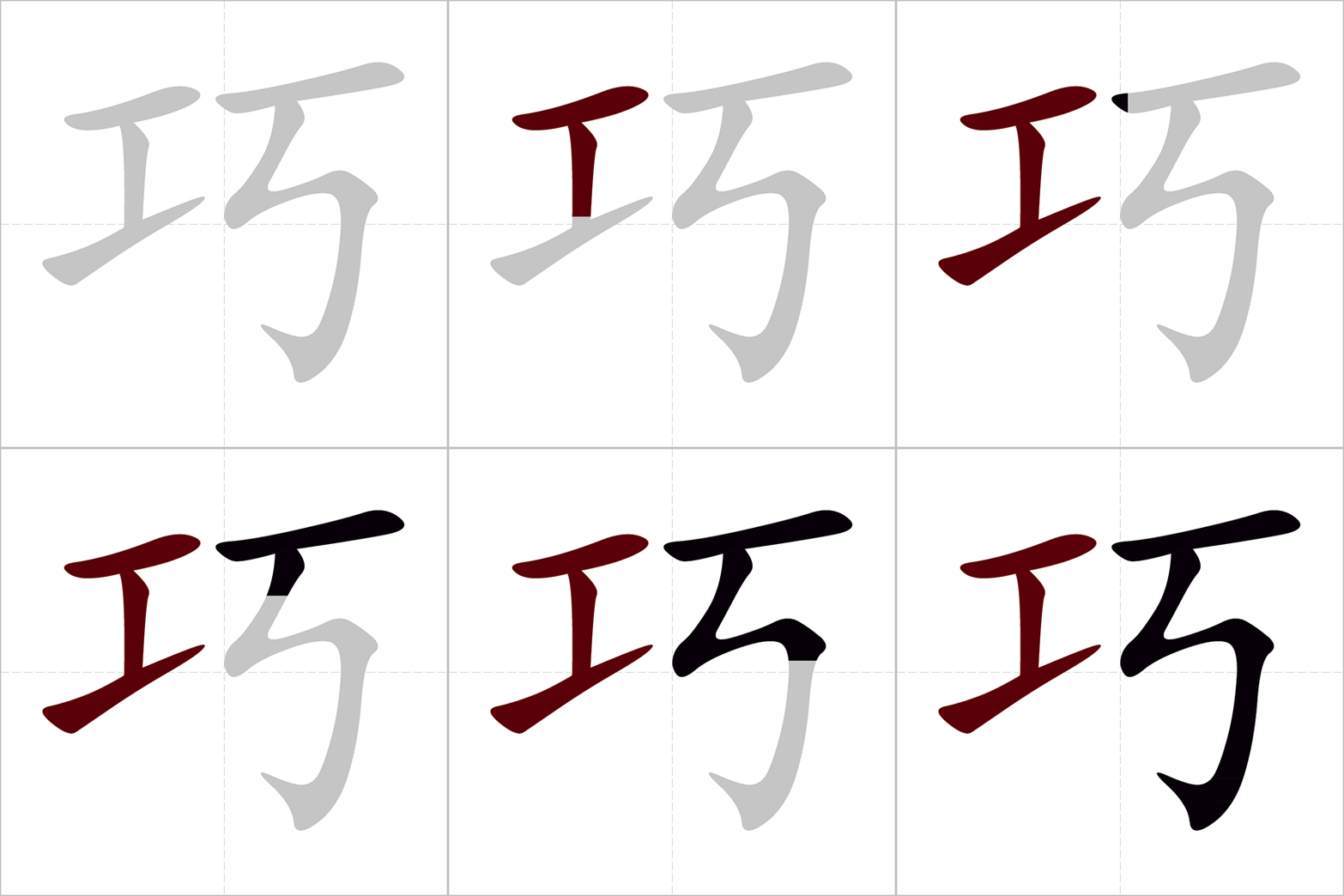
- 巧 originally meant “skillful” or “ingenious.”
- 克 originally meant “to overcome” or “to subdue.”
- 力 means “strength” or “power.”
- Combined pronunciation: When combined, the pronunciation of these characters (qiǎo kè lì) approximates the sound of “chocolate.”
This phonetic borrowing is a common way that the Chinese language has adapted to incorporate new words and concepts from other cultures. It allows for the seamless integration of foreign terms while maintaining the structure of the Chinese writing system.
While the individual characters in 巧克力 might not have specific meanings related to chocolate, the term itself has become firmly established in Chinese to represent this beloved treat.

 How to write Chinese