

害怕 (hàipà), meaning “to be afraid” or “to fear,” combines two characters that individually convey a sense of apprehension and aversion.
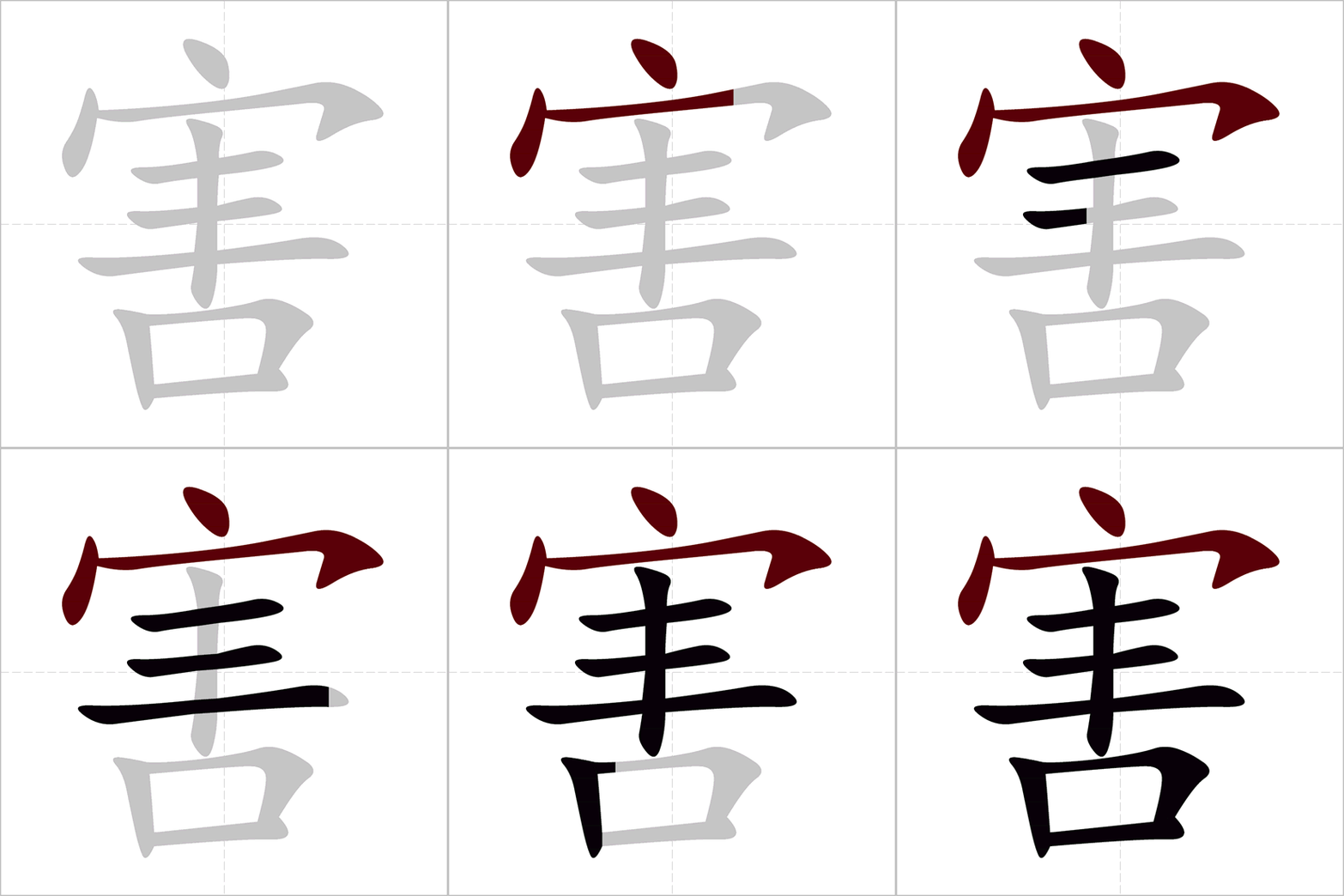
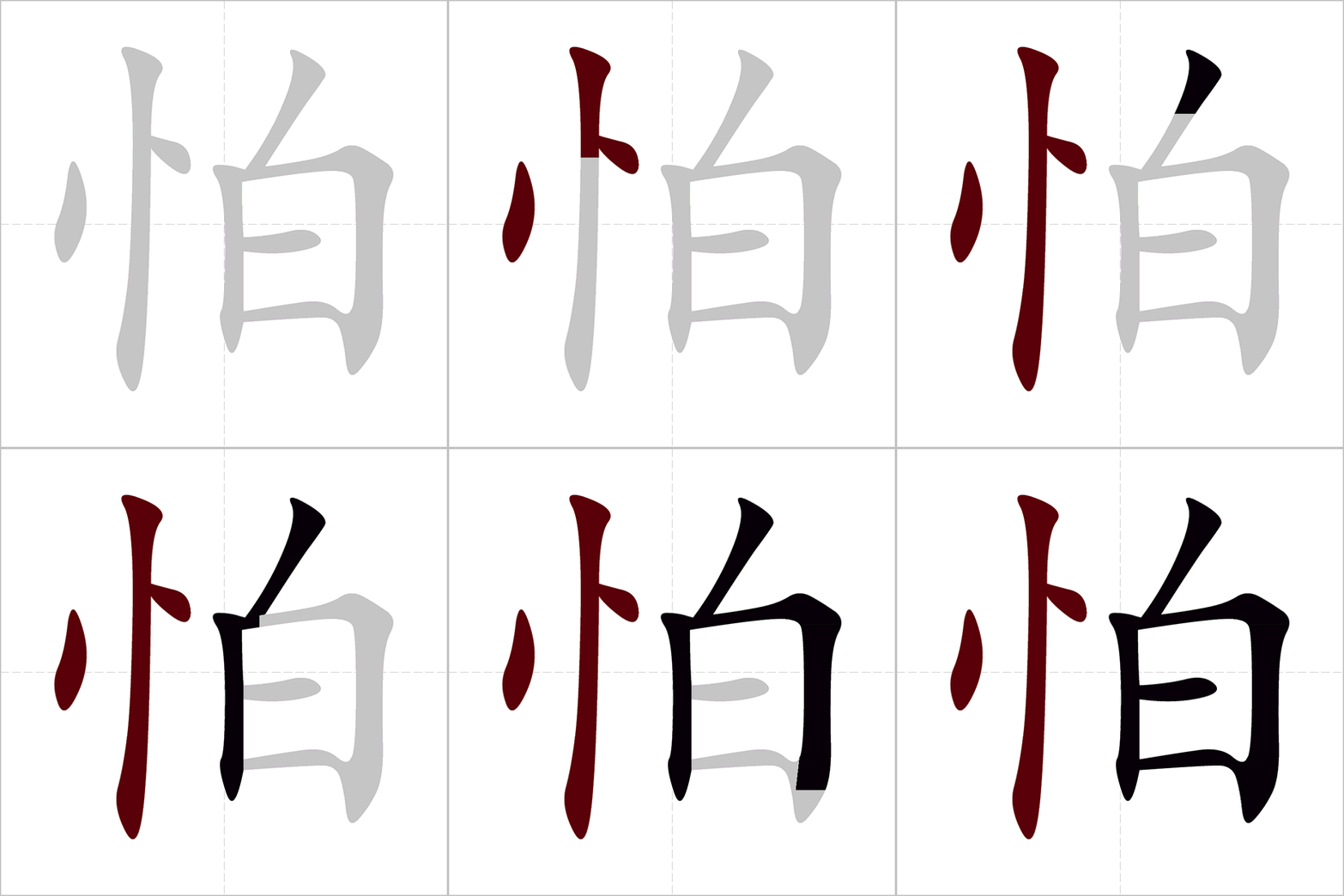
Here’s a breakdown of their original meanings:
- 害 (hài): This character originally depicted a person trapped or entangled in a net, symbolizing harm, injury, or danger. It evokes a sense of being threatened or endangered.

- 怕 (pà): This character originally depicted a heart (心 – xīn) with a white line through it, symbolizing a feeling of aversion or unease. It conveys a sense of apprehension or fear.

Combining these elements, 害怕 literally means “to be harmed and apprehensive” or “to fear danger.” This accurately captures the feeling of fear, which involves both a perception of threat and an emotional response of anxiety or dread.
The term 害怕 is used in various contexts related to fear and anxiety:
- 害怕黑暗 (hàipà hēi’àn): To be afraid of the dark
- 不要害怕 (bùyào hàipà): Don’t be afraid
- 恐惧 (kǒngjù): Fear, terror (a more intense synonym for 害怕)
By understanding the original meaning of 害怕, we can appreciate its connection to the human experience of fear and the physical and emotional responses associated with it. It reflects the innate human instinct to avoid danger and protect oneself from harm.

 How to write Chinese