

南瓜灯 (南瓜燈 in traditional form – nánguādēng) means “jack-o’-lantern” in Chinese. Its structure is quite literal, describing the components that make up this Halloween decoration.
Here’s a breakdown:
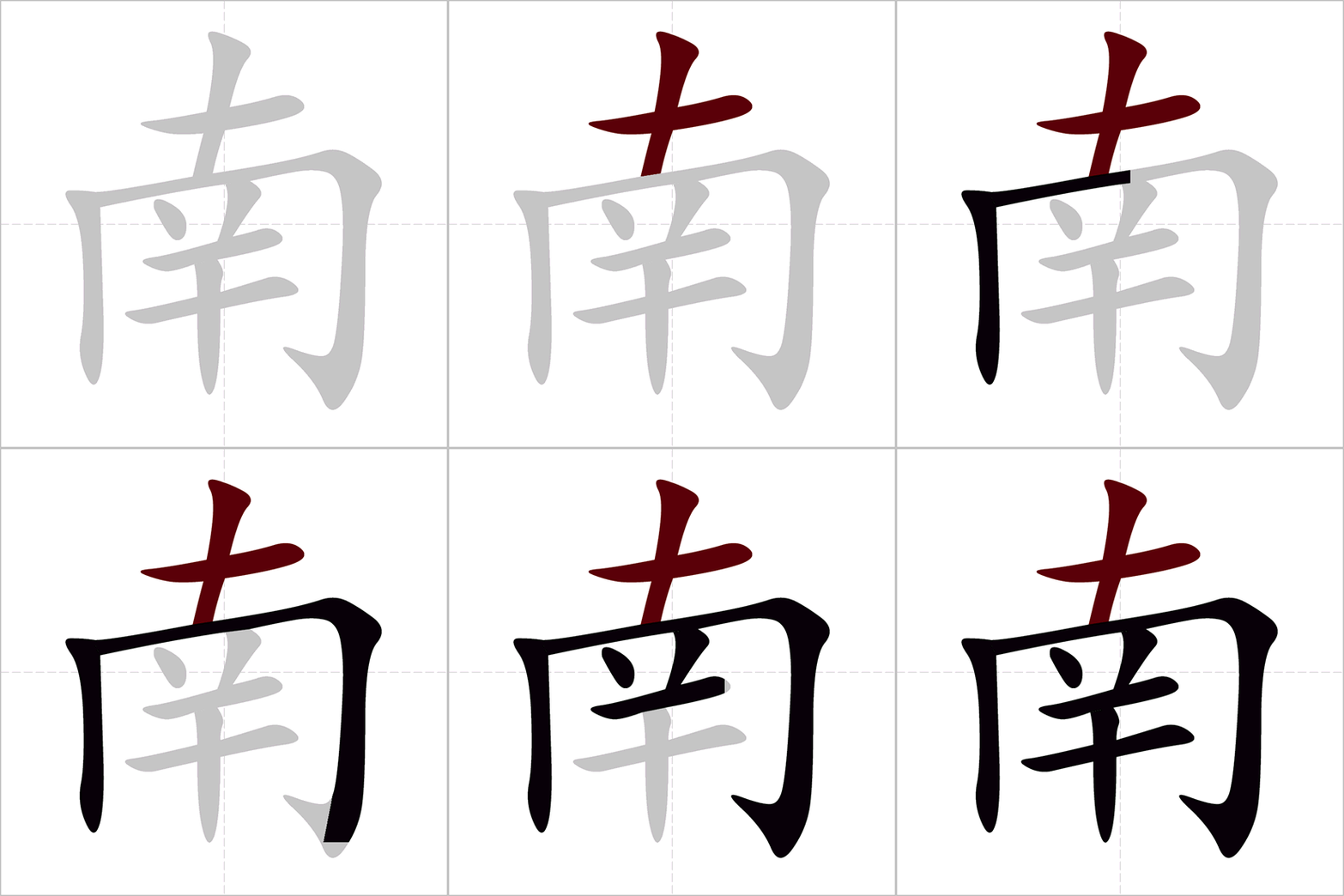
- 南 (nán): This character means “south.” While it might seem unrelated to pumpkins or lanterns, it’s believed to have been used here to refer to a specific type of gourd or squash that was introduced to China from the south.
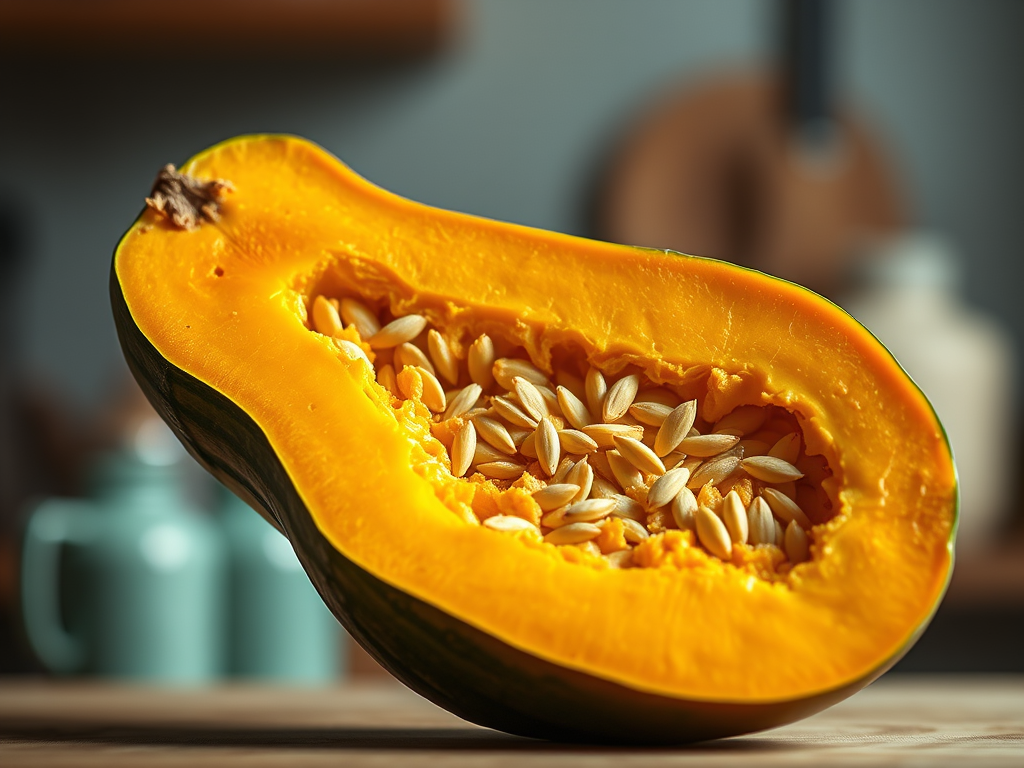
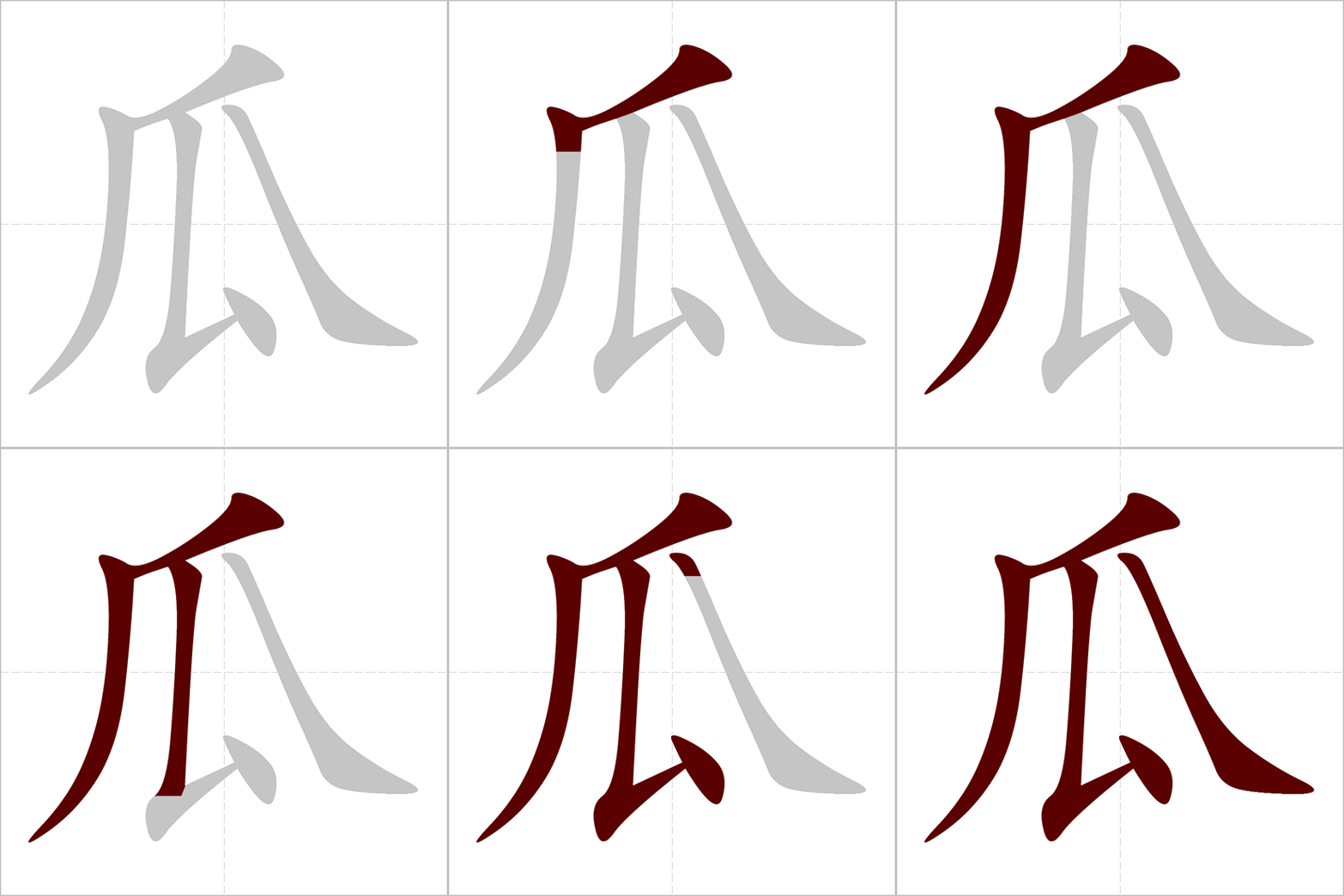
- 瓜 (guā): This character means “melon,” “gourd,” or “squash.” It’s a pictogram that depicts a vine with a large fruit hanging from it.

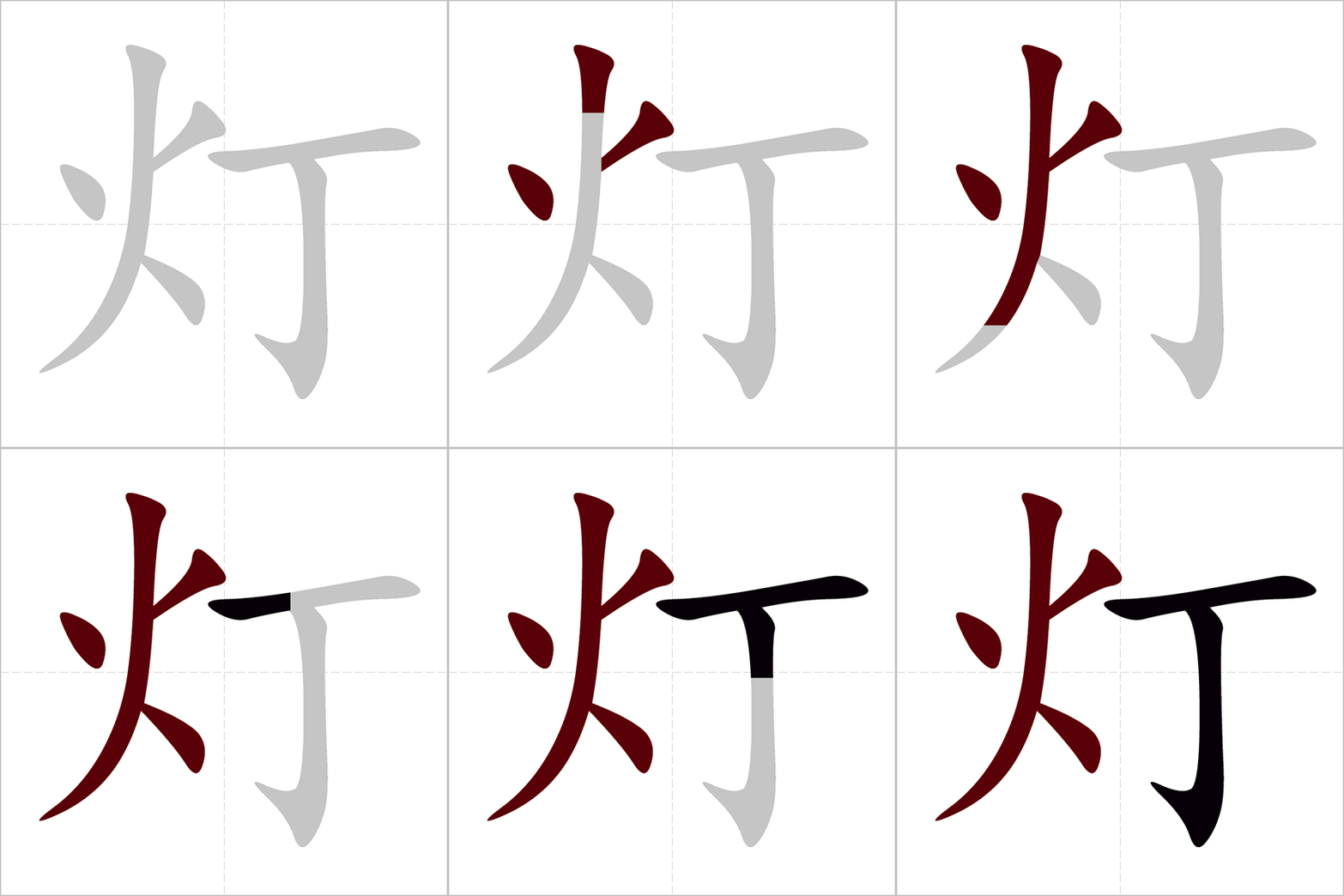
- 灯 (燈 in traditional form – dēng): This character means “lamp” or “lantern.” It depicts a fire (灬 – huǒ) within a container, symbolizing a source of light.

Combining these elements, 南瓜灯 literally means “southern gourd lamp” or “lantern made from a southern gourd.” This accurately describes the traditional jack-o’-lantern, which is made by carving a face into a hollowed-out pumpkin and placing a light inside.
The term 南瓜灯 emerged as Halloween and its associated traditions became more known in China. It provides a culturally relevant way to refer to this specific type of lantern, highlighting its connection to gourds and its function as a light source.
The term 南瓜灯 is used in various contexts related to Halloween:
- 雕刻南瓜灯 (diāokè nánguādēng): To carve a jack-o’-lantern
- 万圣节南瓜灯 (Wànshèngjié nánguādēng): Halloween jack-o’-lantern
- 点亮南瓜灯 (diǎnliàng nánguādēng): To light up a jack-o’-lantern
By understanding the original meaning of 南瓜灯, we can appreciate its literal description of this Halloween decoration. It also highlights the adaptation of language to incorporate new cultural practices and objects.

 How to write Chinese