

主意 (zhǔyi), meaning “idea” or “decision” in Chinese, has a structure that reflects the mental processes involved in forming thoughts and making choices.
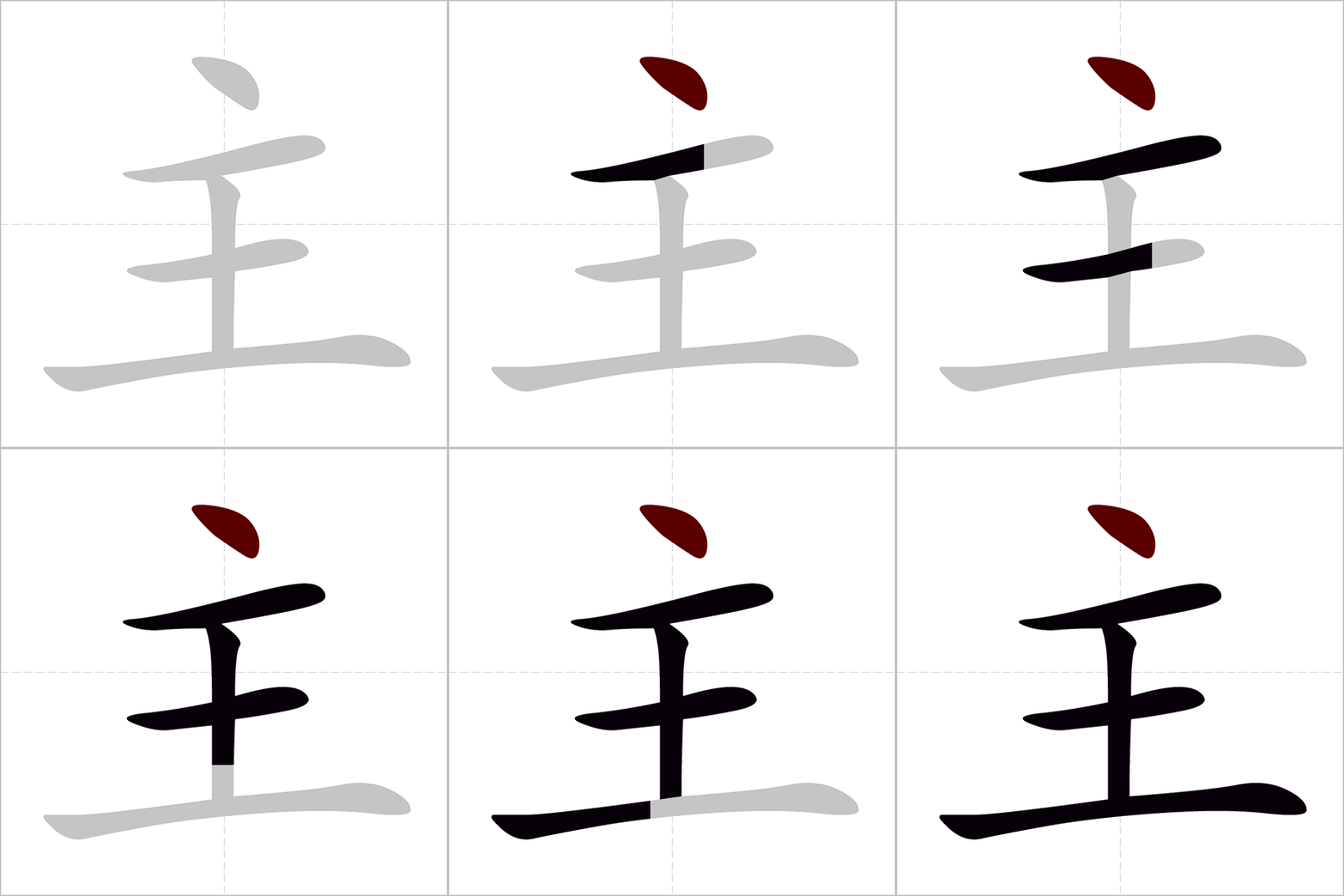
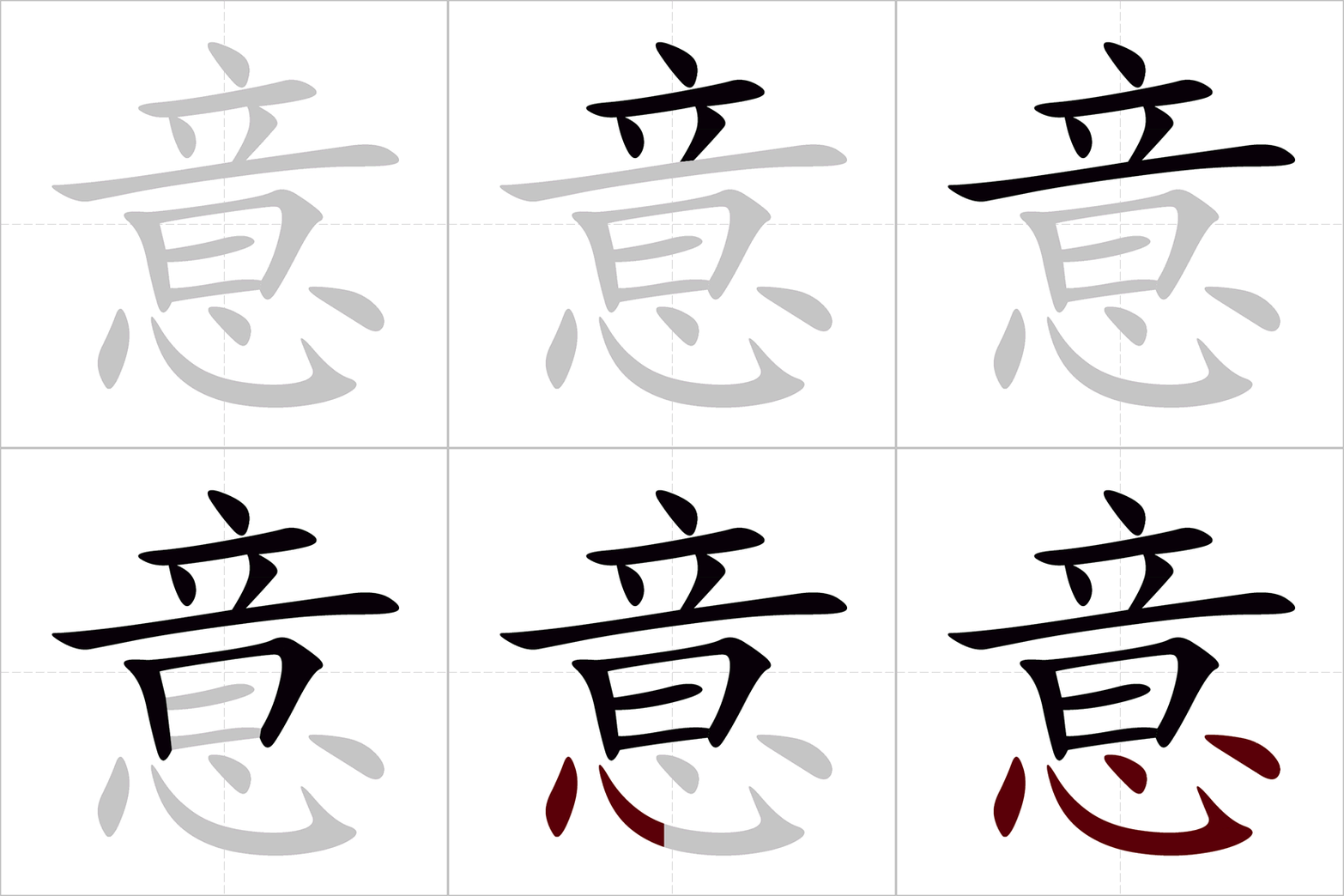
Here’s a breakdown of its components:
- 主 (zhǔ): This component, as we’ve seen before, originally meant “a lamp” or “a torch.” It symbolized a source of light, guidance, and authority. In this context, it could represent the guiding principle or the core of an idea.

- 意 (yì): This component means “thought,” “idea,” or “intention.” It originally depicted a heart (心 – xīn) and a sound (音 – yīn), symbolizing thoughts and feelings expressed through sounds or words.

Combining these elements, the original meaning of 主意 likely conveyed the idea of “a guiding thought” or “a central idea that directs one’s actions.” This emphasizes the core concept or intention behind a decision or plan.
Over time, the meaning of 主意 has evolved:
- Idea: This refers to a thought, concept, or plan.
- Decision: This implies a firm intention or resolution to do something.
- Opinion: This represents a personal view or belief.
The character 主意 is used in various contexts related to thoughts, decisions, and opinions:
- 好主意 (hǎo zhǔyi): Good idea
- 拿主意 (ná zhǔyi): To make a decision
- 改变主意 (gǎibiàn zhǔyi): To change one’s mind
By understanding the original meaning of 主意, we can appreciate its connection to guiding principles and intentions. It reflects the human capacity for thought, decision-making, and the formation of ideas that shape our actions and beliefs.

 How to write Chinese