

鬼 (guǐ), meaning “ghost” or “spirit,” is a character with a rather spooky origin that reflects ancient beliefs about the supernatural.

Here’s a breakdown of its evolution:
- Pictogram: The earliest forms of 鬼 depicted a person with a large head and a strange expression, possibly wearing a mask or with disheveled hair. This image likely represented a deceased person or a spirit, capturing the eerie and otherworldly appearance associated with ghosts.
- Phonetic component: The 田 (tián – field) component might have been added later as a phonetic component, providing a sound hint similar to the word for “ghost” (guǐ).
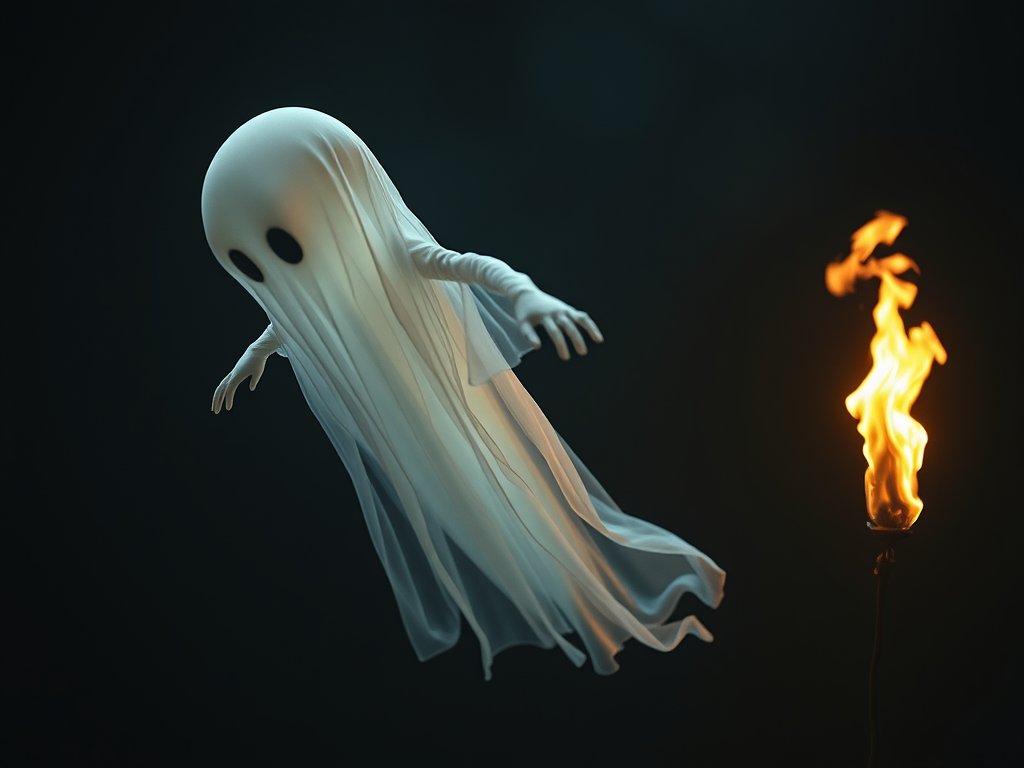
This visual representation of a ghostly figure has led to the character’s core meanings:
- Ghost: This refers to the spirit of a deceased person, often believed to linger in the world of the living.
- Spirit: This encompasses a broader range of supernatural beings, including ghosts, demons, and other entities.
- Devil/demon: This emphasizes the malevolent or mischievous nature of some spirits.
- Secret/hidden: This metaphorical meaning likely arose from the idea of ghosts being unseen or hidden from view.
The character 鬼 is used in various words and phrases related to ghosts and the supernatural:
- 鬼魂 (guǐhún): Ghost, spirit
- 鬼怪 (guǐguài): Ghost, monster
- 魔鬼 (móguǐ): Devil, demon
- 鬼鬼祟祟 (guǐguǐsuìsuì): Sneaky, furtive
The evolution of 鬼 from a pictogram of a ghostly figure to a character representing various aspects of the supernatural demonstrates the enduring human fascination with the unseen world and the mysteries of life and death. Its history reminds us of the ancient beliefs and fears associated with ghosts and spirits, which continue to shape cultural narratives and folklore today.

 How to write Chinese