

秋天 (qiūtiān) evokes the imagery of a bountiful harvest and the changing colors of leaves, and its structure reflects the characteristics of this season.
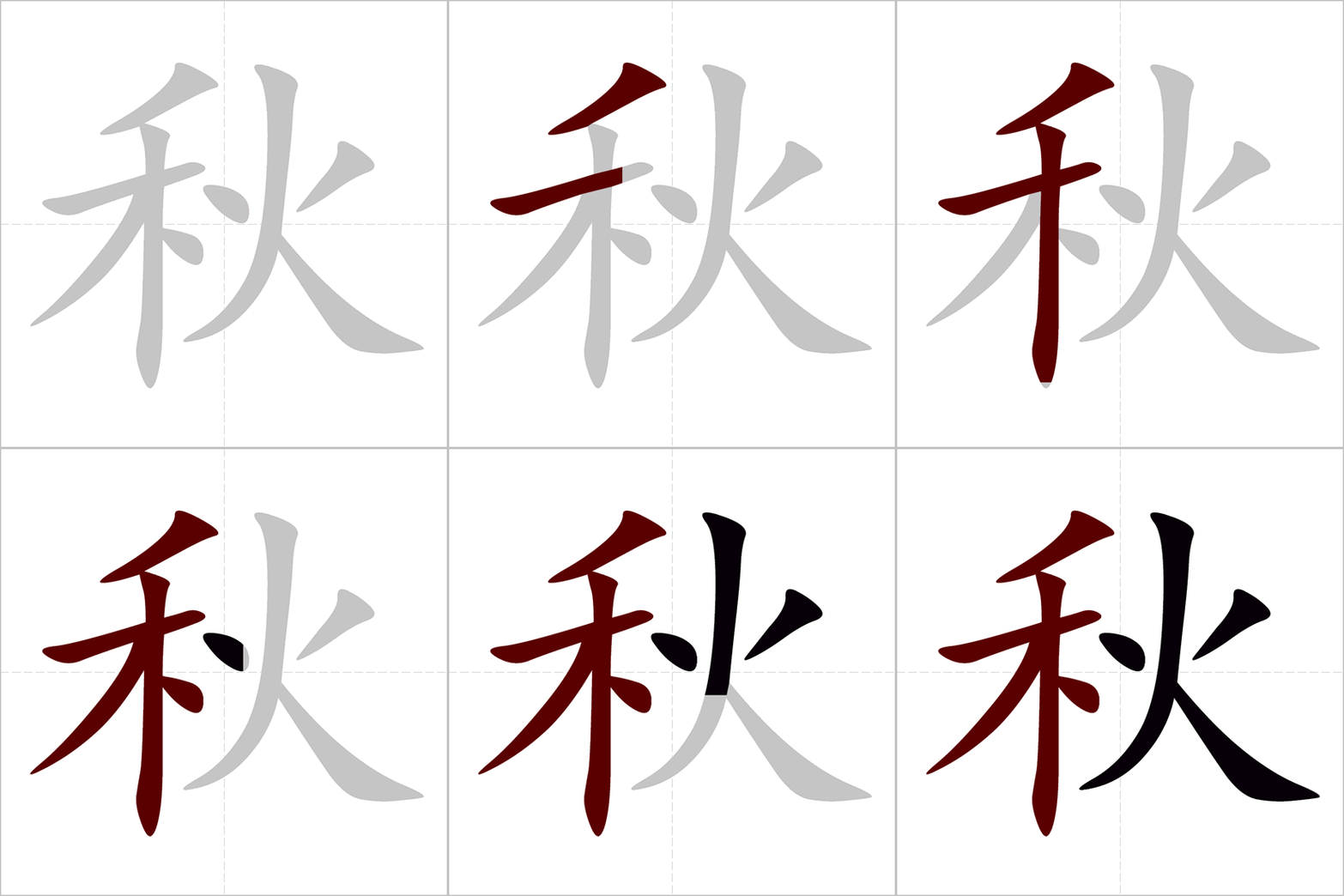
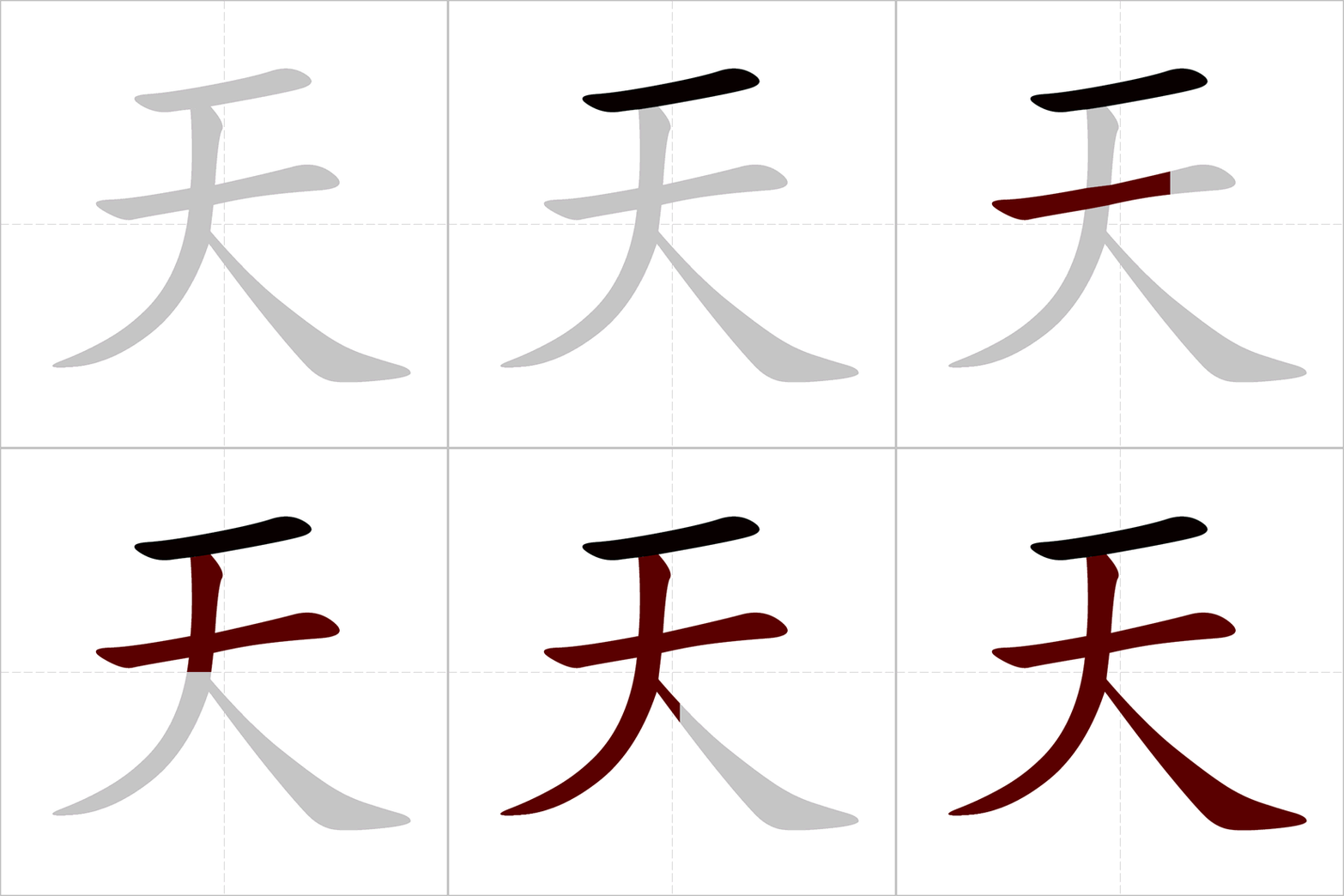
Here’s a breakdown of its components:
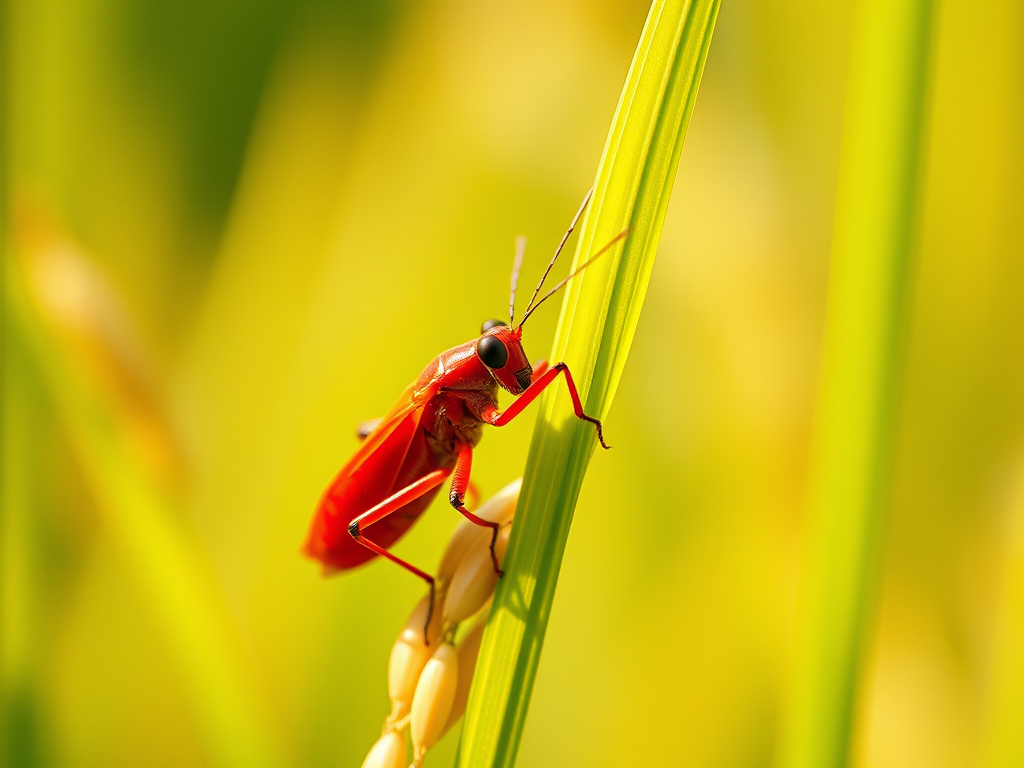
- 秋 (qiū): This character originally depicted a cricket or insect with prominent antennae. It’s believed to represent the sounds of crickets chirping, which are often associated with the autumn season. It also symbolizes the harvest, as crickets were seen as a sign of a plentiful crop.
- 天 (tiān): This component means “sky” or “heaven.” It originally depicted a person with their head raised, looking upwards towards the sky. In this context, it could represent the clear and crisp skies of autumn.

Combining these elements, 秋天 paints a picture of a season filled with the sounds of crickets and the sights of a bountiful harvest under clear skies. This reflects the association of autumn with the end of the growing season, the abundance of crops, and the transition to cooler weather.
The term 秋天 is used in various contexts related to the autumn season:
- 秋季 (qiūjì): Autumn (a more formal term)
- 中秋节 (Zhōngqiū Jié): Mid-Autumn Festival (a harvest festival celebrated in China and other East Asian countries)
- 秋高气爽 (qiūgāoqìshuǎng): Clear and refreshing autumn weather
By understanding the original meaning of 秋天, we can appreciate its connection to the natural world, the sounds of crickets, and the abundance of the harvest. It serves as a reminder of the beauty and serenity of autumn as nature prepares for the coming winter.

 How to write Chinese